Secure AVoIP Networks for Government Facilities: A Comprehensive Guide
Deploy secure Audio Visual over IP (AVoIP) networks in government facilities by understanding compliance, network segmentation, encryption, and physical security. This guide covers best practices for federal, municipal, and military AV systems.
Micha van der Stoop
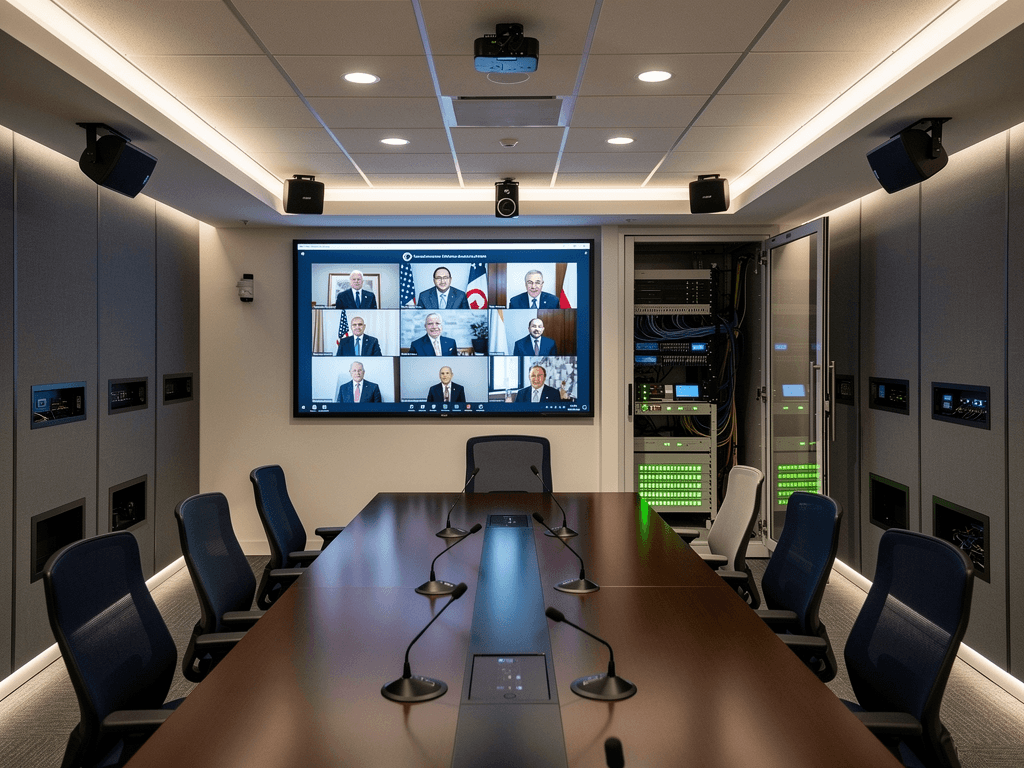
How to Set Up Secure AVoIP Networks for Government Facilities
Government facilities face unique challenges when deploying audio visual over IP solutions. Security requirements, compliance mandates, and the need for reliable communication systems demand a methodical approach that balances functionality with protection. Whether you are outfitting a municipal council chamber, a federal briefing room, or a military command center, understanding the intersection of network security and AV performance is essential for successful implementation.
This comprehensive guide walks through the critical considerations, best practices, and proven strategies for establishing secure AVoIP networks in government environments. From network segmentation to encryption protocols, we will explore how to create robust systems that meet stringent security standards while delivering exceptional audiovisual performance.
Understanding Government Security Requirements for AVoIP Deployments
Government facilities operate under strict regulatory frameworks that dictate how technology systems must be designed, implemented, and maintained. The Federal Information Security Management Act (FISMA), National Institute of Standards and Technology (NIST) guidelines, and agency-specific security protocols all influence AVoIP network architecture decisions. Before selecting any equipment or designing network topologies, consultants must thoroughly understand which compliance frameworks apply to the specific installation.
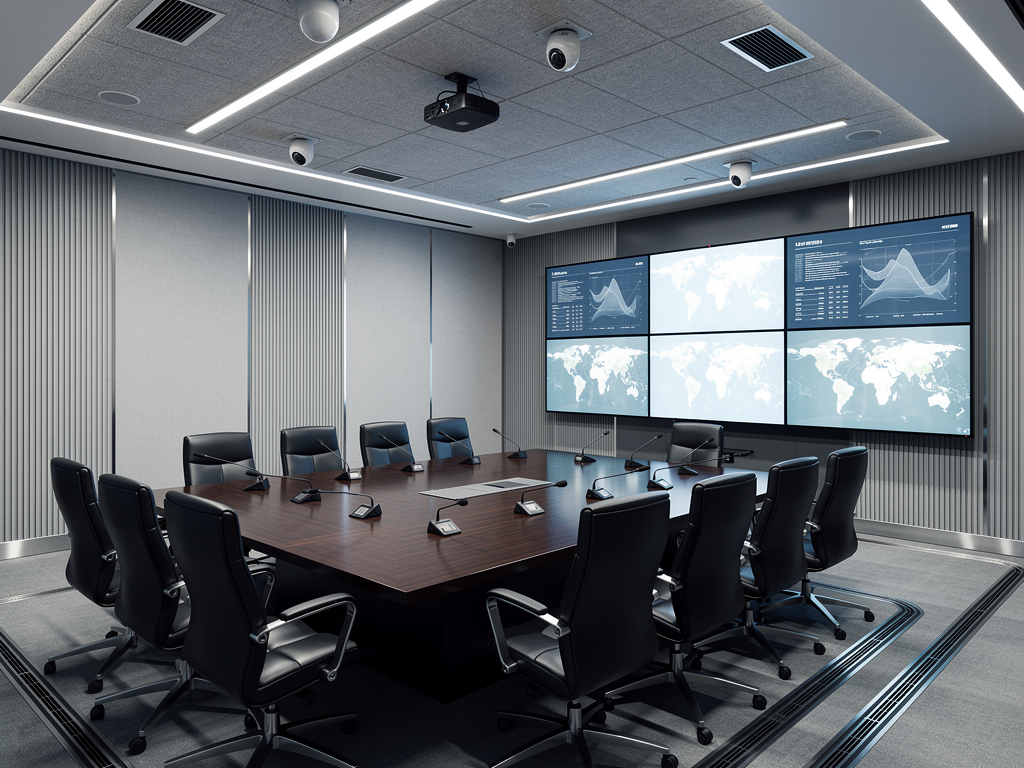
Classification levels significantly impact system design. Facilities handling classified information require air-gapped networks, specialized encryption, and physical security measures that exceed standard commercial installations. Even unclassified government networks demand enhanced protection against cyber threats, unauthorized access, and data interception. Understanding these requirements early in the planning phase prevents costly redesigns and ensures smooth certification processes.
Risk assessment forms the foundation of any secure AVoIP deployment. Identifying potential threat vectors, evaluating the sensitivity of transmitted content, and determining acceptable risk levels guide equipment selection and network architecture decisions. Government IT security teams should be engaged from project inception, as their approval is typically required before any network-connected devices can be deployed.
Network Segmentation Strategies for Government AV Systems
Proper network segmentation represents one of the most critical security measures for government AVoIP installations. Isolating AV traffic from general network traffic reduces attack surfaces and contains potential breaches. Virtual Local Area Networks (VLANs) provide logical separation, while physical network separation offers the highest security for sensitive environments.
Creating dedicated AV VLANs allows administrators to apply specific security policies, quality of service rules, and access controls tailored to audiovisual traffic patterns. This approach also simplifies troubleshooting and performance optimization since AV traffic can be monitored independently from other network activities. Products from manufacturers like TiGHT AV and Visionary AV are designed with VLAN tagging capabilities that facilitate seamless integration into segmented network environments.

Implementing 802.1X port-based authentication adds another security layer by requiring devices to authenticate before gaining network access. This prevents unauthorized equipment from connecting to AV networks, even if physical access to network ports is obtained. Many enterprise-grade AVoIP encoders and decoders support 802.1X authentication natively, making implementation straightforward when using compatible equipment.
Firewall rules between network segments should follow the principle of least privilege, allowing only necessary traffic to pass between zones. For government facilities, this often means restricting AV control traffic to specific management workstations and limiting multicast streams to designated receiver locations. Detailed traffic flow documentation supports both security audits and ongoing network management.
Encryption and Authentication Protocols for Secure AV Transmission
Encryption protects audiovisual content during transmission, preventing eavesdropping and ensuring content integrity. Government facilities should prioritize AVoIP solutions that support strong encryption standards such as AES-128 or AES-256. These encryption levels meet most government security requirements and provide robust protection against unauthorized content access.
Transport Layer Security (TLS) should be enabled for all control and management communications. This includes web-based administration interfaces, API connections, and control system integrations. Self-signed certificates may suffice for isolated networks, but government deployments typically require certificates issued by approved certificate authorities to maintain chain of trust compliance.
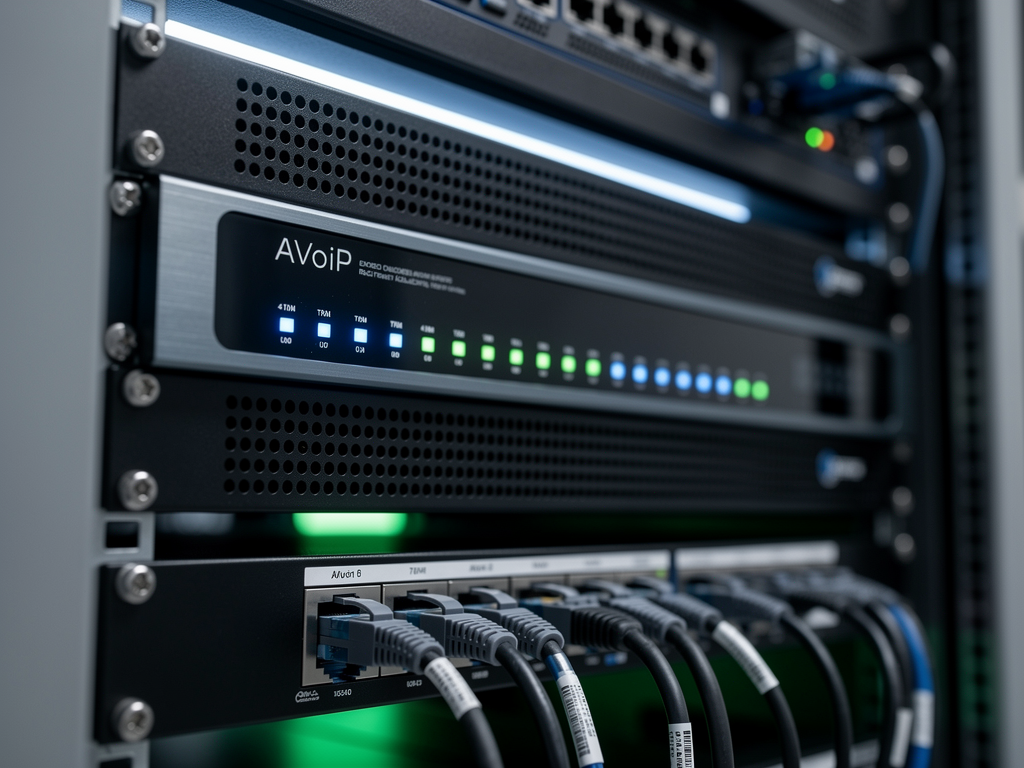
High Dynamic Range Content Protection (HDCP) compliance presents unique challenges in government environments. While HDCP protects copyrighted content, some government applications require the ability to capture and record all displayed content for archival or legal purposes. Understanding when HDCP applies and selecting equipment that appropriately handles these scenarios prevents operational complications. Manufacturers like BZBGEAR and ADTECHNO offer solutions with configurable HDCP handling that can be tailored to specific government requirements.
Multi-factor authentication for system administration provides essential protection against credential theft and unauthorized configuration changes. Integrating AVoIP management systems with government identity management infrastructure, such as Common Access Card (CAC) authentication, streamlines user management while maintaining security standards.
Physical Security Considerations for AVoIP Infrastructure
Network security extends beyond digital measures to encompass physical protection of AVoIP equipment. Government facilities must secure network switches, encoders, decoders, and control systems against physical tampering and unauthorized access. Lockable equipment racks, secured telecommunications rooms, and tamper-evident seals all contribute to comprehensive security postures.
Cable infrastructure requires similar attention. Fiber optic cabling offers inherent security advantages since it cannot be passively tapped like copper cabling. For highly sensitive installations, fiber optic AVoIP solutions eliminate electromagnetic emanation concerns and provide physical tamper evidence. Many modern AVoIP platforms support fiber connectivity options that enable secure long-distance transmission within government campuses.
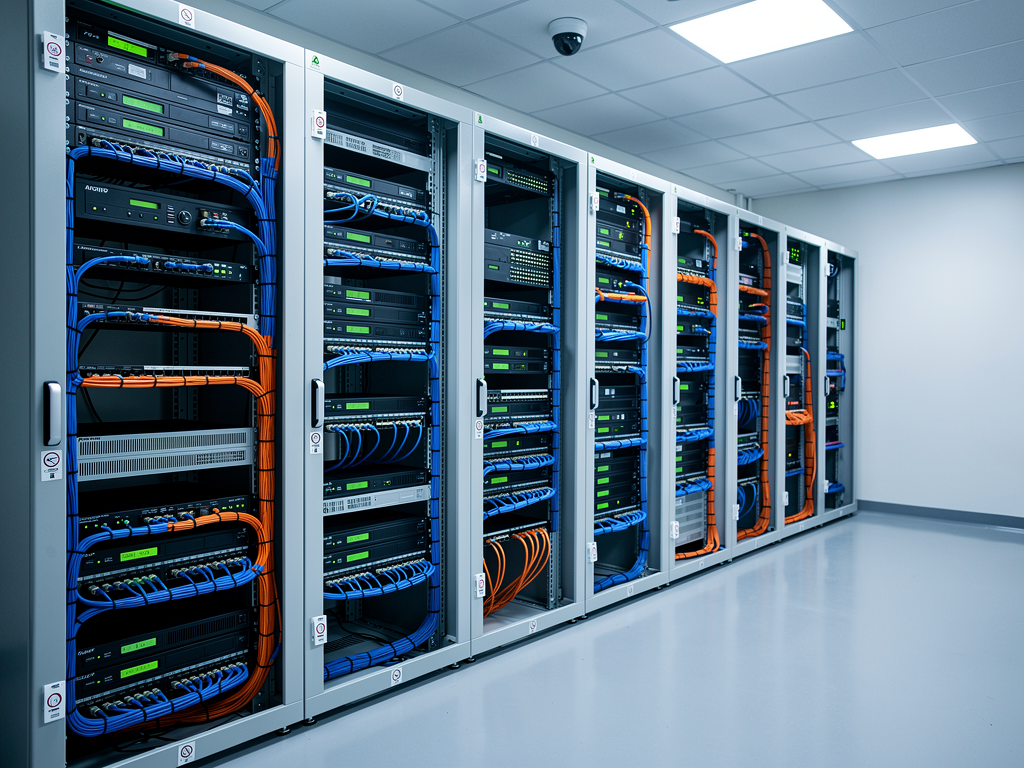
Environmental monitoring systems should track temperature, humidity, and physical access to equipment locations. Integrating these systems with facility security operations centers enables rapid response to potential security events. Many government facilities require continuous monitoring and logging of all access to technical spaces, making automated monitoring systems essential components of compliant installations.
Endpoint security for displays and input devices deserves careful consideration. USB ports on displays and touch panels can serve as attack vectors if not properly secured. Disabling unused ports, implementing USB device whitelisting, and using secure mounting hardware all reduce physical security risks at the network edge.
Selecting AVoIP Equipment for Government Applications
Equipment selection for government AVoIP deployments must balance performance requirements with security capabilities. Products should support required encryption standards, offer robust authentication options, and provide comprehensive logging for security audits. Evaluating manufacturer security practices, including vulnerability disclosure policies and firmware update procedures, helps ensure long-term system security.
The AVoIP Solutions Directory provides comprehensive comparison tools for evaluating encoder and decoder options across multiple manufacturers. When assessing products for government use, prioritize units that offer secure boot processes, signed firmware updates, and detailed security documentation. Manufacturers like Craltech and Netvio have developed products specifically designed for security-conscious environments, incorporating features that simplify compliance with government standards.
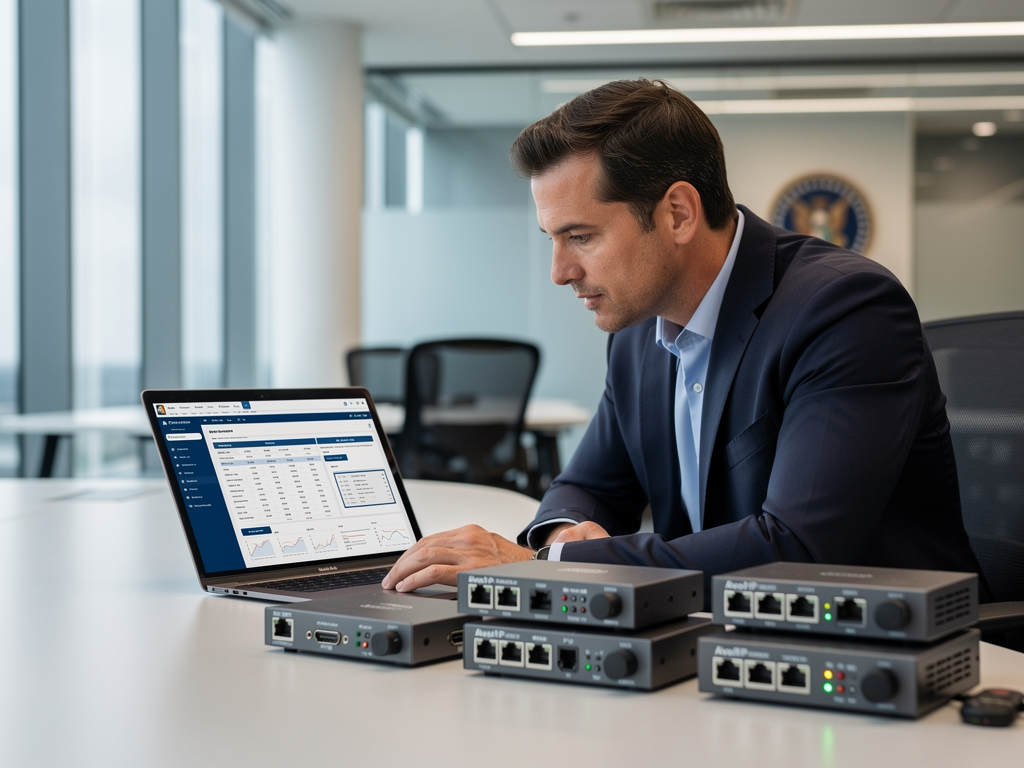
Supply chain security has become increasingly important for government technology procurement. Understanding where equipment is manufactured, how it is shipped, and whether it has been tampered with before installation all factor into procurement decisions. Some agencies require equipment from specific countries of origin or manufacturers with particular security certifications. Documenting the complete supply chain supports compliance verification and audit requirements.
Interoperability testing before deployment prevents integration issues and security gaps. Testing AVoIP equipment with existing network infrastructure, security tools, and management systems in a lab environment identifies compatibility problems before they impact production systems. This approach also allows security teams to evaluate equipment behavior and validate that security controls function as expected.
Ongoing Security Management and Compliance Maintenance
Deploying secure AVoIP infrastructure represents just the beginning of the security journey. Ongoing management, monitoring, and maintenance ensure systems remain secure throughout their operational lifecycle. Establishing clear procedures for firmware updates, security patch deployment, and configuration management maintains security posture over time.
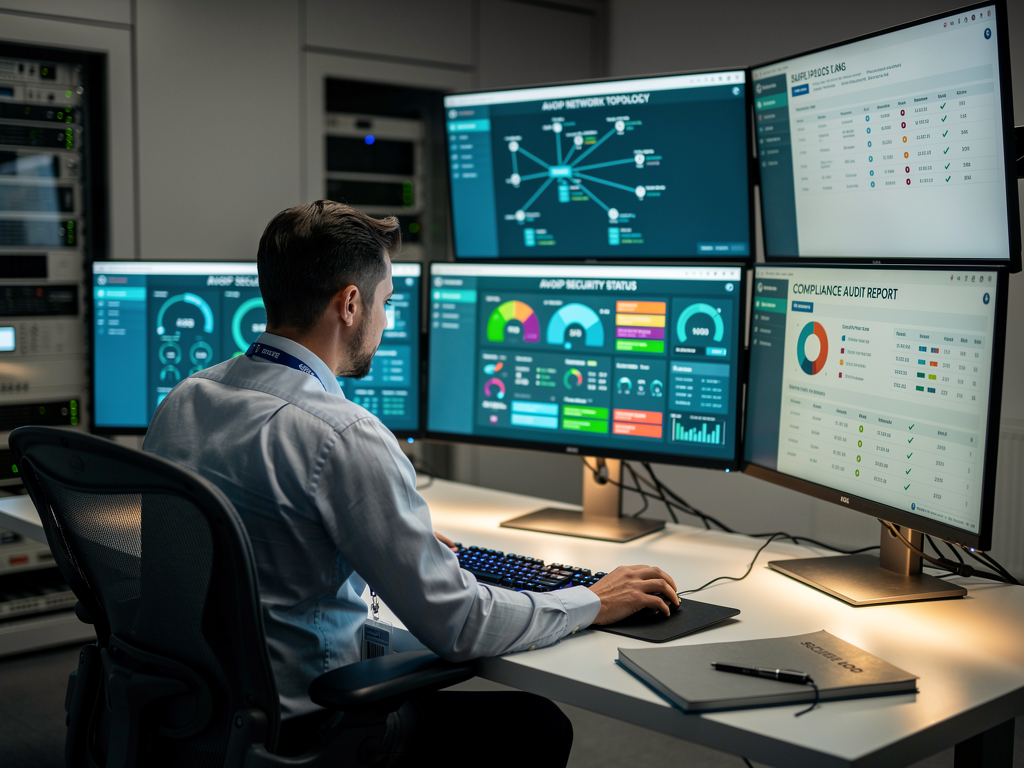
Regular security assessments and penetration testing identify vulnerabilities before adversaries can exploit them. Government facilities typically require annual security assessments at minimum, with more frequent testing for high-security environments. Including AVoIP systems in these assessments ensures they receive appropriate security scrutiny alongside other network infrastructure.
Incident response planning should specifically address AVoIP system compromises. Procedures for isolating affected equipment, preserving forensic evidence, and restoring service help minimize impact from security events. Training operations staff on these procedures ensures rapid, effective response when incidents occur.
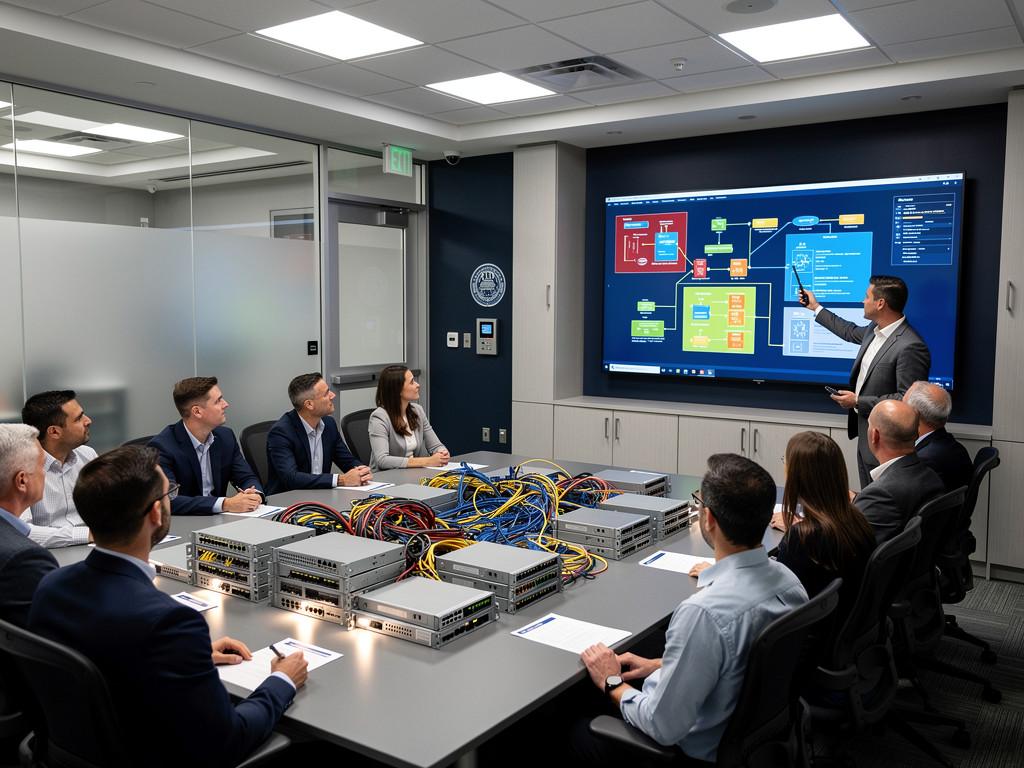
Documentation requirements for government systems extend beyond typical commercial installations. Maintaining current network diagrams, configuration baselines, and security control documentation supports both ongoing operations and compliance audits. Many government frameworks require specific documentation formats and regular updates to maintain authorization to operate.
Cost Considerations and Budget Planning for Secure Deployments
Secure AVoIP deployments for government facilities typically require larger budgets than equivalent commercial installations. Additional costs arise from security-specific equipment features, compliance documentation, testing requirements, and ongoing security management. Planning for these costs from project inception prevents budget shortfalls that could compromise security or delay deployment.

Lifecycle cost analysis should include firmware update and security patch management, periodic security assessments, and eventual equipment replacement. Government procurement cycles often span multiple years, making accurate long-term cost projections essential for budget justification. Selecting equipment from manufacturers with strong long-term support commitments, such as Visionary AV and TiGHT AV, reduces lifecycle costs by extending useful equipment life.
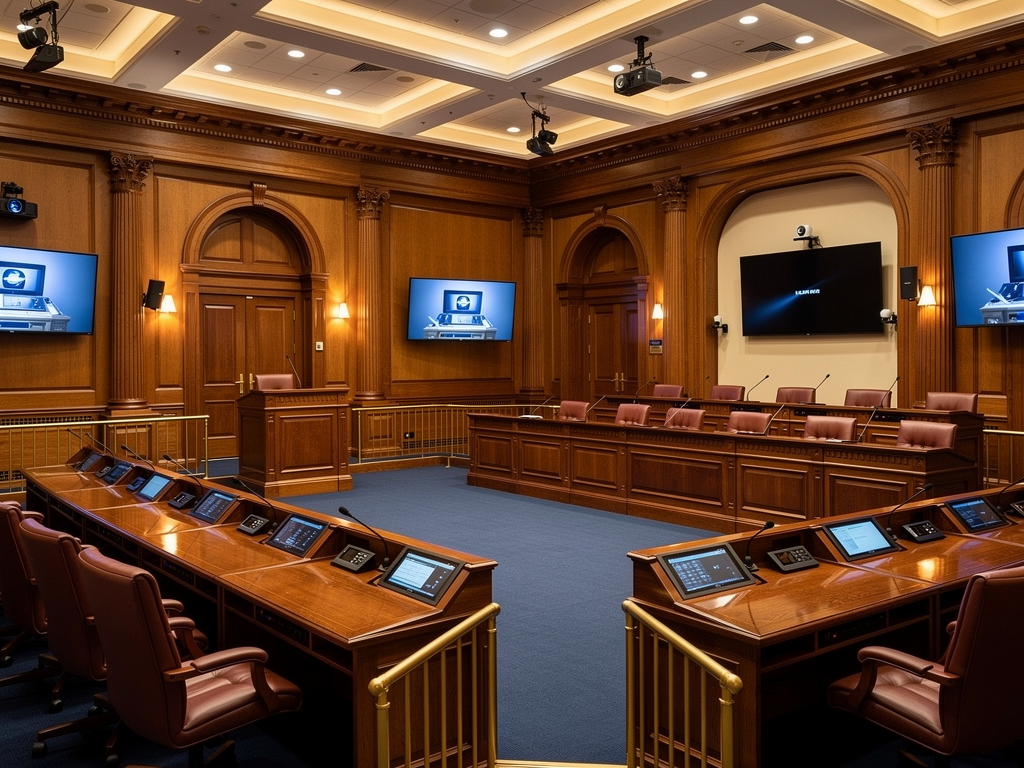
Phased deployment approaches can spread costs across multiple budget cycles while progressively improving security posture. Starting with the most sensitive spaces and expanding to lower-security areas over time allows organizations to learn from initial deployments and refine approaches before broader rollout.

Successful secure AVoIP deployments in government facilities require careful planning, appropriate equipment selection, and ongoing commitment to security management. By following established best practices and engaging security stakeholders throughout the project lifecycle, AV consultants can deliver systems that meet both operational requirements and stringent government security standards. The investment in proper security measures protects sensitive communications while enabling the collaboration and information sharing that modern government operations demand.
Comments(0)