Scaling Enterprise AVoIP Infrastructure: A Comprehensive Guide
Discover how to successfully scale Audio Video over IP (AVoIP) infrastructure in enterprise environments. This guide covers network requirements, protocol selection, centralized management, and phased deployment strategies for large-scale AV solutions.
Micha van der Stoop
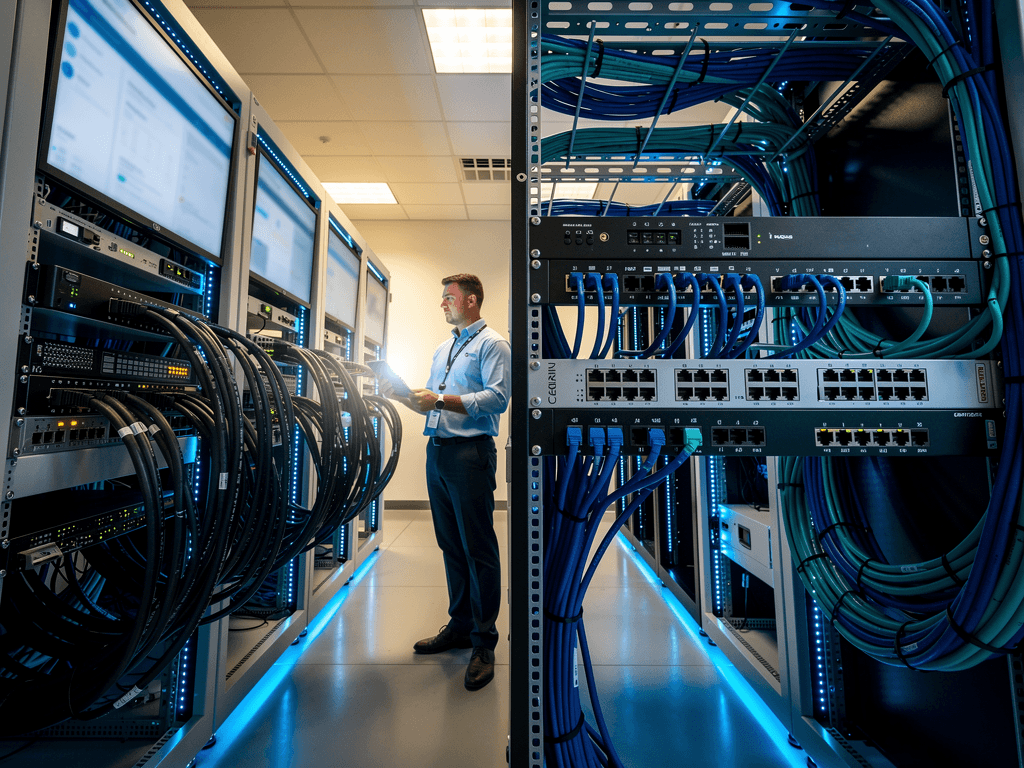
Scaling AVoIP Infrastructure for Enterprise Deployments: A Comprehensive Guide
Enterprise organizations face unique challenges when deploying Audio Video over IP solutions across large facilities. Unlike smaller installations where a handful of encoders and decoders suffice, enterprise environments demand careful planning around network architecture, management complexity, and long-term scalability. The transition from traditional matrix switching to IP-based distribution represents both an opportunity and a significant technical undertaking that requires strategic thinking from the outset.
This guide explores the critical considerations for scaling AVoIP infrastructure in enterprise settings, drawing from real-world deployment scenarios and industry best practices. Whether you are planning a corporate headquarters installation, a university campus rollout, or a healthcare facility upgrade, understanding these principles will help ensure your investment delivers reliable performance for years to come.
Understanding Enterprise-Scale Network Requirements
The foundation of any successful enterprise AVoIP deployment rests on network infrastructure. Unlike consumer-grade streaming applications, professional AV over IP solutions demand consistent, low-latency performance across potentially hundreds of endpoints. This requirement fundamentally shapes how you must approach network design from day one.

Bandwidth calculations become critical at scale. A single 4K60 video stream can consume anywhere from 8 Mbps with aggressive compression to over 10 Gbps for uncompressed formats. When multiplying these figures across dozens or hundreds of simultaneous streams, the aggregate bandwidth requirements quickly exceed what many existing networks can handle. Organizations must evaluate their current switching capacity and often implement dedicated AV VLANs with appropriate quality of service configurations.
Multicast routing presents another consideration that separates enterprise deployments from smaller installations. Protocols like IGMP snooping become essential for preventing network flooding, and proper multicast group management ensures that streams reach only their intended destinations. Products from manufacturers like TiGHT AV and Visionary Solutions typically include robust multicast support, but the network switches themselves must be configured correctly to take advantage of these capabilities.
Selecting the Right Protocol for Your Scale
Enterprise deployments benefit from standardized protocols that ensure interoperability and future-proofing. The AVoIP market offers several competing standards, each with distinct advantages for large-scale implementations. Understanding these differences helps organizations make informed decisions that align with their specific requirements.
Dante AV has emerged as a popular choice for enterprise environments, particularly those with existing Dante audio infrastructure. The protocol offers excellent discovery mechanisms and centralized management tools that simplify administration across large device counts. NDI provides another compelling option, especially for organizations prioritizing software-based workflows and integration with production environments.

SDVoE represents the premium tier for applications demanding zero-frame latency and uncompressed video quality. While the infrastructure costs run higher due to 10GbE requirements, organizations in broadcast, medical imaging, or financial trading environments often find this investment justified. IPMX and JPEG2000 solutions occupy the middle ground, offering excellent quality with more manageable bandwidth requirements.
The key insight for enterprise planners is that protocol selection should be driven by use cases rather than marketing claims. A corporate campus with primarily signage and presentation applications has fundamentally different needs than a broadcast facility requiring frame-accurate switching. Manufacturers like BZBGEAR and Craltech offer products across multiple protocol families, allowing organizations to match solutions to specific zones within their facilities.
Centralized Management and Control Architecture
Managing hundreds of AVoIP endpoints without proper control infrastructure quickly becomes unsustainable. Enterprise deployments require centralized management platforms that provide visibility into system health, enable bulk configuration changes, and integrate with existing IT management tools. This layer often determines whether an installation succeeds operationally over the long term.
Modern AVoIP controllers have evolved significantly beyond simple matrix switching interfaces. Platforms now offer REST APIs for integration with building management systems, SNMP support for IT monitoring tools, and web-based interfaces accessible from anywhere on the corporate network. These capabilities transform AV infrastructure from isolated systems into fully integrated components of the enterprise technology stack.
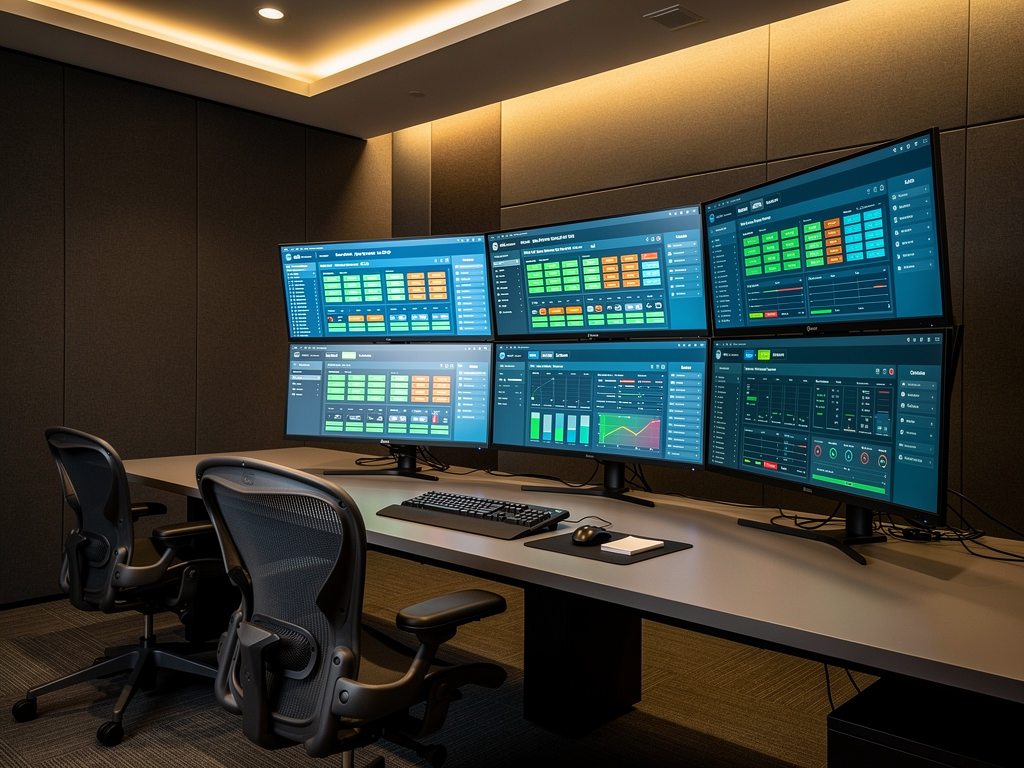
Redundancy considerations become paramount at enterprise scale. Single points of failure in control systems can render entire installations inoperable, making high-availability configurations essential for mission-critical environments. Leading manufacturers including Netvio and ADTECHNO design their controllers with failover capabilities, but proper implementation requires careful planning around database synchronization and network redundancy.
User access control represents another enterprise requirement often overlooked in smaller deployments. Role-based permissions ensure that facility managers can control their local zones without accessing sensitive areas, while IT administrators maintain oversight of the entire system. Integration with Active Directory or LDAP simplifies user management and ensures consistent security policies across the organization.
Phased Deployment Strategies and Migration Planning
Few organizations can afford the disruption of replacing their entire AV infrastructure simultaneously. Successful enterprise deployments typically follow phased approaches that allow for learning, adjustment, and budget distribution over multiple fiscal periods. This strategy also reduces risk by validating designs in limited areas before broader rollout.
The pilot phase should target a representative sample of use cases rather than the simplest installations. Including challenging scenarios like long cable runs, high-traffic network segments, or demanding content types during initial deployment reveals potential issues before they affect the entire organization. Documentation from these pilots becomes invaluable for training installation teams and establishing configuration standards.

Legacy system integration deserves particular attention during migration planning. Most enterprises have existing AV equipment that must coexist with new AVoIP infrastructure during transition periods. Gateway devices that bridge traditional HDMI or SDI sources to IP networks enable gradual migration without forcing immediate replacement of functional equipment. Products from manufacturers specializing in hybrid solutions can significantly ease these transitions.
Training programs must scale alongside infrastructure deployment. IT staff accustomed to traditional networking may need education on AV-specific concepts like genlock, color spaces, and audio embedding. Conversely, AV technicians often require networking fundamentals training to troubleshoot IP-based systems effectively. Investing in comprehensive training during early deployment phases pays dividends as the installation expands.
Cost Optimization and Total Ownership Considerations
Enterprise AVoIP deployments involve significant capital expenditure, making cost optimization essential for project approval and long-term sustainability. However, focusing solely on initial purchase prices often leads to poor decisions that increase total cost of ownership over the system's lifecycle.
Network infrastructure investments frequently represent the largest cost component, particularly for organizations requiring dedicated AV networks. Evaluating whether existing network capacity can accommodate AVoIP traffic, potentially with upgrades to specific segments, often proves more economical than building entirely separate infrastructure. Careful traffic analysis and protocol selection can dramatically reduce these requirements.

Licensing models vary significantly across manufacturers and platforms. Some vendors charge per-endpoint fees that scale linearly with deployment size, while others offer site licenses that become more economical at enterprise scale. Understanding these models before committing to a platform prevents budget surprises during expansion phases. Manufacturers like Visionary Solutions and TiGHT AV often provide flexible licensing options suited to enterprise requirements.
Ongoing support and maintenance costs deserve equal attention during planning. Enterprise deployments typically require support agreements that guarantee response times and provide access to firmware updates. Evaluating vendor stability, support infrastructure, and long-term product roadmaps helps ensure that chosen solutions will remain viable throughout their expected service life.
Security Considerations for Enterprise AVoIP
Connecting AV systems to IP networks introduces security considerations that traditional matrix-based installations never faced. Enterprise security teams increasingly scrutinize AVoIP deployments, and rightfully so, as these systems can potentially expose sensitive content or provide attack vectors into corporate networks.

Network segmentation provides the first line of defense. Isolating AVoIP traffic on dedicated VLANs with controlled access points limits potential exposure while enabling necessary integration with corporate systems. Firewall rules should permit only required traffic between AV and general-purpose network segments, with logging enabled for security monitoring.
Encryption capabilities vary across AVoIP protocols and products. For environments handling sensitive content, such as executive boardrooms or research facilities, selecting solutions with robust encryption becomes mandatory. Authentication mechanisms for device access and control interfaces prevent unauthorized manipulation of AV routing and configurations.
Future-Proofing Your Enterprise Investment
Technology evolution in the AVoIP space continues rapidly, with new protocols, higher resolutions, and enhanced features emerging regularly. Enterprise deployments must balance current requirements against future capabilities to maximize investment longevity.

Selecting products with firmware upgrade paths allows organizations to adopt new features without hardware replacement. Manufacturers committed to ongoing development, including ADTECHNO and Craltech, regularly release updates that enhance functionality and address emerging requirements. Evaluating vendor track records for supporting legacy products provides insight into likely future support.
Standards-based approaches inherently offer better future-proofing than proprietary solutions. While proprietary systems may offer compelling features today, they risk obsolescence if vendors change direction or exit the market. Open standards like NDI, Dante AV, and IPMX benefit from multi-vendor ecosystems that ensure continued development and competitive pricing.
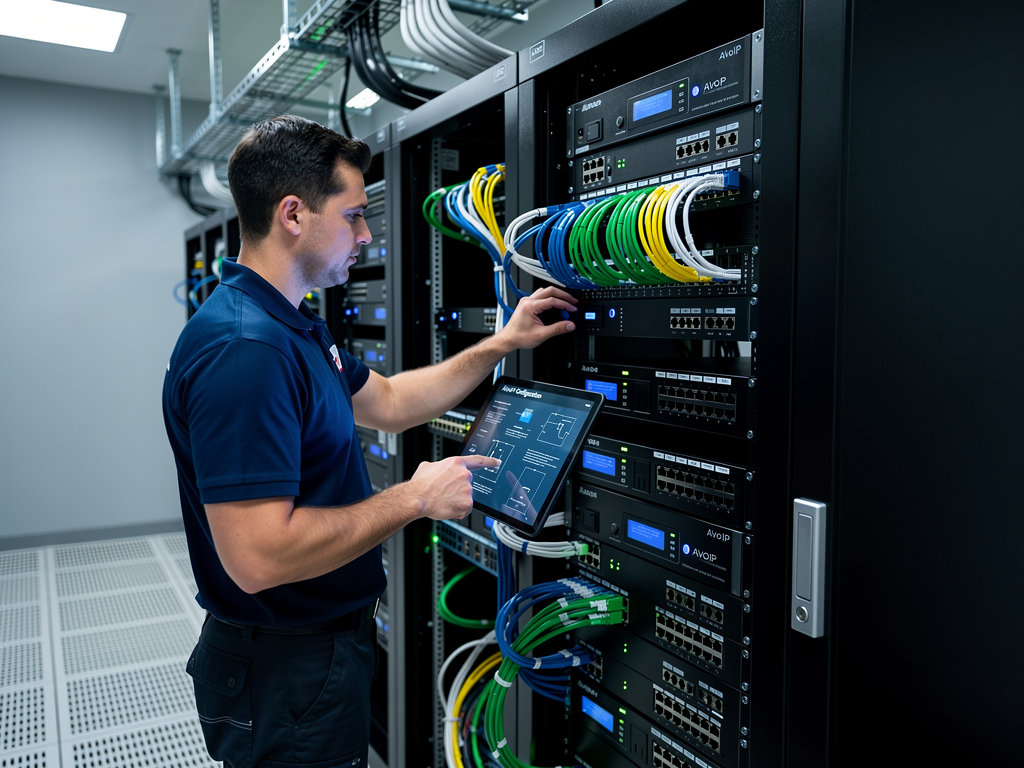
Infrastructure headroom provides flexibility for future expansion. Specifying network switches with additional port capacity, installing spare fiber runs during construction, and selecting controllers that support more endpoints than currently needed all reduce future upgrade costs. These investments typically represent small percentages of total project budgets while providing significant long-term value.
Conclusion: Building for Enterprise Success
Scaling AVoIP infrastructure for enterprise deployments requires balancing technical requirements, operational considerations, and financial constraints. Success depends on thorough planning, appropriate protocol and product selection, robust network architecture, and comprehensive management systems.
Organizations that invest time in understanding their specific requirements, evaluating solutions from reputable manufacturers, and planning for phased implementation position themselves for successful outcomes. The AVoIP Solutions Directory provides resources for comparing products and identifying manufacturers whose offerings align with enterprise requirements.

As AVoIP technology continues maturing, enterprise deployments will become increasingly common across industries. Organizations that develop internal expertise and establish scalable infrastructure today will be well-positioned to leverage future innovations while maintaining reliable, high-quality AV distribution across their facilities.
Comments(0)