Mastering Video Wall Integration with AVoIP: A Complete Guide
Transform your visual displays with AVoIP video wall integration. This guide covers architecture, network requirements, encoder/decoder selection, and content management for stunning, scalable installations.
Micha van der Stoop
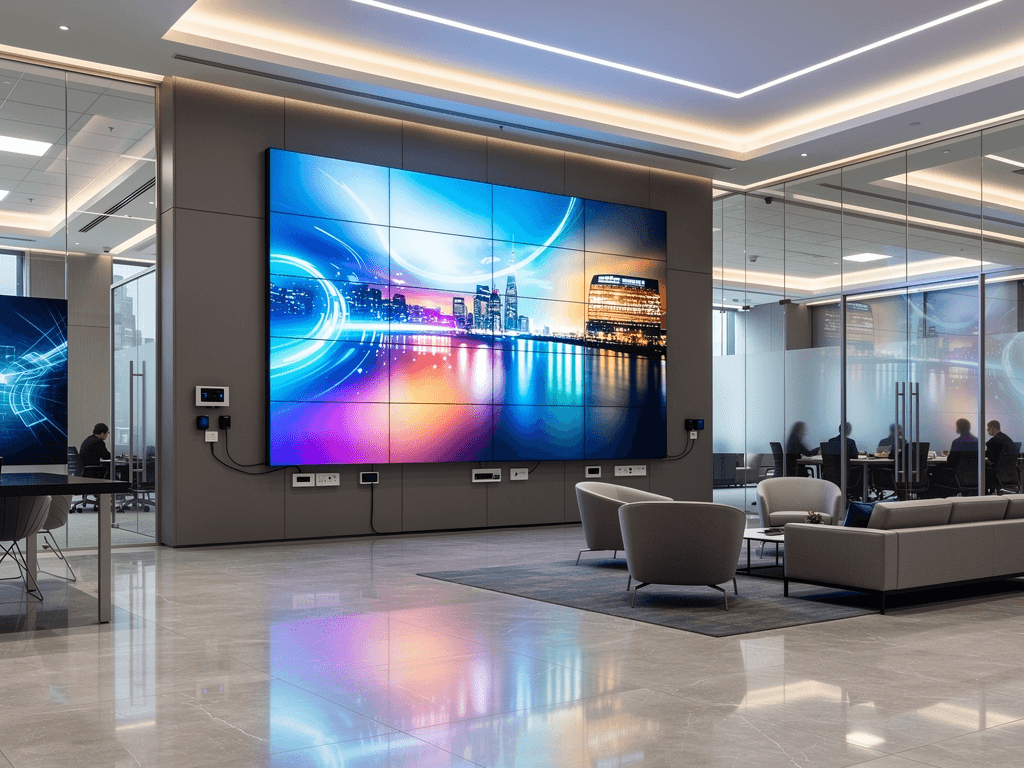
Mastering Video Wall Integration with AVoIP: A Complete Guide to Stunning Visual Displays
Video walls have transformed from luxury installations reserved for broadcast studios into essential communication tools across corporate lobbies, control rooms, retail environments, and educational institutions. The convergence of AV over IP technology with video wall systems has revolutionized how organizations design, deploy, and manage these impressive visual displays. Understanding the intricacies of video wall integration using AVoIP solutions enables system designers to create flexible, scalable installations that deliver exceptional visual impact while maintaining manageable infrastructure costs.
Traditional video wall systems relied heavily on proprietary matrix switchers and dedicated cabling, creating rigid architectures that proved difficult to expand or modify. AVoIP technology fundamentally changes this paradigm by leveraging standard network infrastructure to distribute video content across multiple displays. This approach offers unprecedented flexibility in system design while reducing the complexity and expense associated with traditional point-to-point installations.
Understanding Video Wall Architecture in AVoIP Environments
Modern video wall integration with AVoIP requires a comprehensive understanding of how encoders, decoders, and network infrastructure work together to create seamless visual experiences. Each display in a video wall configuration typically receives its signal from a dedicated decoder, which pulls content from one or more encoders connected to source devices. This distributed architecture allows content to originate from virtually anywhere on the network, providing remarkable flexibility in system design.
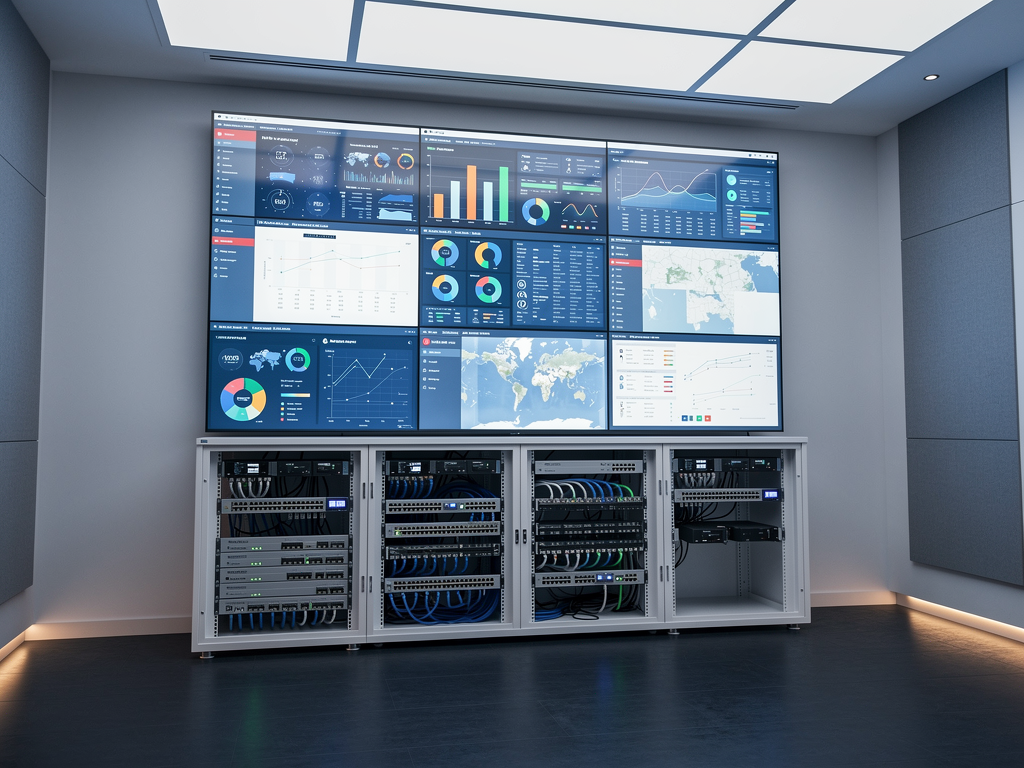
The key to successful video wall implementation lies in proper synchronization between decoders. When displaying a single image across multiple screens, each decoder must render its portion of the content in perfect alignment with adjacent units. Leading manufacturers like TiGHT AV and BZBGEAR have developed sophisticated synchronization protocols that ensure frame-accurate playback across all displays in the array. These systems typically utilize genlock functionality or network-based timing protocols to maintain visual coherence.
Video wall processors and multiviewers play crucial roles in content management for these installations. While individual decoders handle signal distribution, dedicated video wall controllers manage the overall canvas, determining how content appears across the entire display surface. Some AVoIP solutions integrate video wall processing directly into the decoder hardware, simplifying system architecture and reducing the number of components required.
Network Infrastructure Requirements for Video Wall Systems
Successful video wall deployments demand robust network infrastructure capable of handling substantial bandwidth requirements while maintaining low latency. A typical 4K video stream requires approximately 8 to 18 Gbps of bandwidth depending on the compression codec employed. When multiple streams converge on a video wall installation, network capacity becomes a critical consideration that cannot be overlooked during the planning phase.
IGMP snooping and multicast routing form the backbone of efficient AVoIP video wall systems. Rather than sending individual unicast streams to each decoder, multicast distribution allows a single stream to serve multiple destinations simultaneously. This approach dramatically reduces bandwidth consumption on the network backbone, particularly in large-scale installations where the same content might appear on numerous displays throughout a facility.
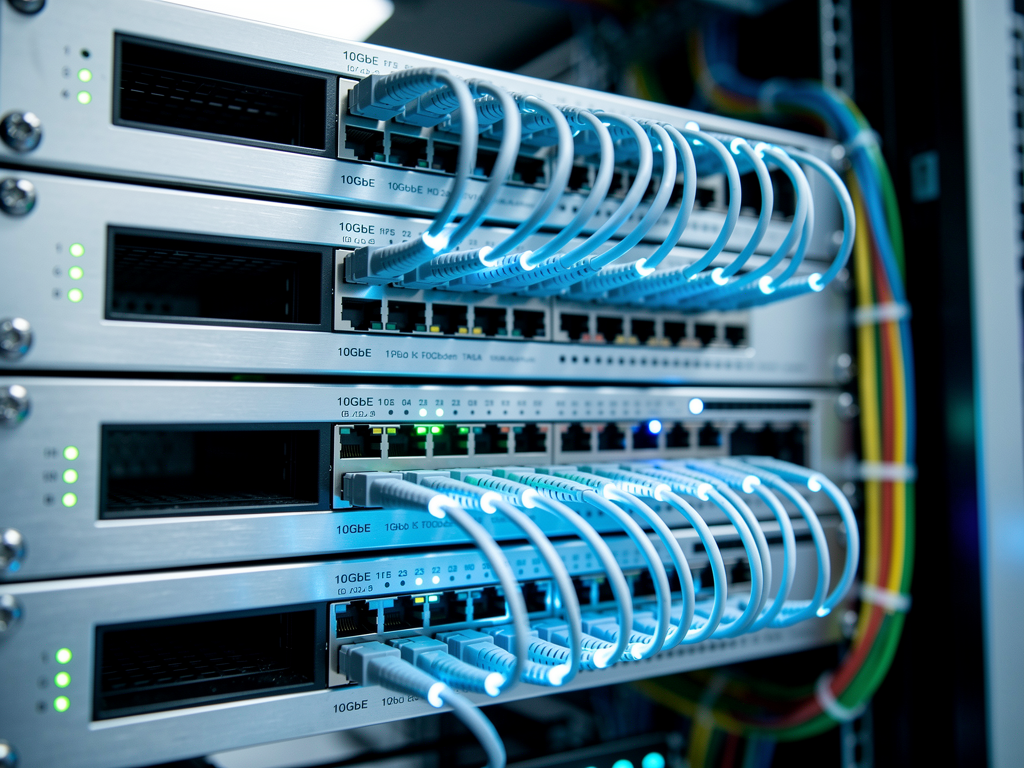
Quality of Service configurations ensure video traffic receives priority treatment across the network. Implementing proper QoS policies prevents network congestion from affecting video playback quality, which proves especially important in environments where AVoIP shares infrastructure with other enterprise applications. Most professional installations dedicate VLANs specifically for AV traffic, providing logical separation from general network operations while maintaining the flexibility of converged infrastructure.
Network switch selection significantly impacts video wall performance. Managed switches with sufficient backplane capacity, low-latency forwarding, and comprehensive multicast support form the foundation of reliable installations. Products from manufacturers like Visionary AV offer compatibility with a wide range of network equipment, though careful verification of switch capabilities remains essential during the design phase.
Encoder and Decoder Selection for Video Wall Applications
Choosing appropriate encoders and decoders for video wall applications requires careful consideration of resolution requirements, compression formats, and feature sets. Not all AVoIP products support the specialized functionality needed for seamless video wall integration. Features such as bezel compensation, rotation support, and multi-source windowing capabilities vary significantly between manufacturers and product lines.
Bezel compensation allows the system to account for the physical frames surrounding each display, creating the illusion of a continuous image across the entire video wall surface. Without proper bezel compensation, images appear distorted at screen boundaries, with portions of the content hidden behind display frames. Advanced decoders from manufacturers like ADTECHNO and Craltech include sophisticated bezel correction algorithms that can be precisely calibrated to match specific display configurations.
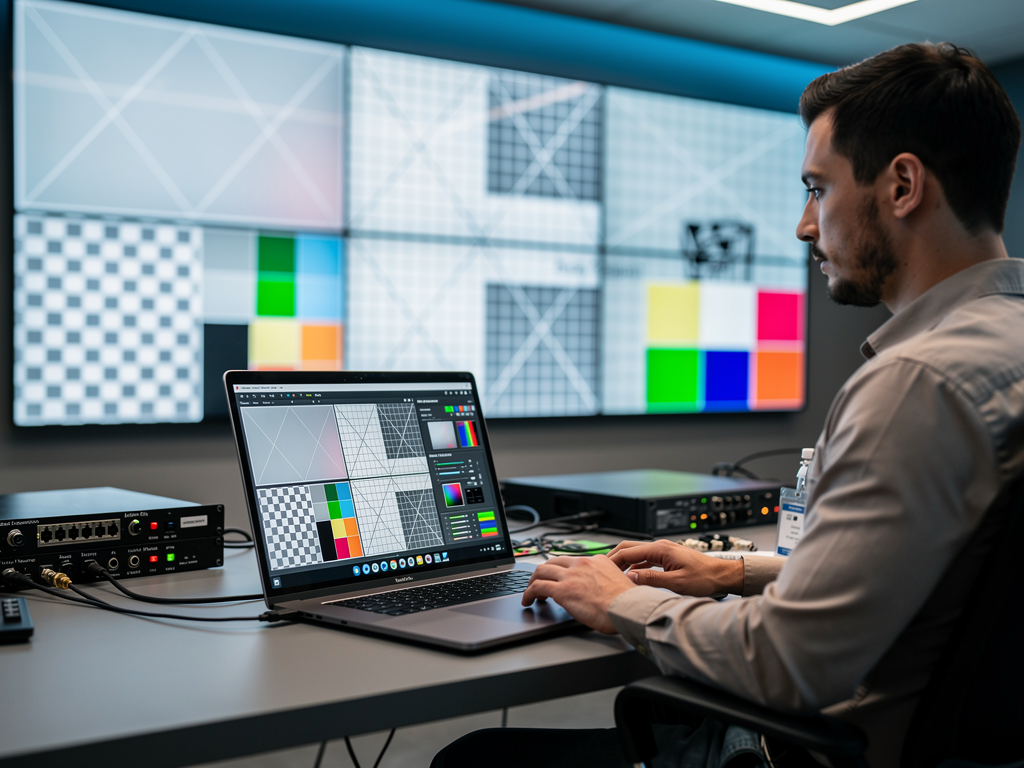
Latency characteristics demand particular attention in video wall environments. Even small variations in processing delay between decoders can create visible tearing or misalignment across the display surface. Products designed specifically for video wall applications typically include frame buffer synchronization features that ensure all decoders output their content simultaneously, regardless of minor variations in network delivery timing.
The choice between different AVoIP protocols also impacts video wall performance. Solutions based on standards like NDI, SDVoE, and Dante AV Ultra each offer distinct advantages depending on application requirements. SDVoE systems deliver uncompressed video with extremely low latency, making them ideal for demanding applications where image quality cannot be compromised. NDI-based systems provide excellent flexibility and broad ecosystem support, while Dante AV Ultra offers tight integration with professional audio infrastructure.
Content Management and Control System Integration
Effective video wall installations require sophisticated content management capabilities that extend beyond simple signal routing. Modern control systems enable operators to create complex layouts, manage multiple content sources, and respond dynamically to changing requirements. Integration between AVoIP infrastructure and control platforms from manufacturers like Crestron, Extron, and Q-SYS provides the foundation for intuitive user experiences.
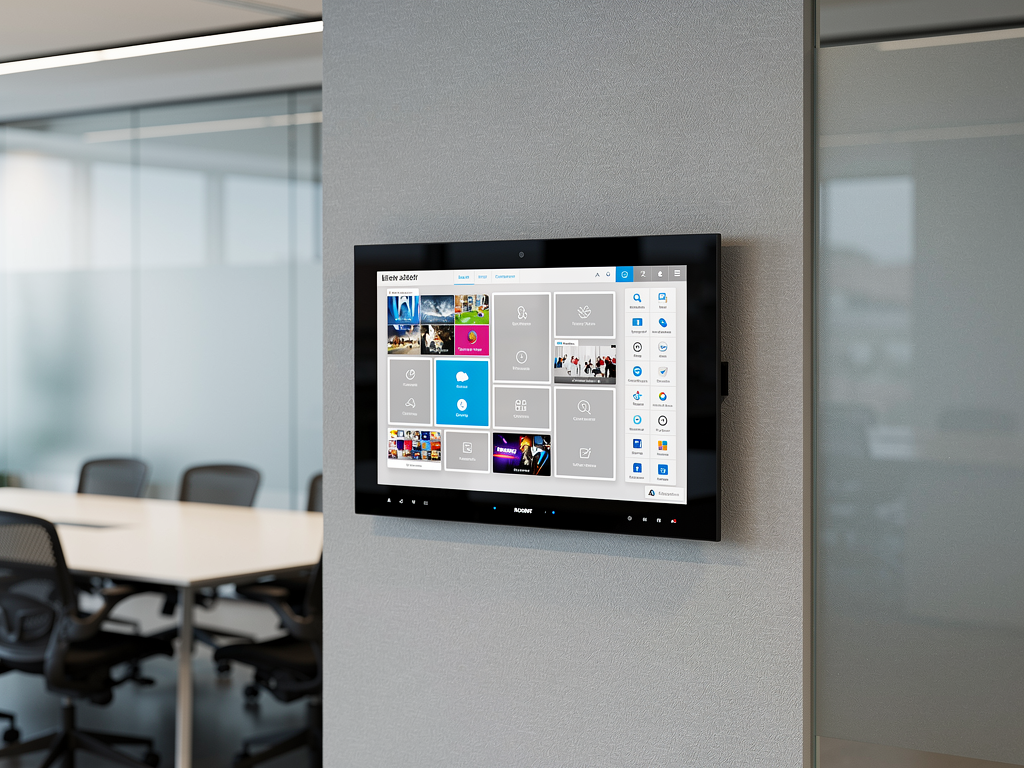
API integration allows custom applications to control video wall content programmatically. This capability proves particularly valuable in command and control environments where video wall layouts must respond automatically to external events or data feeds. Many AVoIP manufacturers provide comprehensive API documentation and software development kits that enable system integrators to create tailored solutions for specific operational requirements.
Scheduling functionality automates content changes based on time, date, or external triggers. A corporate lobby video wall might display company information during business hours, switch to emergency messaging when alarms activate, and show ambient content during evening hours. Products from Netvio and similar manufacturers include built-in scheduling capabilities that reduce reliance on external control systems for basic automation tasks.
Best Practices for Video Wall Deployment
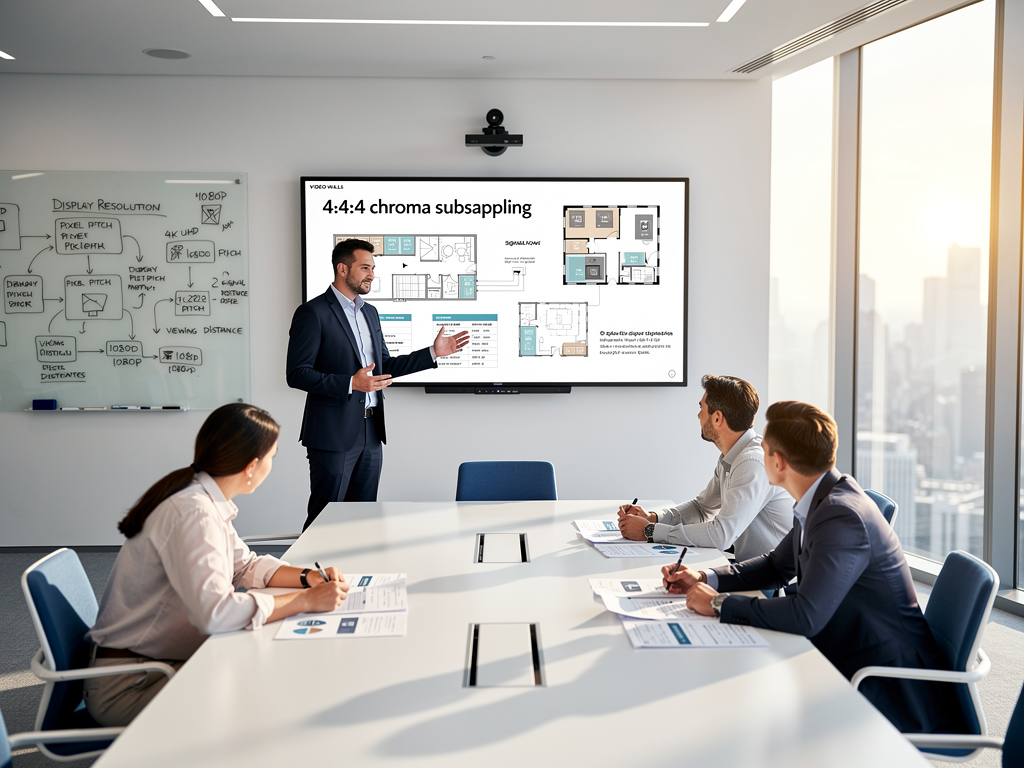
Successful video wall projects begin with thorough site assessment and requirements gathering. Understanding viewing distances, ambient lighting conditions, and content types helps determine appropriate display technologies and configurations. A video wall designed for close-range interaction in a retail environment demands different specifications than a large-format installation viewed from across a stadium concourse.
Thermal management requires careful attention during installation planning. Video wall displays and associated electronics generate substantial heat that must be properly dissipated to ensure reliable long-term operation. Adequate ventilation, appropriate mounting clearances, and environmental monitoring systems help prevent thermal-related failures that could compromise system availability.
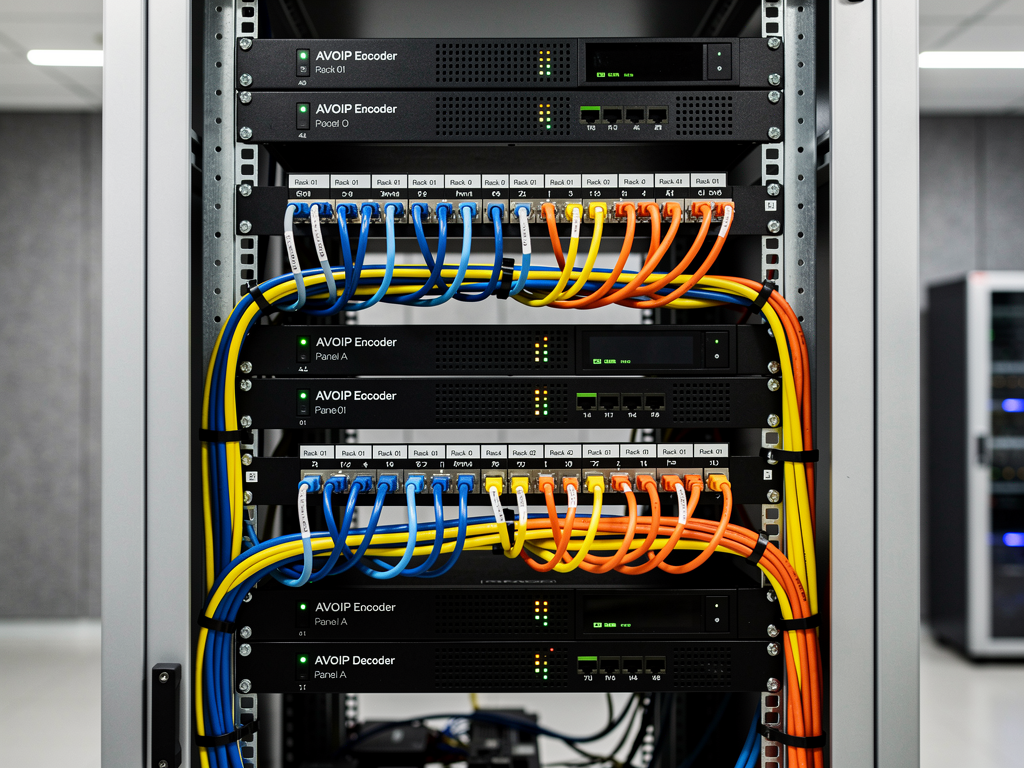
Cable management and labeling practices significantly impact long-term maintainability. While AVoIP reduces overall cable quantities compared to traditional matrix-based systems, proper organization of network connections, power distribution, and control wiring remains essential. Comprehensive documentation of network configurations, IP addressing schemes, and system parameters facilitates troubleshooting and future modifications.
Troubleshooting Common Video Wall Challenges
Even well-designed video wall systems occasionally encounter issues that require systematic troubleshooting. Understanding common failure modes and their solutions helps minimize downtime and maintain system reliability. Network-related problems frequently manifest as image artifacts, synchronization issues, or complete signal loss on individual displays.
Multicast routing problems represent one of the most common causes of video wall malfunctions. Symptoms include displays that fail to receive content while others function normally, or intermittent signal loss across the entire installation. Verifying IGMP snooping configuration, checking multicast group memberships, and ensuring proper querier operation typically resolves these issues.
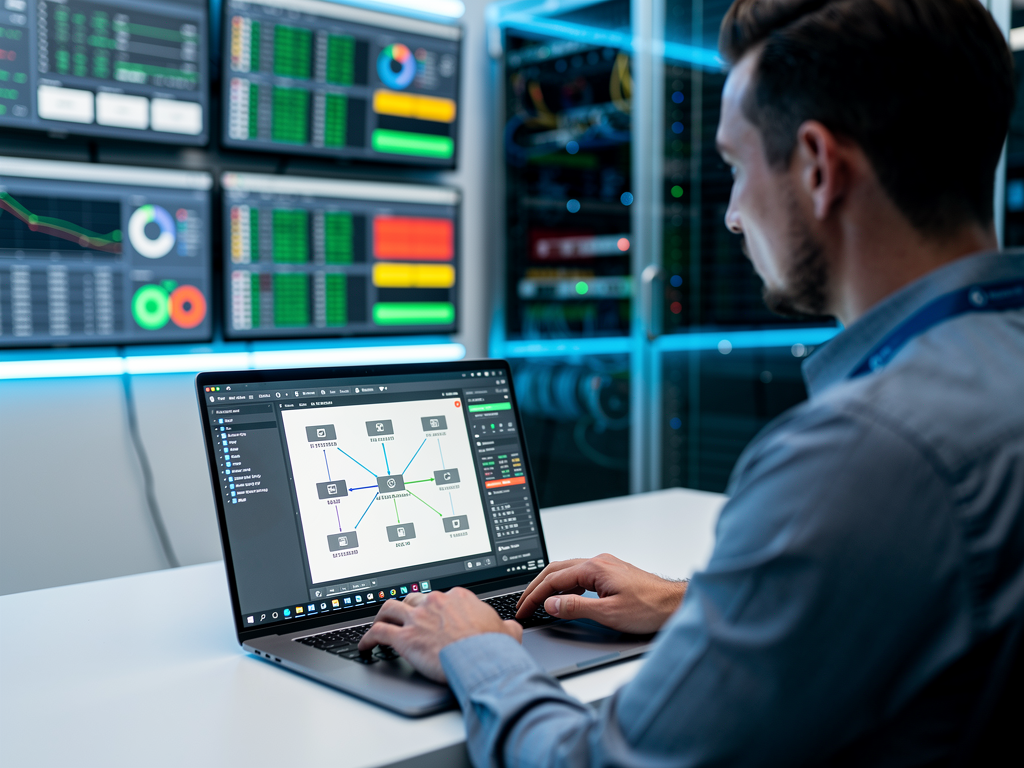
Synchronization drift can develop over time, particularly in systems that lack robust timing references. Regular calibration checks and firmware updates help maintain optimal performance. Many modern AVoIP systems include diagnostic tools that report synchronization status and alert operators to potential issues before they become visible problems.
Future Trends in AVoIP Video Wall Technology
The evolution of AVoIP technology continues to expand possibilities for video wall applications. Emerging standards promise higher resolutions, improved compression efficiency, and enhanced interoperability between manufacturers. The transition toward 8K content and beyond will drive continued innovation in encoding algorithms and network infrastructure capabilities.
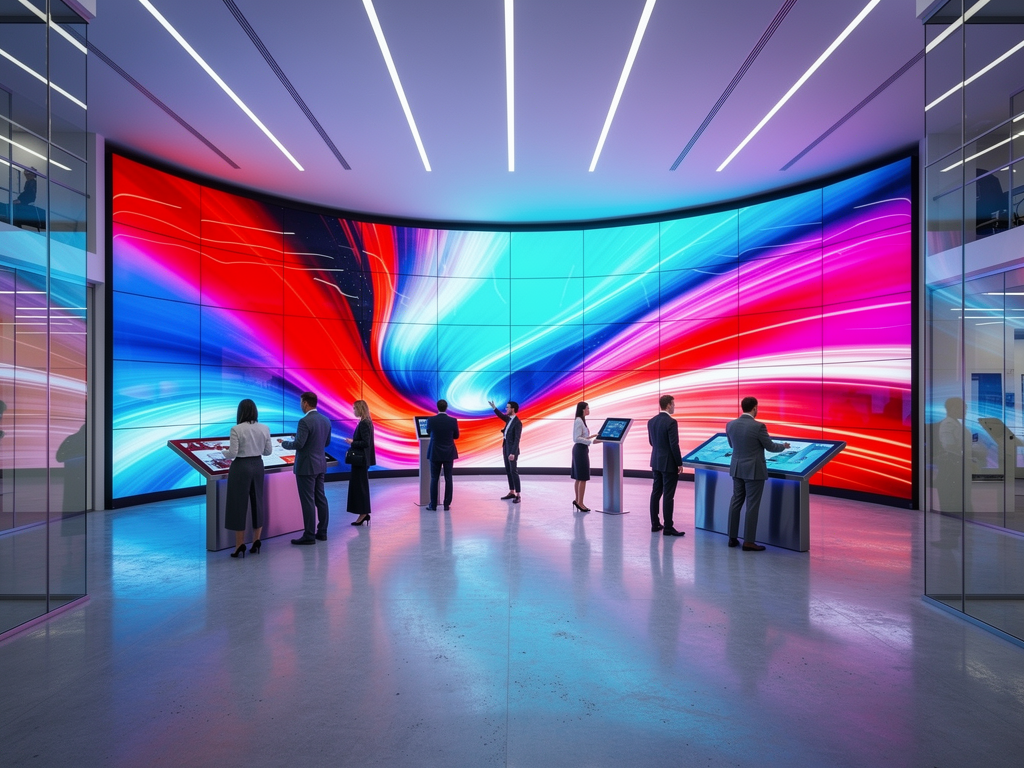
Artificial intelligence integration is beginning to appear in video wall management systems, enabling automatic content optimization, predictive maintenance, and intelligent layout suggestions based on viewing patterns. These capabilities will continue to mature, reducing the technical expertise required to operate complex video wall installations while improving overall system performance.
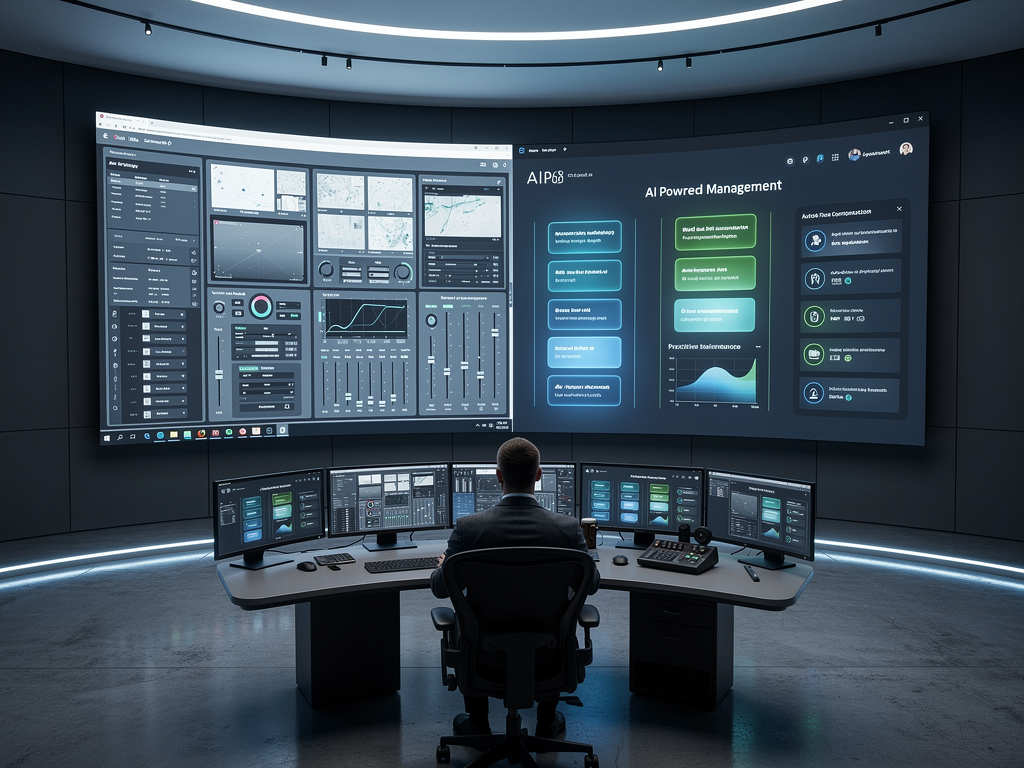
Cloud-based management platforms are extending the reach of video wall control beyond local networks. Remote monitoring, configuration, and content management enable centralized support for distributed installations across multiple facilities. This trend aligns with broader enterprise IT strategies while providing AV professionals with powerful tools for managing complex deployments.
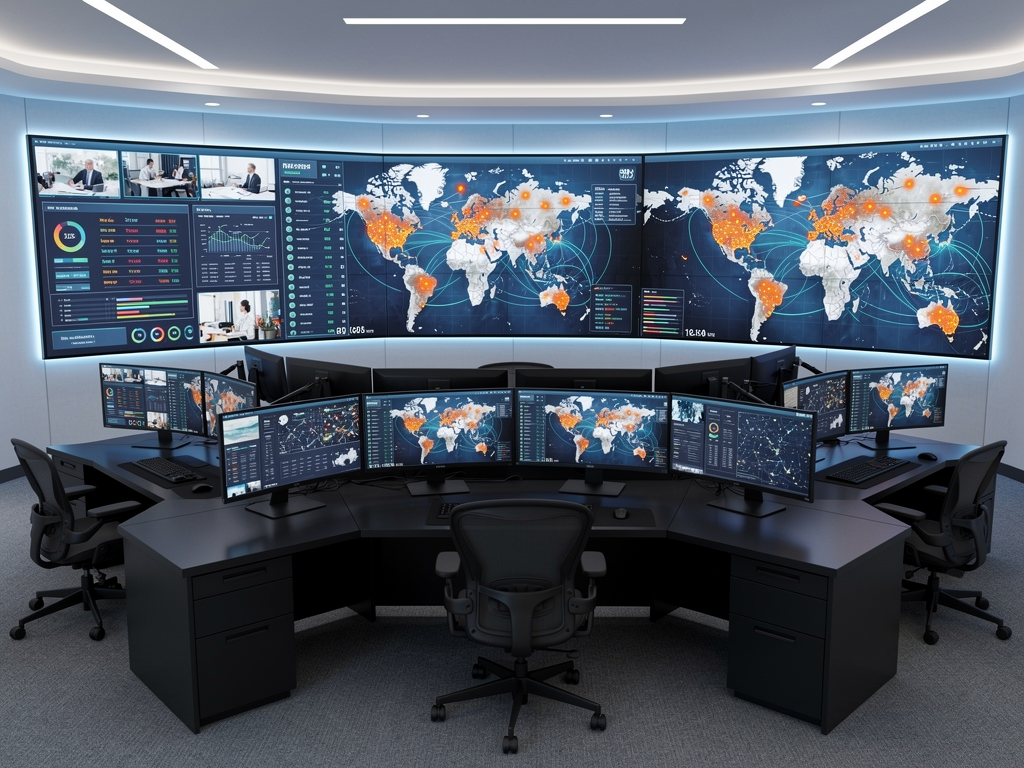
As organizations continue to recognize the value of impactful visual communications, video wall installations will become increasingly common across diverse applications. Mastering the integration of AVoIP technology with these systems positions AV professionals to deliver solutions that combine stunning visual impact with the flexibility and scalability that modern organizations demand. The comprehensive AVoIP Solutions Directory provides valuable resources for exploring products and manufacturers that can bring these ambitious projects to life.
Comments(0)