Integrating AVoIP with Legacy AV Systems: A Guide to Smooth Transitions
Bridge the gap between traditional and IP-based AV. This guide covers best practices for integrating AVoIP with your existing legacy systems, including gateway devices, network considerations, and control system strategies.
Micha van der Stoop
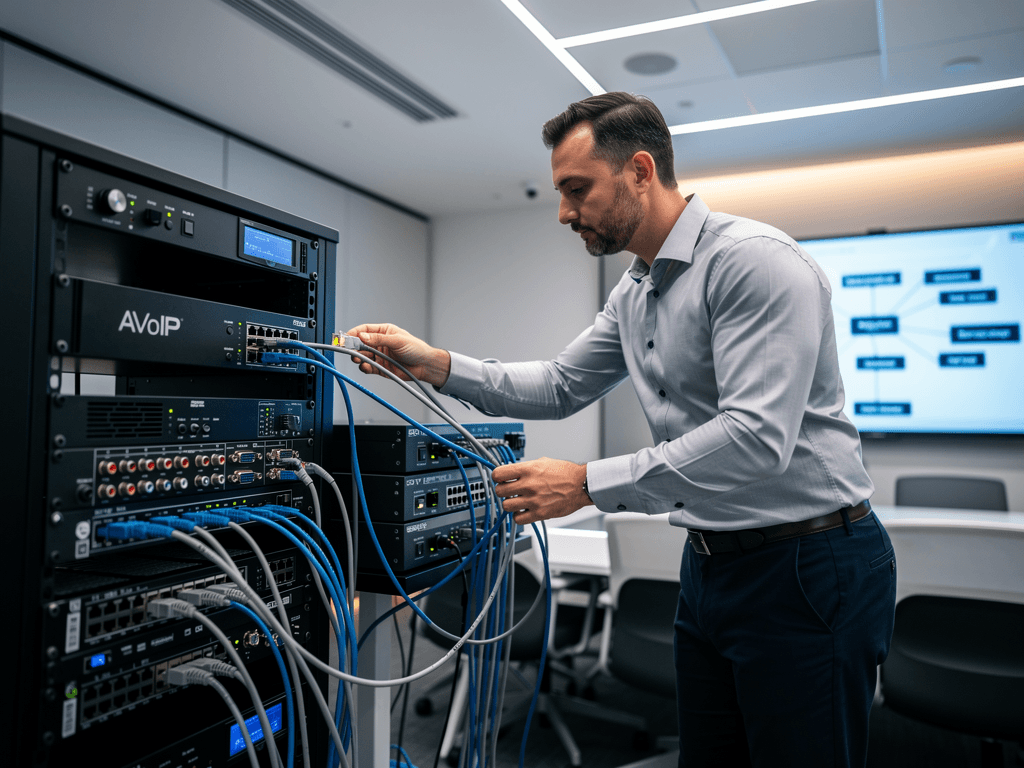
Integrating AVoIP with Legacy AV Systems: Best Practices for a Smooth Transition
The professional audiovisual industry stands at a pivotal crossroads. Organizations worldwide are recognizing the transformative potential of Audio Video over IP technology, yet many find themselves anchored to substantial investments in legacy AV infrastructure. The challenge of bridging these two worlds requires careful planning, strategic implementation, and a deep understanding of both traditional and network-based systems. This comprehensive guide explores the methodologies, tools, and best practices that enable seamless integration between AVoIP solutions and existing AV equipment.
Understanding the Legacy AV Landscape
Before embarking on any integration project, it is essential to conduct a thorough assessment of your existing infrastructure. Legacy AV systems typically encompass a diverse array of equipment including matrix switchers, distribution amplifiers, analog audio processors, and traditional video scalers. These systems often rely on point-to-point cabling using formats such as HDMI, SDI, component video, and analog audio connections. Understanding the signal flow, routing capabilities, and limitations of your current setup provides the foundation for a successful migration strategy.
Many organizations operate hybrid environments where equipment from different eras coexists. You might find a conference room with a decade-old matrix switcher connected to newer displays, or a broadcast facility running SDI infrastructure alongside emerging IP workflows. Documenting every input, output, and signal path creates a comprehensive map that informs integration decisions. This inventory should include cable types, connector formats, signal resolutions, and any proprietary protocols currently in use.

The financial investment represented by legacy equipment cannot be overlooked. Organizations have often spent considerable capital on reliable systems that continue to perform their intended functions. The goal of integration is not wholesale replacement but rather strategic enhancement that extends the useful life of existing assets while introducing the flexibility and scalability of IP-based distribution.
Gateway Devices: Bridging Traditional and IP Worlds
The cornerstone of any legacy integration strategy lies in selecting appropriate gateway devices. Encoders and decoders serve as the translation layer between traditional AV signals and IP networks. An encoder converts HDMI, SDI, or analog signals into IP streams, while decoders perform the reverse operation. Manufacturers like Visionary AV offer encoder solutions such as the E5000 that provide reliable signal conversion with minimal latency.
When evaluating gateway devices, several factors demand consideration. Latency requirements vary dramatically between applications. A digital signage deployment might tolerate several hundred milliseconds of delay, while live event production or interactive collaboration spaces require sub-frame latency. Products from manufacturers such as BZBGEAR and TiGHT AV offer various latency profiles to match specific use cases.
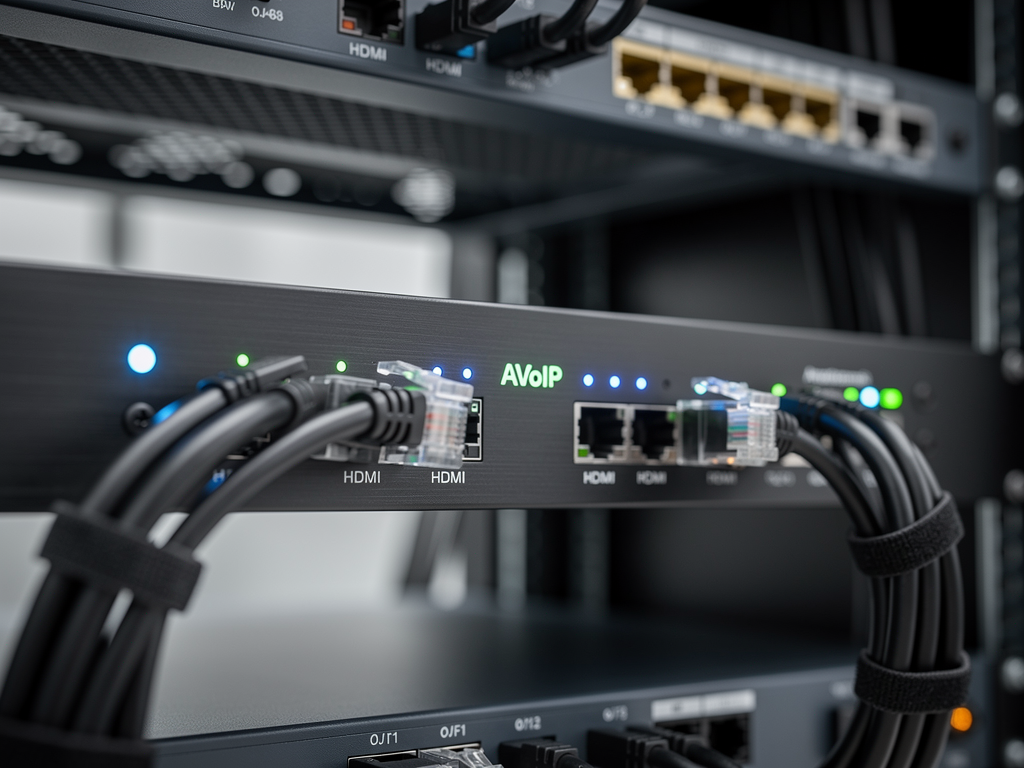
Resolution and format support represents another critical consideration. Your legacy sources might output 1080p60, while newer displays support 4K60 with HDR. The gateway device must handle format conversion, scaling, and color space translation. Products from ADTECHNO and Craltech excel at providing comprehensive format support that accommodates both older and contemporary signal specifications.
Audio handling deserves particular attention during gateway selection. Legacy systems often utilize separate audio paths, embedding audio into video streams, or maintaining discrete analog audio connections. Modern AVoIP solutions from Netvio and similar manufacturers provide flexible audio embedding, de-embedding, and routing capabilities that preserve audio quality throughout the signal chain.
Network Infrastructure Considerations
Successful AVoIP integration demands robust network infrastructure capable of handling the bandwidth and latency requirements of video distribution. Unlike traditional AV systems that operate on dedicated cabling, IP-based solutions share network resources with other organizational traffic. This convergence offers tremendous flexibility but requires careful network design and management.
Virtual LANs provide essential traffic isolation, separating AV streams from general network traffic. Implementing dedicated VLANs for video distribution prevents bandwidth contention and ensures consistent performance. Quality of Service configurations prioritize AV traffic, guaranteeing that video packets receive preferential treatment during periods of network congestion.
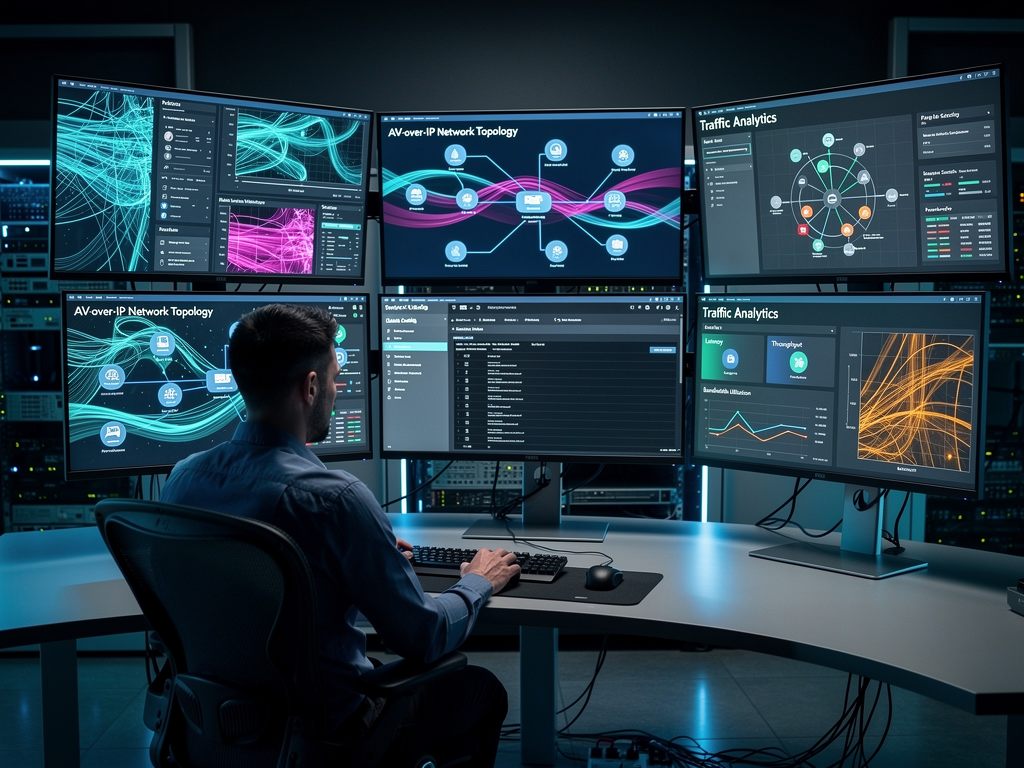
Multicast versus unicast streaming decisions significantly impact network architecture. Multicast streaming efficiently distributes a single source to multiple destinations without duplicating bandwidth, making it ideal for digital signage and broadcast distribution scenarios. Unicast streaming creates individual streams for each destination, offering greater flexibility for interactive applications but consuming more bandwidth. Many modern AVoIP platforms support both modes, allowing integrators to optimize for specific deployment requirements.
Switch selection plays a crucial role in integration success. Managed switches with IGMP snooping capabilities efficiently handle multicast traffic, preventing network flooding. Sufficient backplane bandwidth ensures that the switch can handle simultaneous video streams without introducing bottlenecks. When integrating with legacy systems, edge switches connecting gateway devices require particular attention to ensure adequate port speeds and buffer capacity.
Control System Integration Strategies
Legacy AV systems typically rely on established control protocols such as RS-232 serial communication, infrared commands, or proprietary control buses. Integrating these systems with AVoIP infrastructure requires bridging control methodologies while maintaining unified user experiences. Modern AVoIP platforms offer multiple control interfaces including TCP/IP, REST APIs, and traditional serial connections.
Control system manufacturers have developed drivers and modules specifically designed for AVoIP integration. These software components enable existing Crestron, Extron, AMX, or similar control systems to communicate with IP-based AV equipment. The AVoIP Solutions Directory provides comprehensive listings of products with their control capabilities, helping integrators identify compatible solutions.
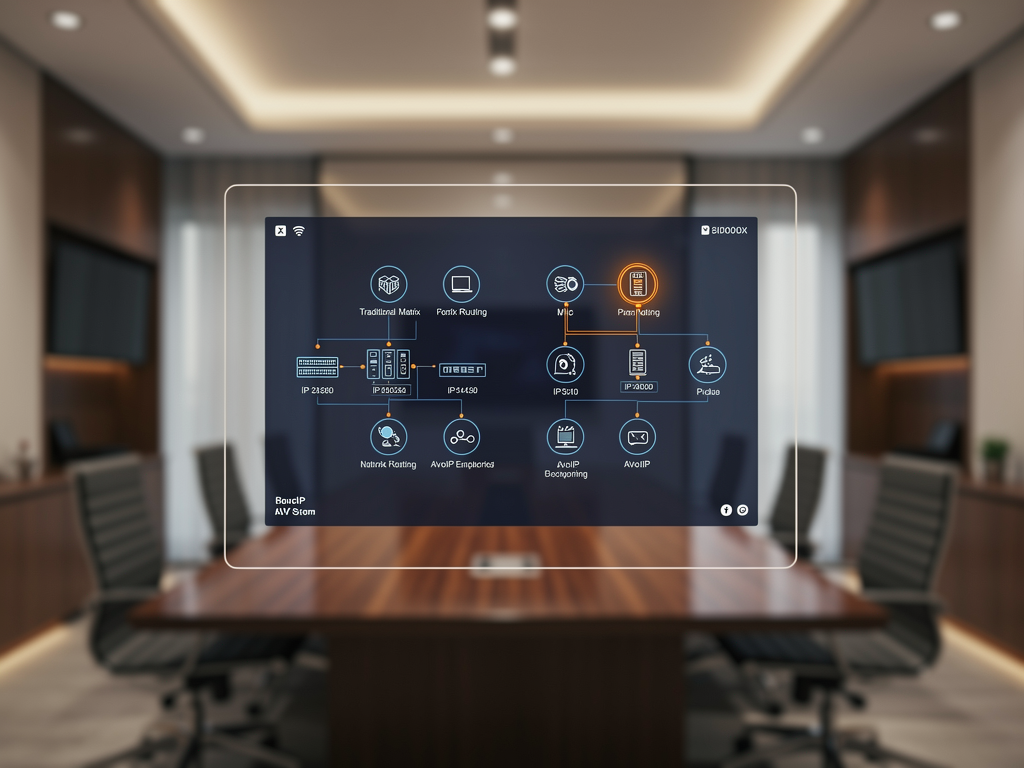
API-based integration offers the most flexible approach for complex deployments. RESTful APIs enable custom software development that orchestrates both legacy and IP-based equipment from a single interface. This approach proves particularly valuable for enterprise deployments where existing room booking systems, digital signage platforms, or building management systems must interact with AV infrastructure.
Maintaining consistent user experiences throughout the transition period requires thoughtful interface design. Users should not need to understand whether their content is flowing through traditional or IP-based paths. The control system abstracts these technical details, presenting a unified interface that routes signals appropriately based on source and destination requirements.
Phased Implementation Approaches
Attempting a complete infrastructure overhaul simultaneously introduces unnecessary risk and disruption. Successful integration projects follow phased approaches that gradually introduce AVoIP capabilities while maintaining operational continuity. This methodology allows organizations to validate performance, train staff, and refine processes before expanding deployment scope.
A typical phased approach begins with pilot installations in non-critical spaces. Conference rooms, training facilities, or secondary presentation spaces provide ideal testing environments. Installing encoders on legacy sources and decoders at new display locations demonstrates system capabilities while limiting the impact of any issues. Products from manufacturers like TiGHT AV and BZBGEAR offer straightforward deployment that simplifies pilot implementations.
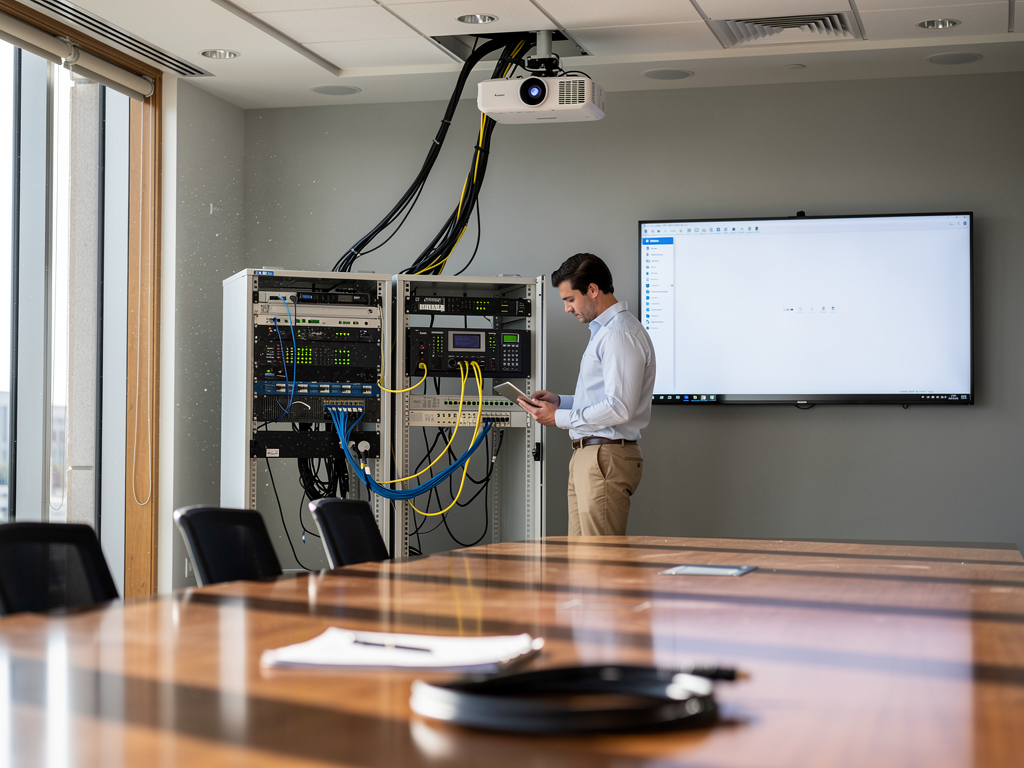
Documentation and knowledge transfer occur throughout each phase. Technical staff develop familiarity with new equipment, troubleshooting procedures, and maintenance requirements. This institutional knowledge proves invaluable as deployment expands. Creating detailed runbooks that address common scenarios ensures consistent support regardless of which team members respond to issues.
Subsequent phases extend AVoIP capabilities to additional spaces while potentially retiring legacy equipment in areas where IP-based solutions have proven reliable. This gradual transition allows organizations to amortize costs over multiple budget cycles while continuously improving infrastructure capabilities.
Cost Optimization and ROI Considerations
Financial analysis of integration projects must consider both immediate costs and long-term operational benefits. Gateway devices represent the primary hardware investment, with pricing varying based on features, supported resolutions, and latency performance. The comprehensive product comparison tools available through AVoIP directories help identify solutions that balance capability requirements with budget constraints.

Network infrastructure investments often provide benefits beyond AV applications. Upgraded switches, structured cabling, and network management tools enhance overall organizational connectivity. These shared benefits should factor into ROI calculations, distributing costs across multiple benefiting departments.
Operational savings accumulate over time through reduced cabling costs, simplified troubleshooting, and centralized management capabilities. Traditional AV systems require dedicated cabling runs for each signal path, while IP-based distribution leverages existing network infrastructure. Remote management capabilities reduce truck rolls and enable faster issue resolution, translating directly to reduced support costs.
Future-Proofing Your Integration
Technology evolution continues accelerating, making future-proofing considerations essential for integration planning. Selecting AVoIP platforms based on open standards rather than proprietary protocols provides greater flexibility for future expansion. Standards such as NDI, SDVoE, and Dante AV offer interoperability across multiple manufacturers, protecting investments against vendor lock-in.
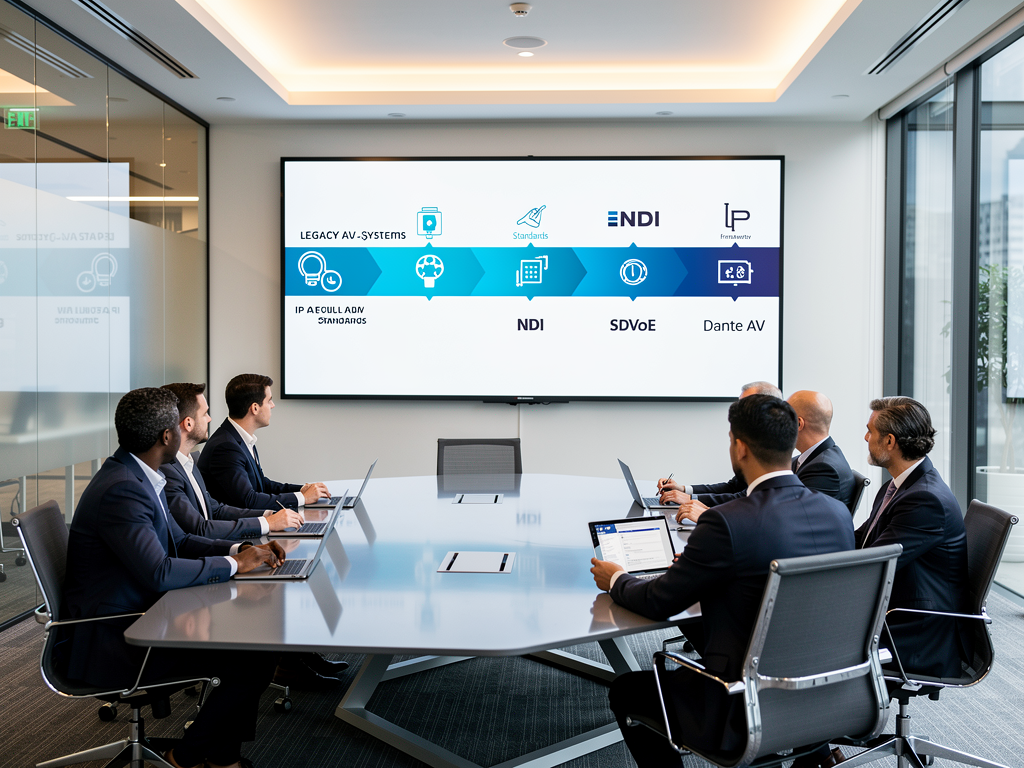
Scalability represents another future-proofing dimension. IP-based systems inherently scale more easily than traditional matrix-based architectures. Adding new endpoints requires only network connectivity rather than dedicated cabling and matrix expansion. Selecting platforms that support growth without forklift upgrades protects initial investments while accommodating organizational expansion.
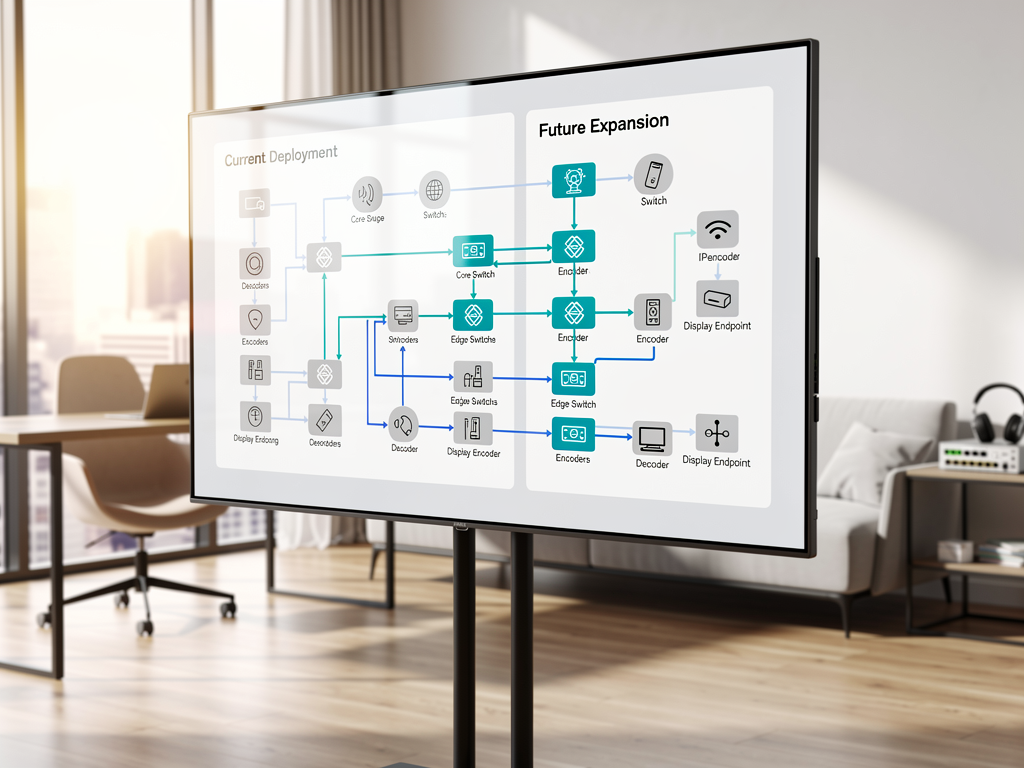
Software-defined capabilities increasingly differentiate AVoIP platforms. Systems that receive regular firmware updates introducing new features provide ongoing value beyond initial deployment. Manufacturers committed to continuous improvement, including Netvio and Craltech, deliver enhanced functionality throughout product lifecycles.
Conclusion: Embracing Hybrid Realities
The transition from legacy AV systems to IP-based infrastructure rarely occurs instantaneously. Most organizations operate hybrid environments for extended periods, requiring integration strategies that maximize the value of existing investments while progressively introducing modern capabilities. Success depends on thorough planning, appropriate gateway device selection, robust network infrastructure, and unified control system integration.
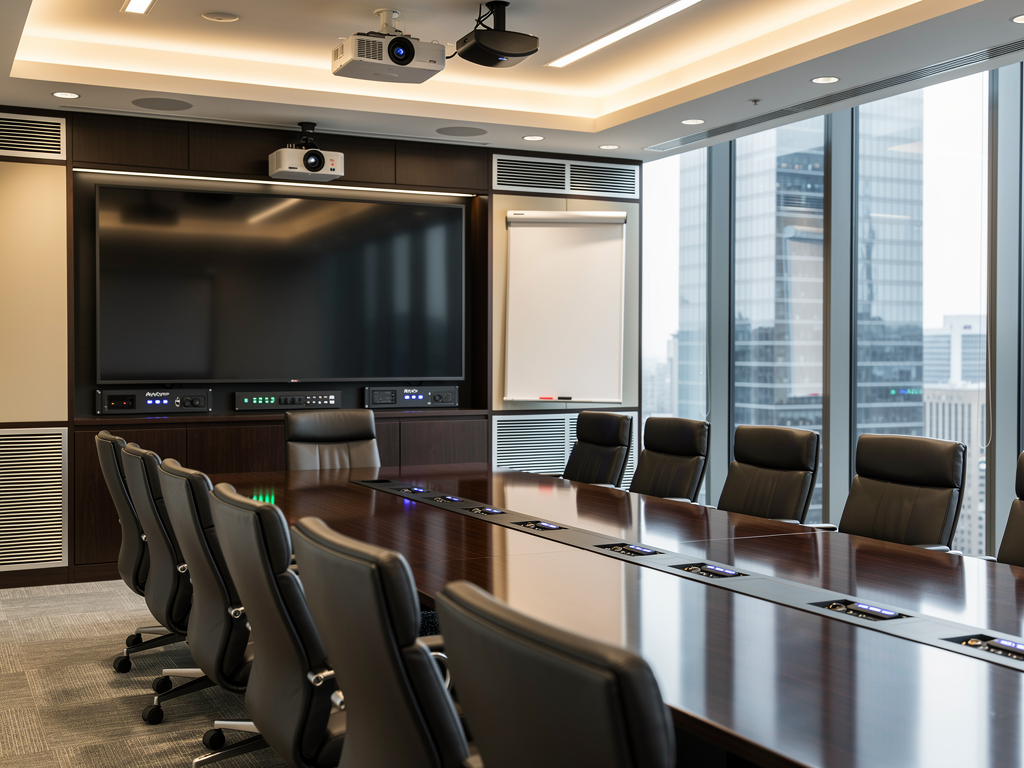
By following phased implementation approaches and maintaining focus on user experience consistency, organizations can navigate this transition smoothly. The flexibility, scalability, and cost efficiency of AVoIP solutions ultimately justify the integration effort, positioning organizations for continued success as audiovisual technology continues evolving.

Whether you are managing a single conference room upgrade or orchestrating an enterprise-wide transformation, the principles outlined in this guide provide a framework for success. Leverage the extensive resources available through the AVoIP Solutions Directory to identify products matching your specific requirements, and approach integration as a strategic initiative that enhances organizational capabilities for years to come.
Comments(0)