Integrating AVoIP with Building Management Systems (BMS)
Discover how integrating Audio Video over IP (AVoIP) solutions with Building Management Systems (BMS) enhances operational efficiency, saves energy, and improves user experiences in modern facilities. Learn about technical considerations, implementation strategies, and real-world benefits.
Micha van der Stoop
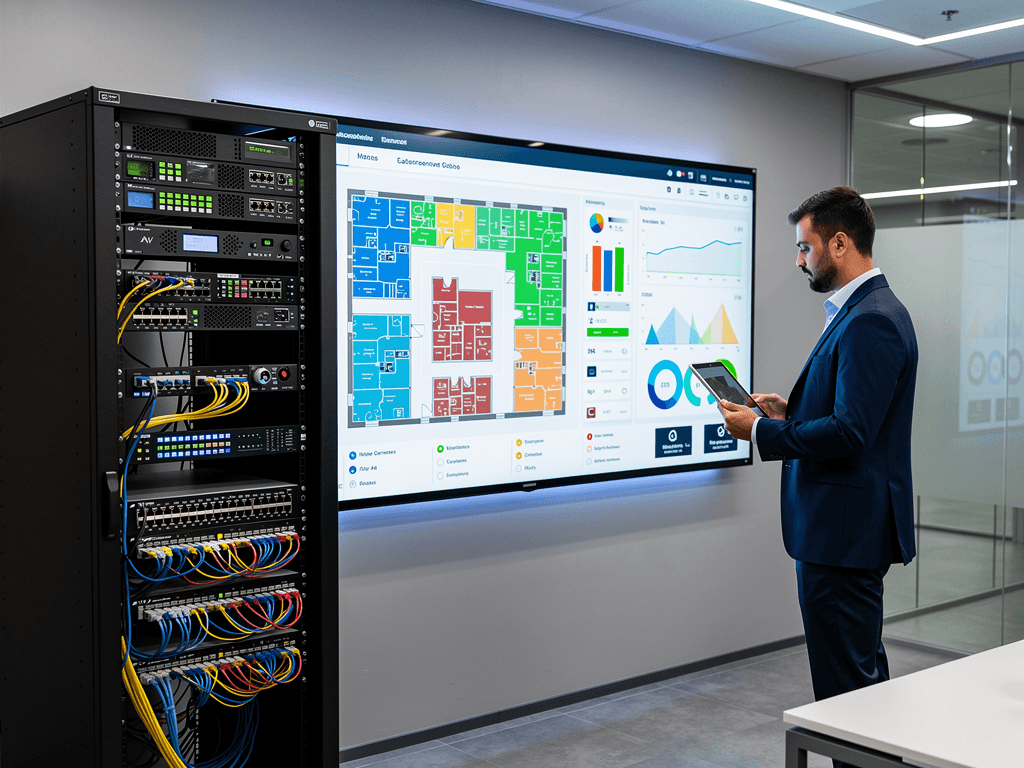
Integrating AVoIP Solutions with Building Management Systems: A Comprehensive Guide
The convergence of audiovisual technology and building automation represents one of the most significant advances in modern facility management. As organizations seek unified control over their environments, the integration of Audio Video over IP solutions with Building Management Systems has emerged as a critical capability that delivers operational efficiency, energy savings, and enhanced user experiences across corporate campuses, educational institutions, and healthcare facilities.
This comprehensive guide explores the technical considerations, practical implementation strategies, and real-world benefits of connecting your AVoIP infrastructure with BMS platforms. Whether you are managing a single building or an enterprise-wide deployment, understanding these integration principles will help you create intelligent, responsive environments that adapt to occupancy patterns and organizational needs.
Understanding the Foundation: AVoIP and BMS Architecture
Before diving into integration strategies, it is essential to understand how both systems operate independently. Building Management Systems typically control HVAC, lighting, access control, fire safety, and energy monitoring through protocols like BACnet, Modbus, and LonWorks. These systems collect data from sensors throughout a facility and execute automated responses based on predefined rules and schedules.
AVoIP solutions, on the other hand, distribute video and audio content across standard IP networks using various protocols including NDI, Dante AV, SDVoE, and proprietary implementations. Modern encoders and decoders from manufacturers like TiGHT AV and Visionary Solutions feature API accessibility that enables external systems to control and monitor their operation. This API-driven architecture creates the foundation for meaningful integration with building automation platforms.
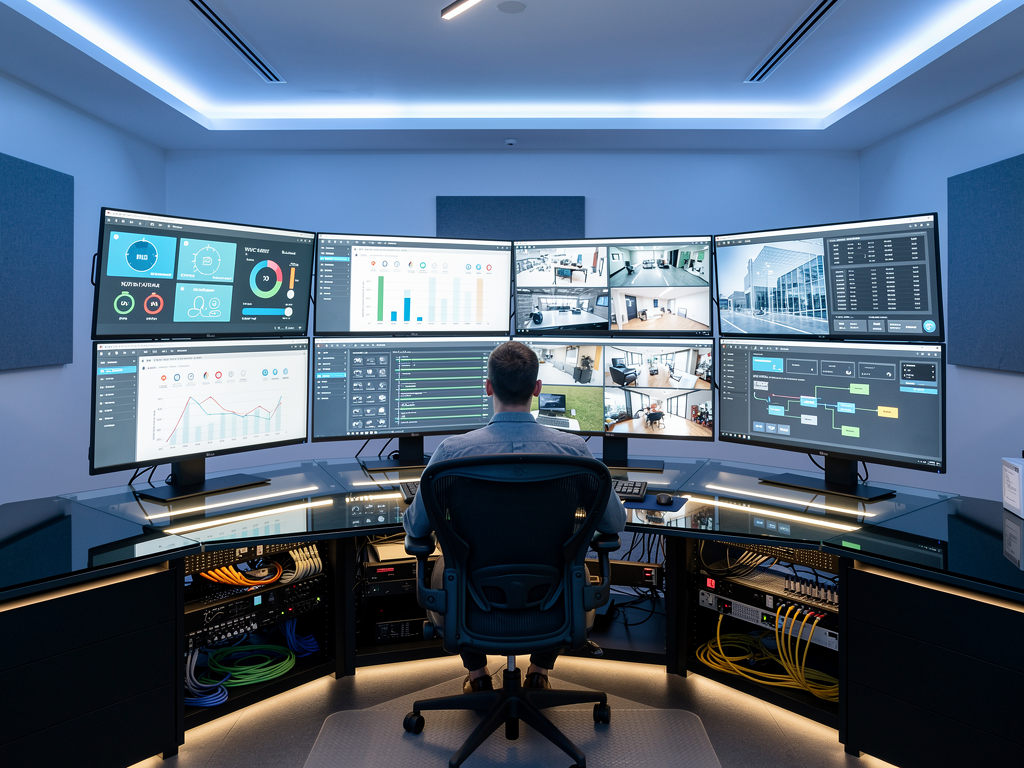
The key to successful integration lies in establishing communication bridges between these traditionally separate domains. Most contemporary AVoIP controllers support REST APIs, TCP/IP command strings, or RS-232 serial connections that can interface with BMS supervisory systems. Products from BZBGEAR and Craltech, for example, offer comprehensive control interfaces that simplify this connectivity.
Protocol Bridges and Communication Methods
Establishing reliable communication between AVoIP equipment and BMS platforms requires careful consideration of available protocols and translation methods. The most common approach involves using a middleware layer or integration controller that speaks both languages fluently.
BACnet integration represents the most straightforward path for commercial buildings, as this protocol dominates the building automation industry. Several AVoIP manufacturers now offer BACnet-compatible controllers or provide integration modules that expose encoder and decoder status as BACnet objects. This allows the BMS to read display power states, source selections, and even streaming health metrics directly.
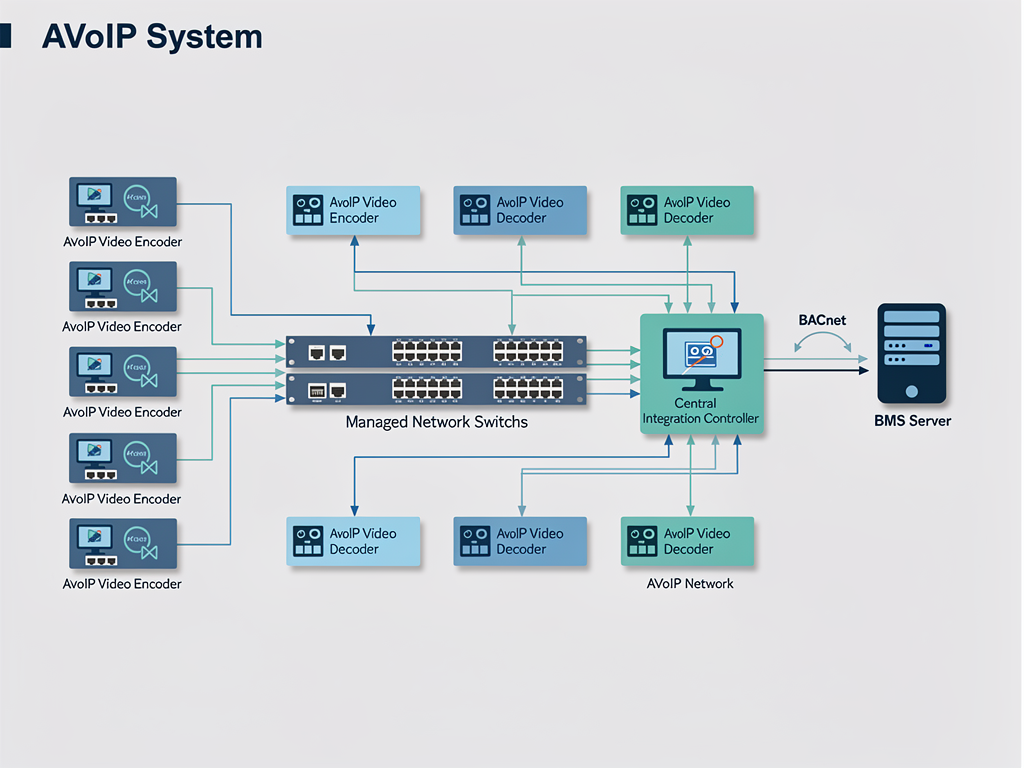
For facilities using Modbus or proprietary BMS protocols, integration typically requires a dedicated gateway device or software-based translator. These solutions monitor AVoIP system status through API calls and present that information to the BMS in its native format. Conversely, they receive commands from the BMS and translate them into appropriate AVoIP control messages.
When evaluating AVoIP encoders and decoders for BMS integration projects, prioritize units with documented APIs and proven third-party compatibility. ADTECHNO and Netvio products consistently demonstrate strong integration capabilities through their comprehensive command sets and responsive technical support.
Practical Use Cases and Automation Scenarios
The true value of AVoIP and BMS integration becomes apparent through practical automation scenarios that improve operational efficiency and user experience. Consider these common implementations that organizations are deploying today.
Occupancy-based display management represents the most impactful integration scenario. When the BMS detects room vacancy through motion sensors or badge readers, it can automatically power down displays and switch AVoIP decoders to standby mode. This simple automation typically reduces display energy consumption by 30 to 50 percent while extending equipment lifespan.
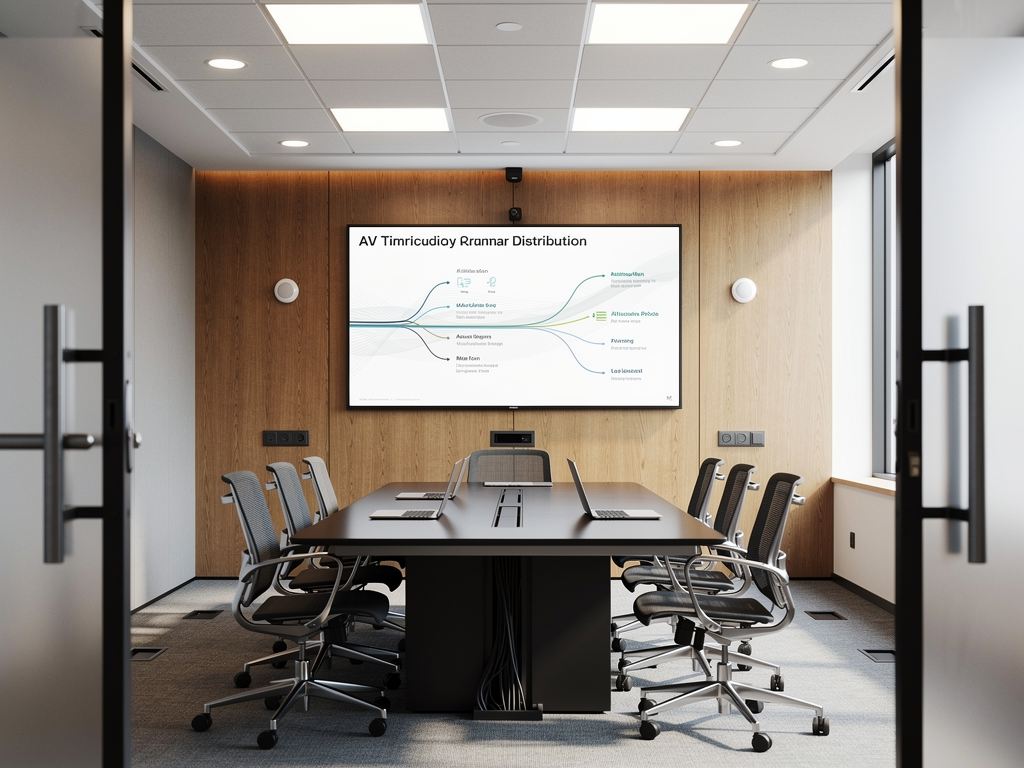
Scheduled content distribution tied to building operations creates another compelling use case. Digital signage networks can automatically display emergency notifications when the fire alarm system activates, show wayfinding information during peak arrival times, or present energy consumption dashboards during sustainability awareness campaigns. The BMS serves as the trigger source while AVoIP infrastructure handles content delivery.
Environmental optimization based on AV usage patterns helps facilities operate more efficiently. When video conferencing begins in a meeting room, the BMS can automatically adjust HVAC to compensate for additional heat generated by displays and equipment, close motorized blinds to reduce glare, and optimize lighting for camera quality. These coordinated responses happen seamlessly without user intervention.
Network Design Considerations for Integrated Systems
Successful integration demands thoughtful network architecture that accommodates both AVoIP traffic requirements and BMS communication needs while maintaining security boundaries. Most organizations implement VLANs to segment these traffic types while allowing controlled communication between domains.
AVoIP systems, particularly those supporting 4K60 content, require substantial bandwidth and low latency. Dedicated VLANs with appropriate Quality of Service configurations ensure video streams remain pristine regardless of other network activity. The BMS integration traffic, which typically consists of small command packets and status updates, can share infrastructure with general building automation communications.
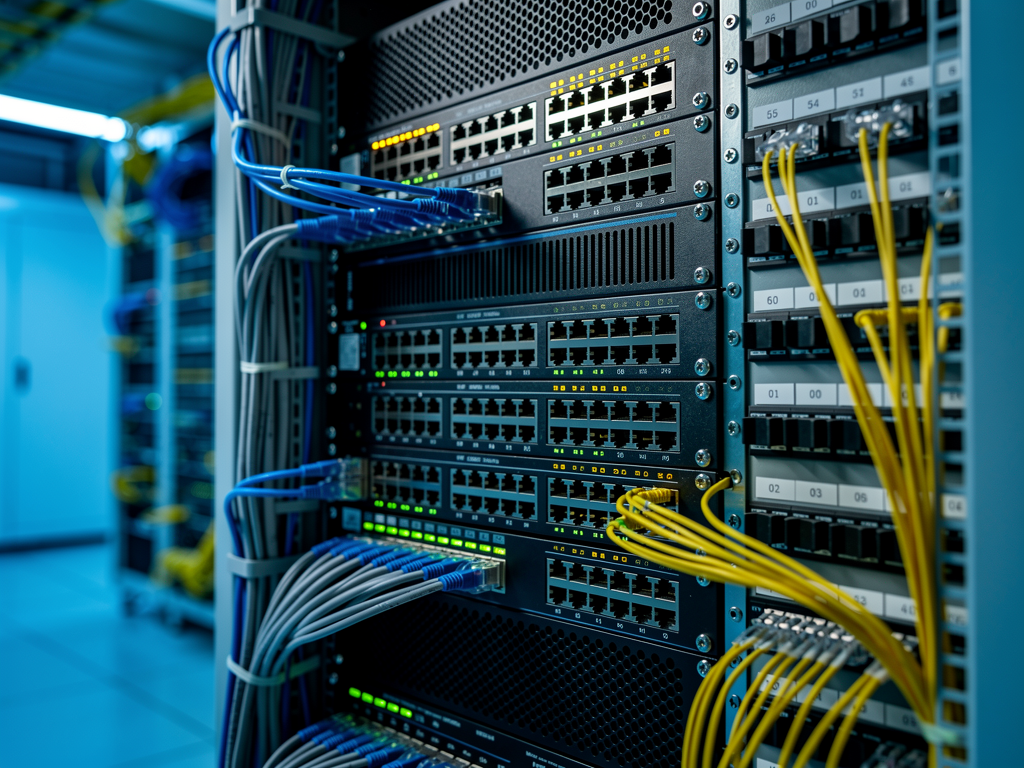
Security considerations become paramount when connecting previously isolated systems. The integration controller or middleware should reside in a DMZ-like configuration that limits exposure of either system to potential vulnerabilities in the other. Implementing proper authentication, encrypted communications where supported, and comprehensive logging helps maintain security posture while enabling valuable automation capabilities.
When selecting network switches for integrated deployments, choose models that support IGMP snooping for efficient multicast handling, robust VLAN implementation, and sufficient port density for future expansion. The AVoIP Solutions Directory provides detailed specifications for compatible network infrastructure components.
Implementation Best Practices and Common Pitfalls
Organizations that achieve the greatest success with AVoIP and BMS integration follow established best practices while avoiding common implementation mistakes. Starting with a pilot deployment in a single building or floor allows teams to refine integration logic before enterprise-wide rollout.
Documentation proves essential throughout the integration process. Create detailed records of all API endpoints, command syntax, expected responses, and error handling procedures. This documentation becomes invaluable during troubleshooting and when onboarding new technical staff. Products from Visionary Solutions and TiGHT AV typically include comprehensive API documentation that accelerates this process.
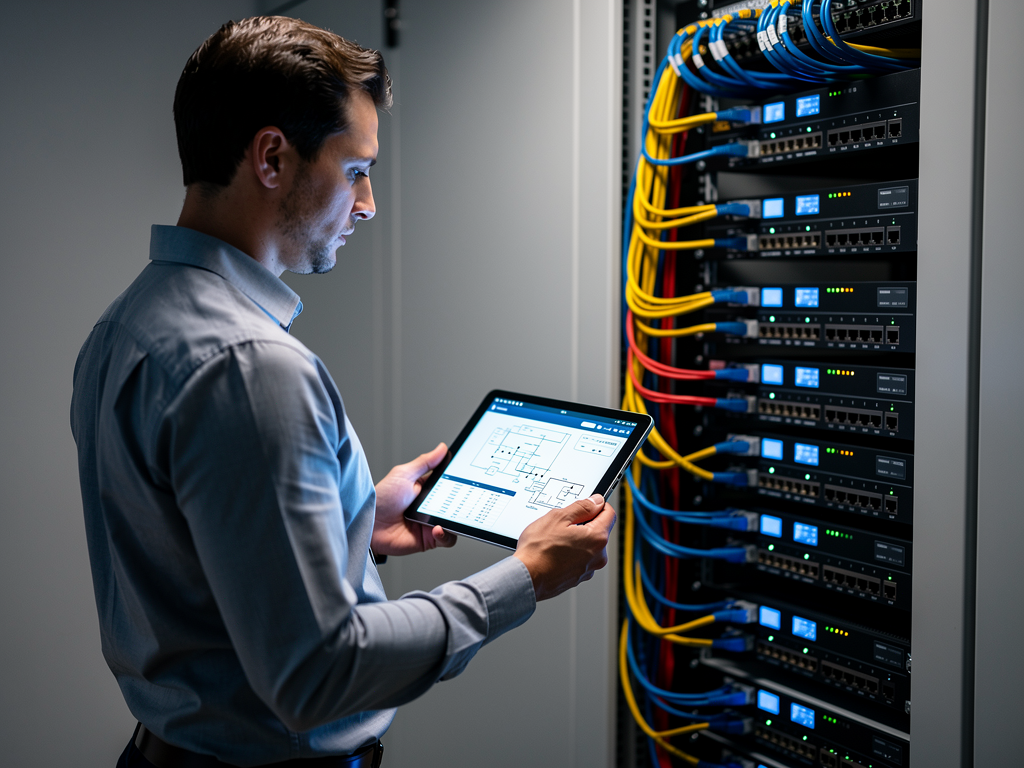
Testing automation sequences thoroughly before production deployment prevents embarrassing failures. Simulate various scenarios including network interruptions, equipment failures, and unusual occupancy patterns. Verify that failsafe behaviors activate appropriately and that the system degrades gracefully rather than catastrophically when components become unavailable.
Common pitfalls include underestimating latency requirements for time-sensitive automations, failing to account for firmware updates that may change API behavior, and neglecting to establish clear ownership between AV and facilities management teams. Address these organizational and technical challenges early in the planning process.
Cost Considerations and Return on Investment
Integrating AVoIP with BMS requires investment in middleware, programming, and potentially upgraded equipment, but the returns typically justify these expenditures within 18 to 24 months. Energy savings from automated display management alone often cover integration costs, while reduced manual intervention frees staff for higher-value activities.
When budgeting for integration projects, account for initial hardware and software costs, programming and configuration labor, testing and commissioning time, training for operations staff, and ongoing maintenance requirements. Organizations frequently underestimate the programming effort required to create robust automation logic that handles edge cases appropriately.

Selecting AVoIP equipment with native integration capabilities reduces middleware costs and simplifies ongoing maintenance. Manufacturers like BZBGEAR and Craltech offer competitively priced encoders and decoders with robust API support that minimizes integration complexity. Comparing total cost of ownership rather than initial purchase price ensures accurate budget projections.
Future Trends and Emerging Technologies
The integration landscape continues evolving as both AVoIP and BMS technologies advance. Cloud-based management platforms increasingly offer native integration capabilities that eliminate the need for on-premises middleware. These solutions enable enterprise-wide automation across geographically distributed facilities from unified dashboards.
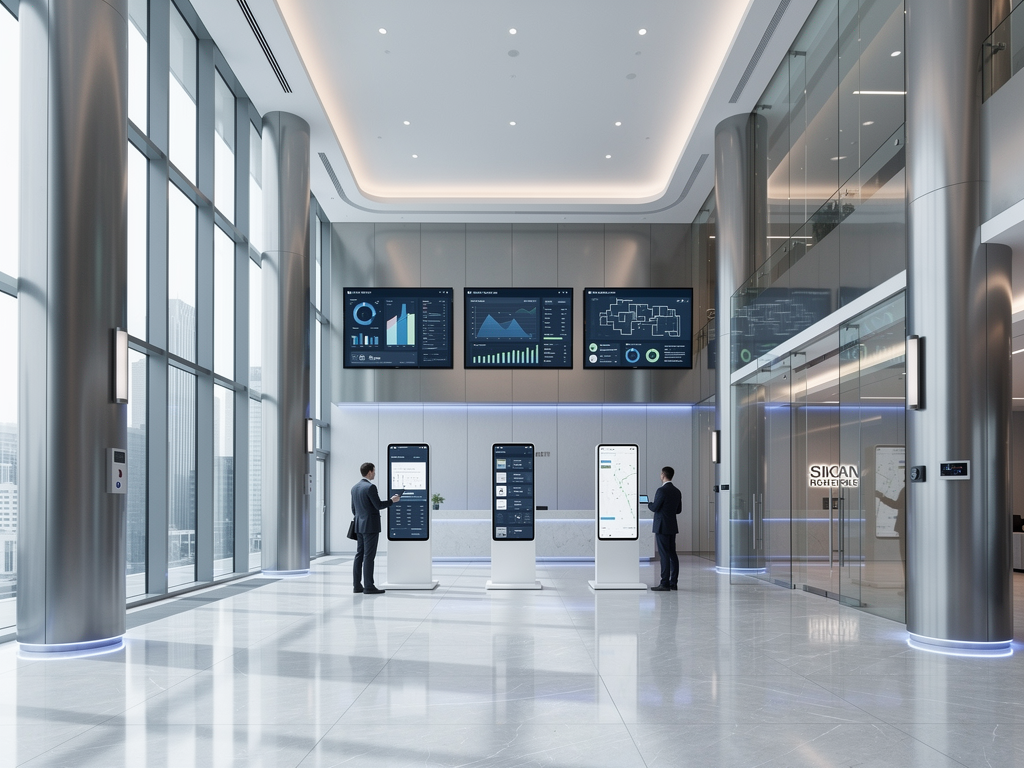
Artificial intelligence and machine learning capabilities are beginning to appear in both domains. Predictive maintenance algorithms can analyze AVoIP equipment telemetry to identify failing components before they cause outages. Occupancy prediction models enable proactive rather than reactive automation, pre-conditioning spaces and preparing content before users arrive.
Standardization efforts continue advancing interoperability. The IPMX initiative promises greater consistency in AVoIP implementations, while building automation standards bodies work toward improved cross-platform compatibility. Organizations investing in integration today should select equipment and platforms positioned to benefit from these emerging standards.
Conclusion: Creating Intelligent, Responsive Environments
Integrating AVoIP solutions with Building Management Systems transforms facilities from passive structures into intelligent, responsive environments that anticipate and adapt to occupant needs. The technical challenges are manageable with proper planning, and the operational benefits compound over time as automation logic matures and expands.
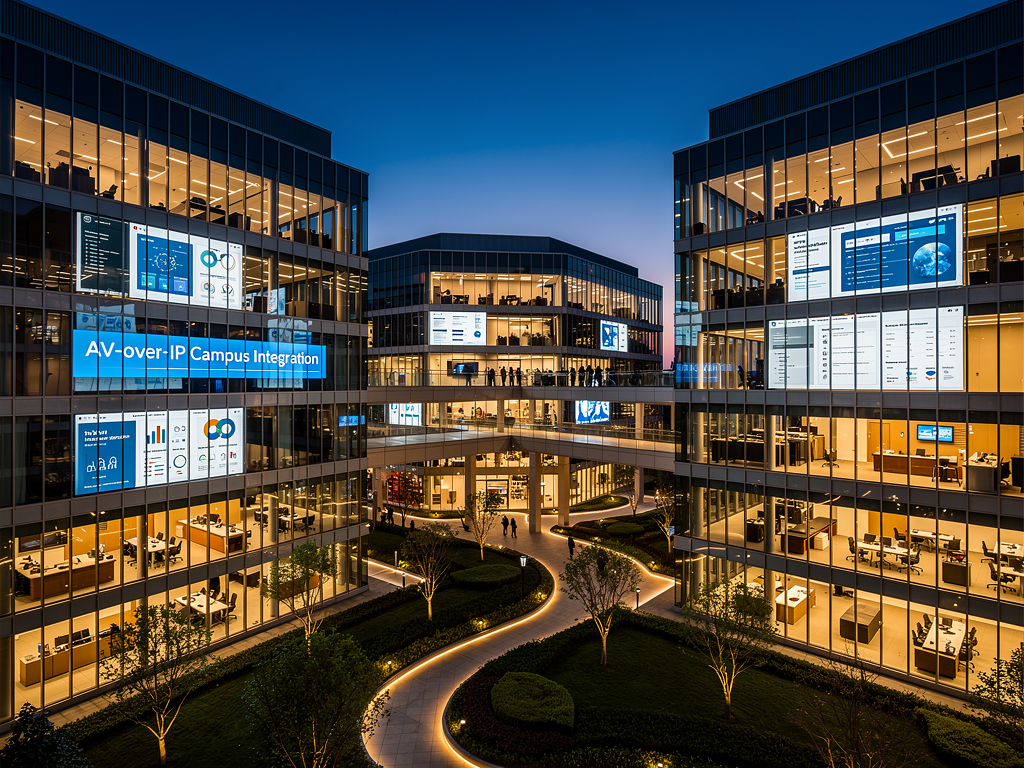
Success requires collaboration between traditionally separate technical teams, careful attention to network architecture and security, and selection of AVoIP equipment with proven integration capabilities. By following the best practices outlined in this guide and learning from organizations that have successfully implemented these integrations, you can create facilities that operate more efficiently while delivering superior experiences for occupants.
The AVoIP Solutions Directory provides comprehensive resources for identifying encoders, decoders, and controllers that support the integration capabilities your projects require. Whether you are beginning your first integration project or expanding an existing deployment, the right equipment selection combined with sound implementation practices will deliver lasting value for your organization.
Comments(0)