Integrating AVoIP Systems with Existing IT Infrastructure
Discover how to seamlessly merge Audio and Video over IP (AVoIP) systems into your current IT environment. This guide covers practical considerations, network assessment, protocol selection, and best practices for successful integration.
Micha van der Stoop

Integrating AVoIP Systems with Existing IT Infrastructure: A Practical Guide
The convergence of audiovisual technology and information technology represents one of the most significant shifts in how organizations deploy and manage their communication systems. Audio and Video over IP solutions have matured considerably, offering unprecedented flexibility and scalability. However, successful integration with existing IT infrastructure requires careful planning, collaboration between departments, and a thorough understanding of both AV requirements and network fundamentals. This comprehensive guide explores the practical considerations, best practices, and strategic approaches for seamlessly merging AVoIP systems into your current IT environment.
Understanding the Foundation: Why IT Integration Matters for AVoIP
Traditional AV systems operated on dedicated, isolated networks with proprietary cabling and control systems. This approach created silos within organizations, where AV teams and IT departments rarely needed to coordinate. The shift to IP-based audiovisual distribution fundamentally changes this dynamic, placing AV traffic alongside enterprise data on shared network infrastructure. This integration offers tremendous benefits, including centralized management, reduced cabling costs, and enhanced scalability.
The importance of proper integration cannot be overstated. When AVoIP systems are deployed without adequate IT coordination, organizations frequently encounter bandwidth conflicts, security vulnerabilities, and management headaches. Conversely, well-planned integrations leverage existing network investments while delivering superior AV performance. Products from manufacturers like Visionary AV and TiGHT AV are specifically designed with IT-friendly features, including standard network protocols and comprehensive management interfaces that align with enterprise IT practices.

Understanding the bandwidth requirements of various AVoIP protocols is essential for successful integration. Uncompressed 4K video at 60 frames per second can require up to 12 Gbps of bandwidth, while compressed solutions may operate efficiently at 100 Mbps or less. This variance significantly impacts network design decisions and determines whether existing infrastructure can accommodate new AV traffic without upgrades.
Assessing Your Current Network Infrastructure
Before deploying any AVoIP solution, conducting a thorough assessment of your existing network infrastructure is critical. This evaluation should examine switch capabilities, available bandwidth, network topology, and current utilization patterns. Many organizations discover that their networks can support AVoIP traffic with minimal modifications, while others may require targeted upgrades to specific network segments.
Switch capabilities deserve particular attention during the assessment phase. AVoIP systems typically require switches that support IGMP snooping, which prevents multicast traffic from flooding all ports. Additionally, Quality of Service configurations ensure that time-sensitive AV traffic receives priority over less critical data. Most enterprise-grade switches from manufacturers like Cisco, Aruba, and Juniper support these features, though they may require configuration adjustments.
Network segmentation strategies play a crucial role in successful AVoIP deployments. Virtual LANs allow organizations to logically separate AV traffic from general enterprise data without requiring physically separate networks. This approach provides security benefits while enabling efficient resource utilization. Products from BZBGEAR and Netvio are designed to operate seamlessly within VLAN environments, simplifying integration with segmented networks.

Documenting existing network utilization patterns helps identify potential bottlenecks before they become problems. Peak usage times, bandwidth-intensive applications, and critical traffic flows should all be mapped. This baseline information enables informed decisions about where AVoIP traffic can be safely introduced and where infrastructure improvements may be necessary.
Selecting the Right AVoIP Protocol for Your Environment
The AVoIP market offers numerous protocols, each with distinct characteristics that make them suitable for different applications and network environments. Understanding these differences is essential for selecting solutions that integrate smoothly with your existing infrastructure while meeting performance requirements.
NDI, developed by NewTek, has gained widespread adoption in production environments due to its software-based approach and excellent interoperability. This protocol works over standard gigabit networks and includes built-in discovery mechanisms that simplify device identification. For organizations with robust IT infrastructure already in place, NDI often provides the smoothest integration path.
SDVoE delivers uncompressed video with zero latency, making it ideal for applications requiring the highest quality and fastest response times. However, this performance comes with significant bandwidth requirements, typically necessitating 10 Gigabit Ethernet infrastructure. Organizations considering SDVoE should carefully evaluate whether their network can support these demands or budget for necessary upgrades.

Dante AV Ultra combines the proven reliability of Dante audio networking with high-quality video transport. This protocol appeals to organizations already using Dante for audio distribution, as it leverages familiar management tools and network configurations. Manufacturers like ADTECHNO offer comprehensive Dante AV Ultra product lines that integrate seamlessly with existing Dante ecosystems.
JPEG 2000 based solutions provide an excellent balance between quality and bandwidth efficiency, typically requiring between 100 Mbps and 1 Gbps depending on resolution and frame rate settings. This flexibility makes JPEG 2000 solutions particularly attractive for integration with existing gigabit networks without requiring infrastructure upgrades.
Network Configuration Best Practices for AVoIP
Proper network configuration is the cornerstone of reliable AVoIP performance. Even the highest quality encoders and decoders will deliver disappointing results if the underlying network is not optimized for AV traffic. Implementing these best practices ensures consistent, professional-grade performance.
Quality of Service configurations should prioritize AV traffic appropriately within your network hierarchy. Video traffic typically requires the highest priority to prevent visible artifacts, while audio can tolerate slightly more latency but remains sensitive to packet loss. Control traffic for AV systems generally requires lower bandwidth but benefits from reliable delivery. Configuring DSCP markings and queue priorities according to these requirements ensures smooth operation even during periods of network congestion.
IGMP snooping and querier configuration are essential for multicast-based AVoIP systems. Without proper IGMP configuration, multicast traffic floods all switch ports, consuming bandwidth unnecessarily and potentially overwhelming endpoint devices. Designating an IGMP querier, typically the core switch or a dedicated device, ensures that multicast group membership is properly managed throughout the network.

Spanning Tree Protocol settings require attention in AVoIP environments. While STP prevents network loops, its default convergence times can cause unacceptable interruptions to AV streams during topology changes. Enabling Rapid Spanning Tree Protocol and configuring edge ports appropriately minimizes these disruptions while maintaining network stability.
Jumbo frame support can improve efficiency for high-bandwidth video streams by reducing packet overhead. However, enabling jumbo frames requires consistent configuration across all devices in the AV traffic path. Products from Craltech and other enterprise-focused manufacturers typically support jumbo frames, but verification during the planning phase prevents compatibility issues.
Security Considerations for Converged Networks
Integrating AVoIP systems with IT infrastructure introduces security considerations that must be addressed proactively. AV devices become potential entry points into the corporate network, requiring the same security attention given to other networked endpoints. Developing a comprehensive security strategy protects both AV systems and the broader IT environment.
Network segmentation provides the first line of defense for AVoIP security. Placing AV devices on dedicated VLANs with controlled access to other network segments limits the potential impact of a compromised device. Firewall rules should permit only necessary traffic between AV and other network segments, blocking unauthorized access attempts.

Authentication and access control mechanisms should be implemented for AV management interfaces. Many AVoIP products support integration with enterprise authentication systems, including Active Directory and RADIUS. Leveraging these capabilities ensures that AV system access is governed by the same policies applied to other IT resources.
Firmware management for AV devices requires ongoing attention. Manufacturers regularly release updates that address security vulnerabilities and improve functionality. Establishing processes for monitoring, testing, and deploying firmware updates keeps AVoIP systems secure without disrupting operations. Visionary AV and TiGHT AV both provide clear firmware update procedures and security advisories to support these efforts.
Collaboration Between AV and IT Teams
Successful AVoIP integration depends heavily on effective collaboration between AV and IT teams. These groups bring complementary expertise that, when combined, produces superior outcomes. Establishing clear communication channels and shared responsibilities prevents conflicts and ensures smooth project execution.
Joint planning sessions should occur early in any AVoIP project. AV professionals understand the application requirements, user expectations, and technical specifications of AV equipment. IT teams contribute knowledge of network capabilities, security policies, and management procedures. Bringing these perspectives together during planning prevents costly surprises during implementation.

Defining clear ownership and escalation paths for converged systems prevents gaps in support coverage. Determining which team handles initial troubleshooting, when escalation occurs, and how vendor support is engaged ensures that issues are resolved efficiently. Documenting these procedures and training both teams creates a unified support approach.
Ongoing communication maintains alignment as systems evolve. Regular meetings between AV and IT teams provide opportunities to discuss upcoming changes, address emerging issues, and share knowledge. This continued collaboration builds organizational capability and improves outcomes for future projects.
Real-World Integration Success Strategies
Organizations that achieve the best results with AVoIP integration typically follow proven strategies that minimize risk while maximizing value. Learning from these approaches accelerates your own integration journey and helps avoid common pitfalls.
Pilot deployments in controlled environments allow teams to validate configurations and develop expertise before broader rollouts. Selecting a representative space, such as a conference room or small auditorium, provides a realistic testing ground without risking critical systems. Issues discovered during pilots can be resolved without impacting production operations.
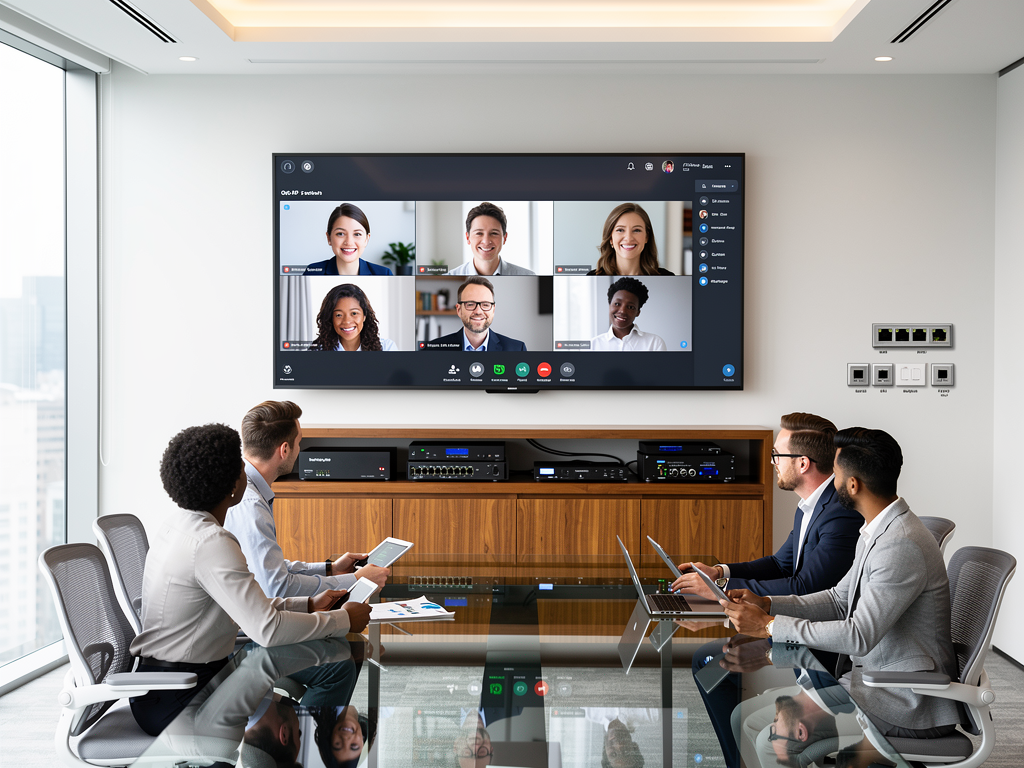
Comprehensive documentation supports both initial deployment and ongoing operations. Network diagrams, configuration standards, and operational procedures should be created and maintained throughout the project lifecycle. This documentation proves invaluable for troubleshooting, training new staff, and planning future expansions.
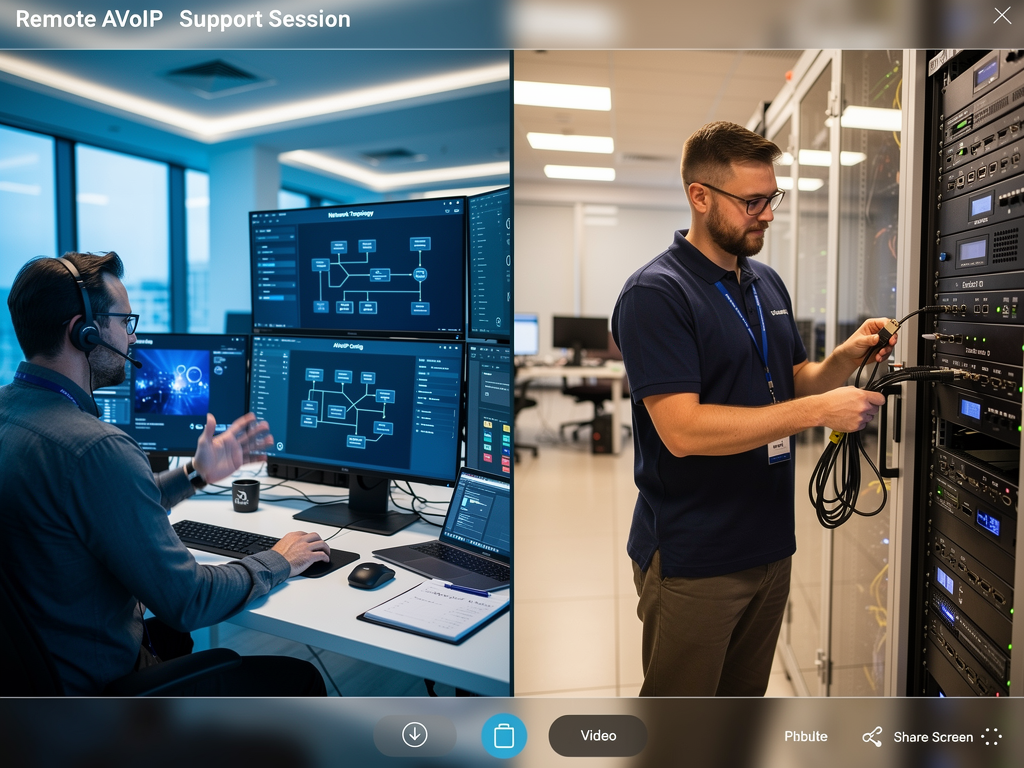
Vendor partnerships provide access to expertise and support that accelerates integration success. Working with manufacturers like BZBGEAR, Netvio, and ADTECHNO who offer comprehensive technical support ensures that complex integration challenges can be resolved quickly. Many vendors also provide design assistance and configuration guidance that improves project outcomes.
Planning for Future Growth and Technology Evolution
AVoIP technology continues advancing rapidly, with new protocols, higher resolutions, and enhanced features emerging regularly. Designing integrations with future growth in mind protects your investment and simplifies future upgrades. Forward-thinking approaches ensure that today's deployments remain valuable for years to come.
Network infrastructure investments should anticipate increasing bandwidth demands. While current requirements may be satisfied by gigabit connections, planning for 10 Gigabit or faster connectivity in critical paths provides headroom for future growth. Selecting switches and cabling that support higher speeds, even if not immediately utilized, reduces future upgrade costs.
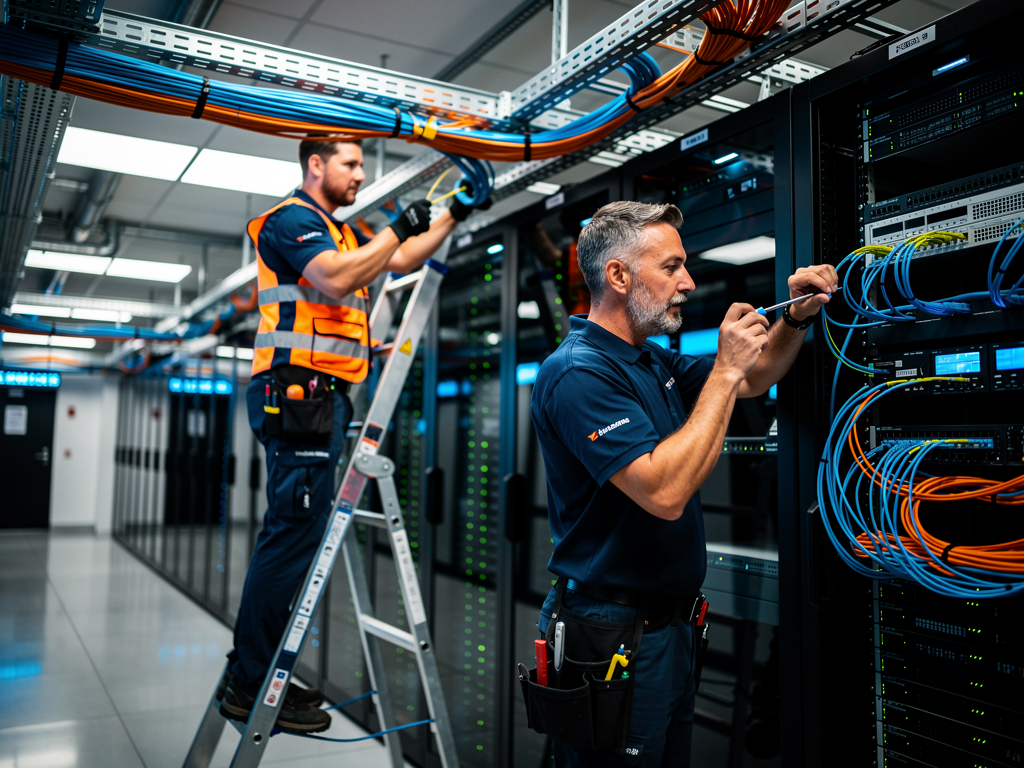
Modular AVoIP solutions provide flexibility for evolving requirements. Products from manufacturers like TiGHT AV and Craltech are designed with expandability in mind, allowing organizations to add capacity or capabilities without replacing existing equipment. This modular approach protects initial investments while accommodating changing needs.
Staying informed about technology trends enables proactive planning. Participating in industry events, following manufacturer announcements, and engaging with the AVoIP Solutions Directory keeps your team aware of emerging capabilities and best practices. This knowledge informs strategic decisions and ensures that your organization remains positioned to leverage new technologies as they mature.

Conclusion: Building a Foundation for Success
Integrating AVoIP systems with existing IT infrastructure represents both a challenge and an opportunity. Organizations that approach this integration thoughtfully, with proper planning, cross-functional collaboration, and attention to best practices, achieve superior results. The convergence of AV and IT creates more flexible, scalable, and manageable systems that deliver lasting value.
Success requires commitment from both AV and IT teams, supported by leadership that understands the strategic importance of converged infrastructure. By following the guidance outlined in this article and leveraging the expertise of quality manufacturers, your organization can navigate the integration process confidently and build a foundation that supports current needs while preparing for future growth.
Comments(0)