Integrate AVoIP with Existing AV Infrastructure: A Step-by-Step Guide
Transition to Audio Video over IP (AVoIP) seamlessly. This guide covers assessing current AV, network requirements, equipment selection, and phased migration for corporate, education, and entertainment venues.
Micha van der Stoop

How to Integrate AVoIP with Existing AV Infrastructure: A Step-by-Step Guide
Transitioning from traditional AV systems to Audio Video over IP technology represents one of the most significant upgrades a facility can undertake. Whether you manage a corporate campus, educational institution, or entertainment venue, integrating AVoIP with your existing infrastructure requires careful planning, strategic execution, and a thorough understanding of both legacy systems and modern network-based solutions. This comprehensive guide walks you through every critical phase of integration, ensuring your transition delivers maximum value while minimizing disruption to daily operations.
Assessing Your Current AV Infrastructure
Before purchasing any new equipment or making network modifications, you must conduct a thorough audit of your existing AV ecosystem. Document every component currently in use, including matrix switchers, extenders, displays, source devices, and control systems. Create detailed floor plans showing cable runs, equipment locations, and signal flow diagrams. This documentation becomes invaluable during the integration process and helps identify potential bottlenecks or compatibility challenges.
Evaluate the age and condition of your current equipment. Some legacy devices may integrate seamlessly with AVoIP solutions through proper encoding and decoding, while others might require replacement. Pay particular attention to your display infrastructure, as modern AVoIP systems can breathe new life into existing screens by providing flexible content distribution that was previously impossible with point-to-point connections.
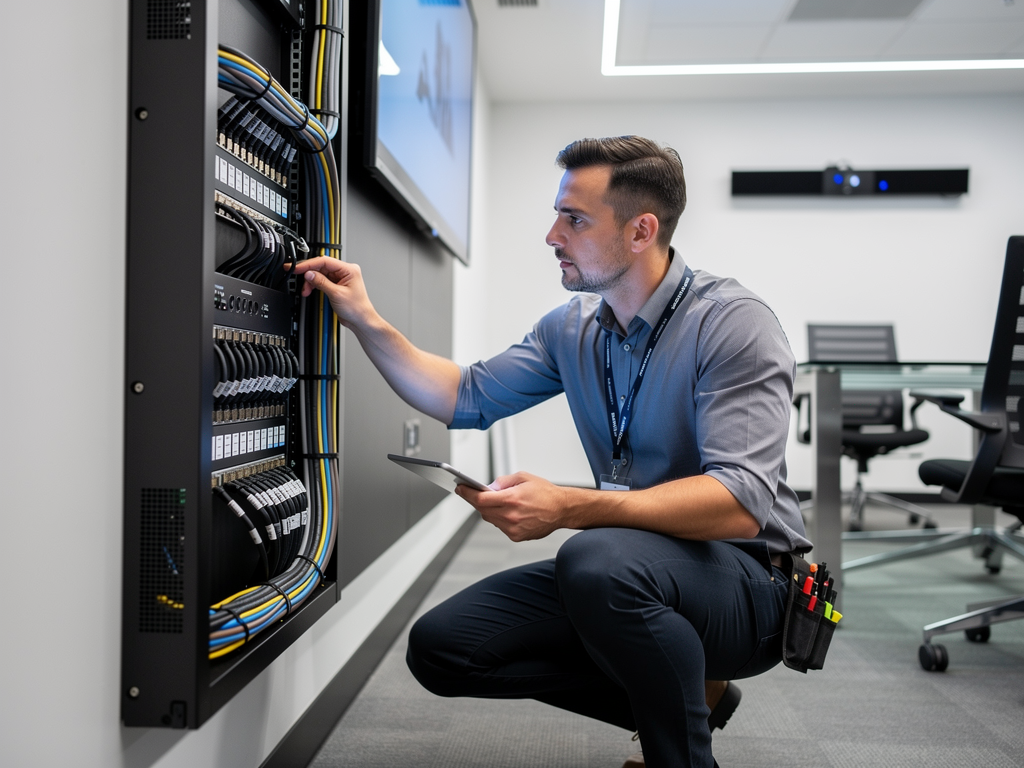
Consider engaging with manufacturers who offer comprehensive product lines that address various integration scenarios. Companies like Visionary AV and their E5000 encoder series provide solutions specifically designed to bridge legacy systems with modern IP-based distribution, making them excellent choices for phased migration approaches.
Network Infrastructure Requirements and Preparation
The network backbone represents the most critical element of any AVoIP deployment. Unlike traditional AV systems that rely on dedicated cabling for each signal path, AVoIP leverages your existing network infrastructure, but this infrastructure must meet specific requirements to handle the bandwidth demands of uncompressed or lightly compressed video streams.
For 4K60 content distribution, plan for gigabit connectivity at minimum, with 10 gigabit uplinks between switches. IGMP snooping and querier functionality become essential for managing multicast traffic efficiently. Without proper multicast configuration, your network will quickly become overwhelmed as video streams flood every port rather than being intelligently directed only to requesting endpoints.
Quality of Service configurations deserve careful attention during network preparation. AVoIP traffic requires prioritization over standard data traffic to prevent latency, jitter, and packet loss that would manifest as visual artifacts or audio dropouts. Work closely with your IT department to establish dedicated VLANs for AV traffic, implementing appropriate QoS policies that guarantee bandwidth availability for time-sensitive media streams.

Consider the physical layer requirements as well. While AVoIP eliminates the need for specialized AV cabling, it does require properly terminated Category 6 or higher cabling throughout your facility. Conduct cable certification testing to verify that existing runs meet specifications, replacing any cables that fail to achieve required performance metrics.
Selecting Compatible AVoIP Equipment
Choosing the right encoders, decoders, and control systems requires balancing several factors including protocol compatibility, feature requirements, budget constraints, and vendor support quality. The AVoIP market offers numerous protocols, each with distinct advantages for specific applications.
For environments requiring ultra-low latency, such as live production or gaming applications, solutions based on SDVoE or similar visually lossless compression technologies deliver frame-accurate performance. Dante AV Ultra has emerged as a compelling option for facilities already utilizing Dante audio infrastructure, as products like those from Zenwin's VPX series enable unified audio and video distribution over common network infrastructure.
When evaluating specific products, prioritize manufacturers offering comprehensive ecosystem support. BZBGEAR and Craltech provide extensive product lines that include not only encoders and decoders but also multiviewers, controllers, and management software that work together seamlessly. This ecosystem approach simplifies integration and reduces troubleshooting complexity when issues arise.
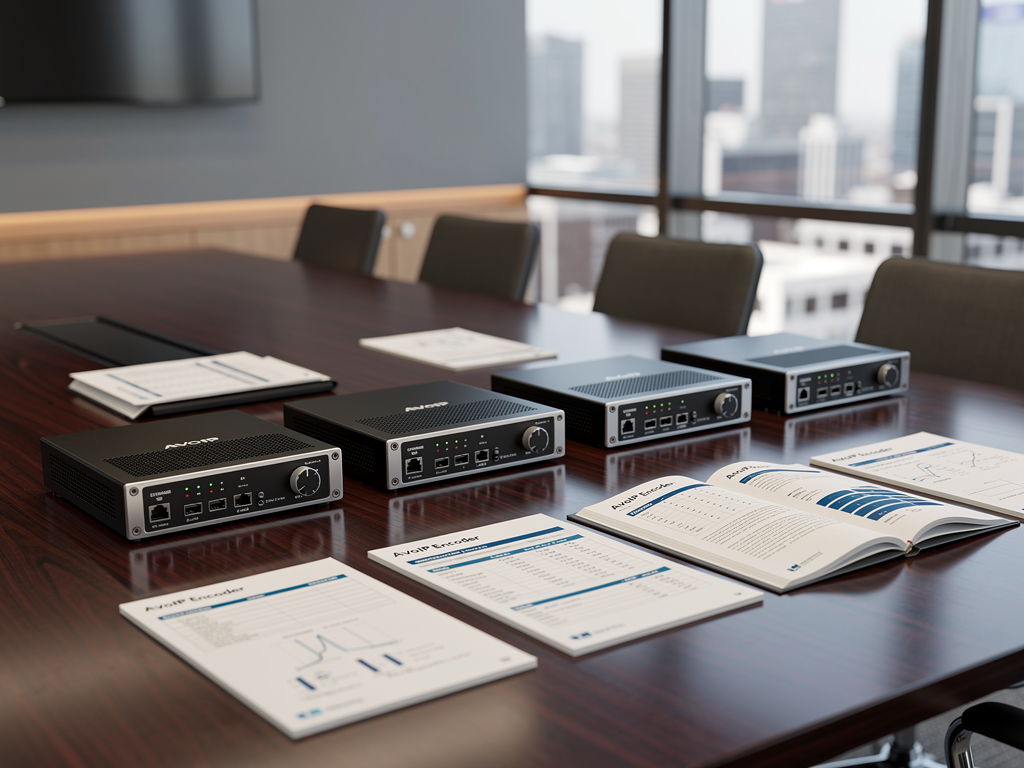
Budget considerations should account for total cost of ownership rather than initial purchase price alone. Products from manufacturers like TiGHT AV and ADTECHNO often deliver exceptional value by combining competitive pricing with robust feature sets and reliable long-term performance. Factor in warranty coverage, firmware update policies, and technical support availability when making final selections.
Implementation Strategy: Phased Migration Approach
Attempting to replace your entire AV infrastructure simultaneously creates unnecessary risk and operational disruption. Instead, adopt a phased migration strategy that allows gradual transition while maintaining system functionality throughout the process. This approach also enables your technical staff to develop expertise with new equipment before facing complex troubleshooting scenarios.
Begin with a pilot deployment in a single conference room or presentation space. Install encoders at source locations and decoders at display endpoints, configuring the network segment to support AVoIP traffic. Use this pilot environment to validate equipment performance, refine network configurations, and develop standard operating procedures that will guide larger deployments.
Document everything during the pilot phase. Create detailed installation guides, network configuration templates, and troubleshooting flowcharts. These resources accelerate subsequent deployments and ensure consistency across your facility. Train key personnel on system operation and basic maintenance tasks, building internal expertise that reduces dependence on external support.

After successful pilot validation, expand deployment in logical phases based on facility priorities. High-traffic areas or spaces with the greatest operational impact often warrant early attention. Consider seasonal factors and organizational schedules, timing major installations during periods of reduced facility utilization when possible.
Control System Integration and User Interface Design
The most sophisticated AVoIP infrastructure delivers limited value if end users cannot operate it effectively. Control system integration transforms complex backend technology into intuitive user experiences that require minimal training. Modern AVoIP solutions offer multiple control integration pathways including API access, RS-232 serial communication, and native control system drivers.
When designing user interfaces, prioritize simplicity over comprehensiveness. Users should accomplish common tasks with minimal button presses or screen taps. Reserve advanced functionality for administrative interfaces accessed only by trained personnel. Consider implementing role-based access controls that present different interface options based on user credentials.
Products from manufacturers like Netvio often include built-in web interfaces that simplify initial configuration and ongoing management. These browser-based tools reduce the need for specialized software while providing comprehensive access to system settings and status information. Leverage these capabilities during deployment to streamline commissioning workflows.
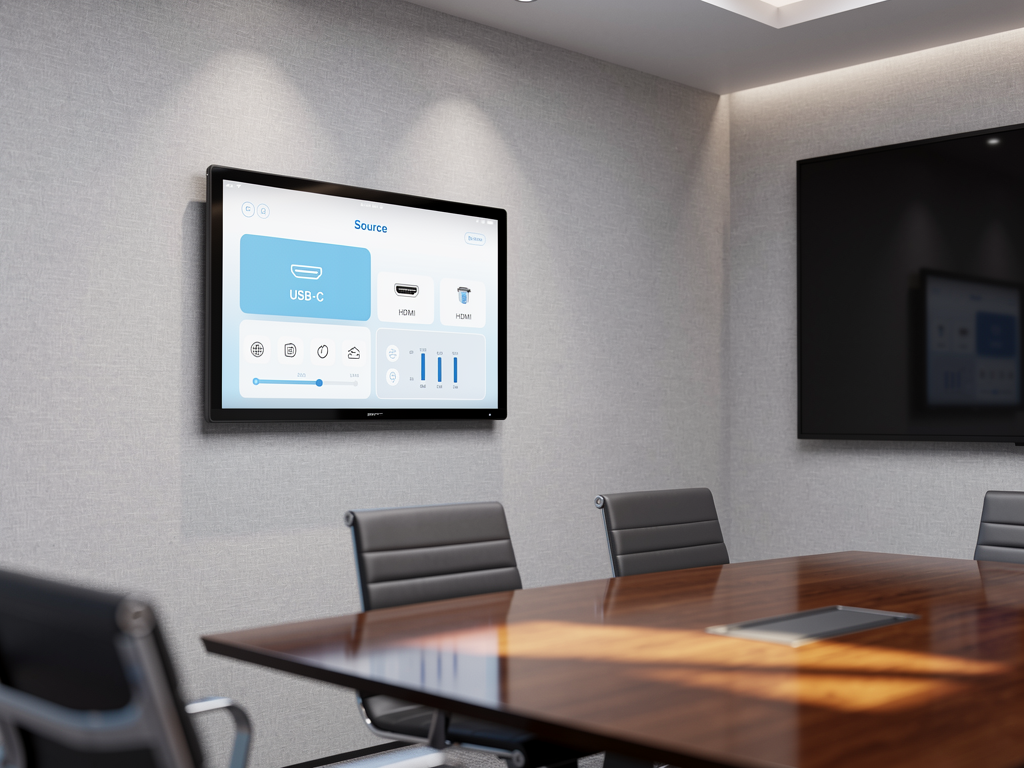
Test control system integration thoroughly before declaring spaces operational. Verify that all switching scenarios function correctly, that volume controls respond appropriately, and that display power commands execute reliably. Edge cases and unusual usage patterns often reveal integration issues that require attention before end users encounter them.
Testing, Validation, and Performance Optimization
Comprehensive testing validates that your integrated AVoIP system meets performance requirements and user expectations. Develop test protocols that exercise every system capability, from basic source switching to complex multiview configurations. Document test results systematically, creating baseline performance records that facilitate future troubleshooting.
Network performance monitoring deserves ongoing attention beyond initial deployment. Implement monitoring tools that track bandwidth utilization, packet loss rates, and latency metrics across your AVoIP infrastructure. Establish alerting thresholds that notify technical staff when performance degrades before users experience visible problems.

Conduct user acceptance testing with actual end users before finalizing deployments. Their feedback often reveals usability issues that technical personnel overlook. Incorporate this feedback into interface refinements and training material updates, ensuring that the delivered system truly meets operational requirements.
Maintenance, Support, and Future Expansion Planning
Successful AVoIP integration extends beyond initial deployment to encompass ongoing maintenance and strategic planning for future expansion. Establish firmware update schedules that balance security and feature improvements against operational stability. Most manufacturers release periodic updates that address bugs, enhance performance, and add capabilities.

Document your system architecture comprehensively, including network diagrams, IP address assignments, configuration backups, and equipment inventories. Store this documentation in accessible locations and update it whenever changes occur. This documentation proves invaluable during troubleshooting scenarios and when onboarding new technical staff.
Plan for future expansion from the beginning. Select network switches with available port capacity, choose control systems that accommodate additional endpoints, and maintain relationships with vendors who can supply compatible equipment as your needs grow. The scalability inherent in AVoIP technology represents one of its greatest advantages over traditional systems.

Real-World Success Factors and Best Practices
Organizations achieving the greatest success with AVoIP integration share common characteristics. They invest adequately in network infrastructure before deploying endpoints. They engage stakeholders from both AV and IT departments throughout the planning process. They prioritize training and documentation alongside equipment procurement.

Avoid common pitfalls by resisting the temptation to cut corners on network infrastructure. Inadequate switching capacity or improper VLAN configuration creates problems that persist throughout system lifecycle. Similarly, selecting equipment based solely on price without considering ecosystem compatibility often results in integration challenges and limited functionality.
Leverage the expertise available through manufacturer technical support and industry resources. The AVoIP Solutions Directory provides comprehensive information about products from leading manufacturers, enabling informed purchasing decisions. Participate in industry forums and user communities where practitioners share experiences and solutions to common challenges.
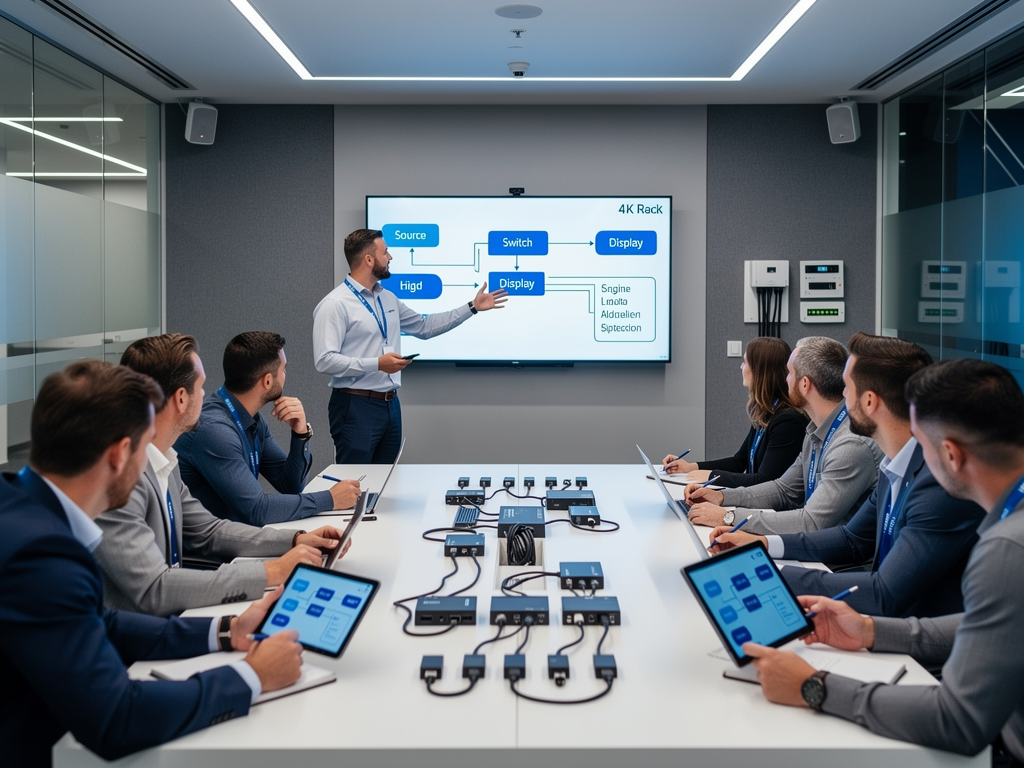
Integrating AVoIP with existing AV infrastructure requires careful planning, appropriate equipment selection, and methodical implementation. By following the strategies outlined in this guide, you position your organization to realize the full benefits of network-based AV distribution while protecting existing technology investments. The flexibility, scalability, and capability improvements that AVoIP delivers justify the effort required for successful integration, transforming how your facility manages and distributes audiovisual content for years to come.
Comments(0)