Designing Redundant AVoIP Systems for Mission-Critical Environments
Explore essential strategies for designing redundant AV over IP (AVoIP) systems that ensure continuous operation in mission-critical environments like broadcast, healthcare, and command centers. Learn about network topology, encoder/decoder redundancy, and power considerations to prevent system failures.
Micha van der Stoop
Designing Redundant AVoIP Systems for Mission-Critical Environments
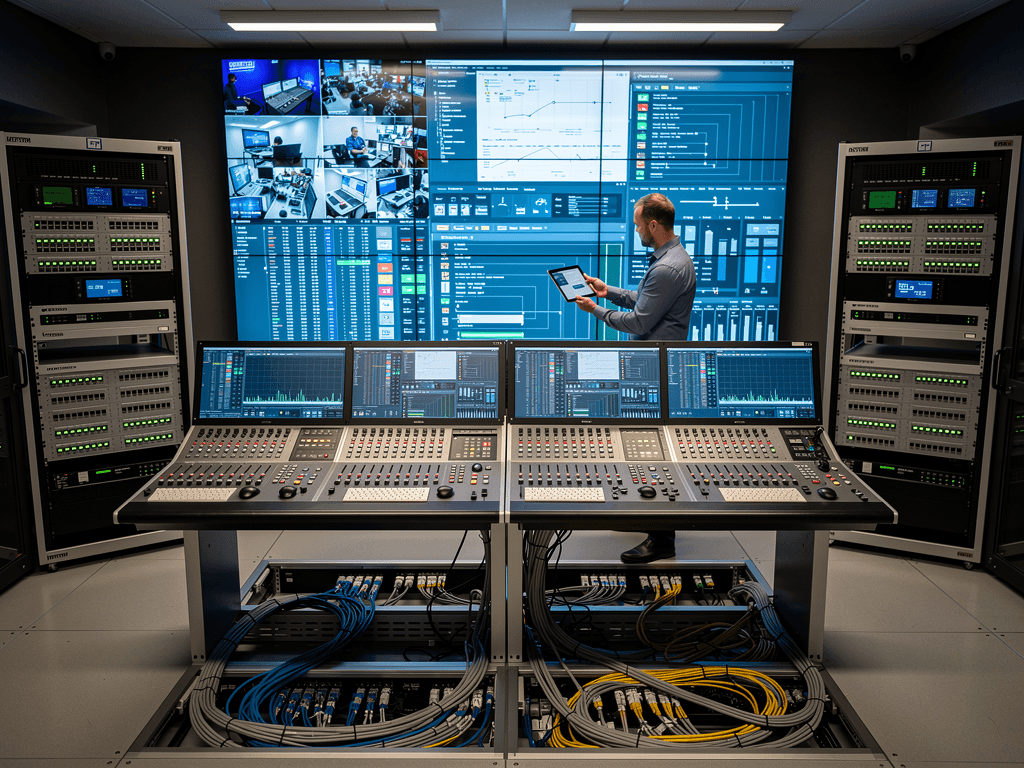
When a live broadcast goes dark during a championship game or a surgical display freezes mid-procedure, the consequences extend far beyond technical inconvenience. Mission-critical environments demand AV over IP systems that simply cannot fail. Designing redundancy into these systems requires careful planning, strategic component selection, and a deep understanding of network architecture principles that keep video and audio flowing regardless of individual component failures.
This comprehensive guide explores the essential strategies, hardware considerations, and network configurations that ensure your AVoIP deployment maintains continuous operation when stakes are highest. Whether you are designing for broadcast facilities, healthcare institutions, command centers, or live event venues, these principles will help you build systems that deliver unwavering reliability.
Understanding Mission-Critical Requirements and Failure Modes
Before designing redundancy into any AVoIP system, you must first understand what failure actually means in your specific context. Mission-critical environments vary dramatically in their tolerance for downtime. A hospital operating room displaying vital patient imaging cannot tolerate even seconds of interruption, while a corporate boardroom might accept brief disruptions during a quarterly presentation. Defining your recovery time objective establishes the foundation for every subsequent design decision.

Common failure modes in AVoIP systems include encoder or decoder hardware failures, network switch failures, cable breaks, power supply failures, and software crashes. Each failure mode requires its own mitigation strategy. Hardware failures demand spare units or hot-standby configurations. Network failures require redundant paths and rapid failover protocols. Power failures necessitate uninterruptible power supplies and generator backup systems. Understanding these failure modes helps you allocate budget effectively toward the vulnerabilities that pose greatest risk to your specific operation.
The cost of downtime calculation should drive your redundancy investment. When a broadcast facility loses signal during a major sporting event, the financial impact can reach hundreds of thousands of dollars per minute in lost advertising revenue and contractual penalties. Healthcare facilities face potential liability issues and, more importantly, patient safety concerns. Command centers supporting emergency response operations could see lives endangered by system failures. These calculations justify the additional investment in redundant architectures.
Network Topology Strategies for Continuous Operation
The network infrastructure supporting your AVoIP system represents the most critical layer for redundancy planning. A single point of failure in your network topology can render all your redundant encoders and decoders useless. Implementing proper network redundancy requires understanding several key architectural approaches that provide automatic failover capabilities.
Spine-leaf architecture has become the preferred topology for mission-critical AVoIP deployments. This design eliminates the traditional core-distribution-access model's single points of failure by providing multiple equal-cost paths between any two endpoints. Every leaf switch connects to every spine switch, ensuring that the failure of any single switch still leaves multiple paths available for traffic. This architecture also provides predictable latency characteristics essential for real-time video transmission.
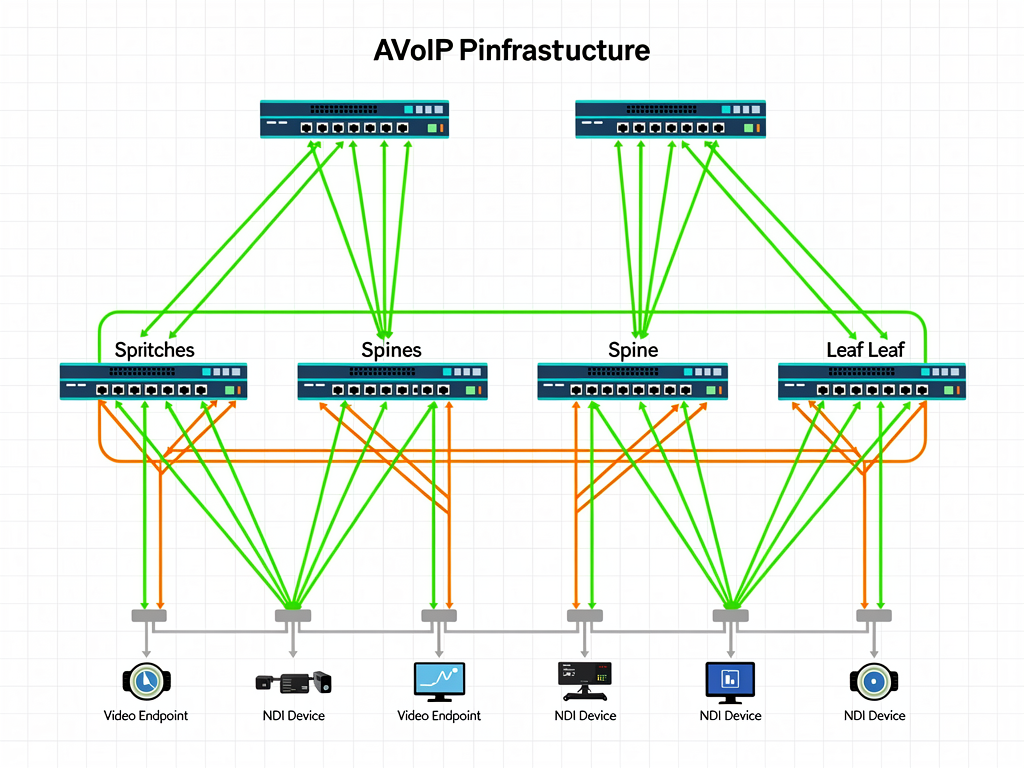
Link aggregation groups combine multiple physical connections into single logical links, providing both increased bandwidth and redundancy. When properly configured with Link Aggregation Control Protocol, these bundled connections automatically redistribute traffic when individual links fail. For AVoIP applications, this means your video streams continue flowing even when cables are accidentally disconnected or switch ports fail. Manufacturers like TiGHT AV offer encoders and decoders with dual network interfaces specifically designed for this redundant connectivity approach.
Virtual Router Redundancy Protocol and similar first-hop redundancy protocols ensure that your AVoIP endpoints always have a valid gateway address, even when their primary router fails. These protocols maintain virtual IP addresses that automatically migrate between physical routers, providing seamless failover that requires no reconfiguration of your encoders or decoders. Implementing VRRP or its alternatives should be standard practice in any mission-critical AVoIP deployment.
Encoder and Decoder Redundancy Configurations
Beyond network infrastructure, the AVoIP endpoints themselves require redundancy strategies appropriate to your criticality requirements. Several approaches exist, each offering different tradeoffs between cost, complexity, and recovery time.
Hot standby configurations maintain fully powered and configured backup units that can assume operation within seconds of primary unit failure. This approach requires automatic failover mechanisms, typically implemented through control system programming or dedicated failover controllers. Products from manufacturers like BZBGEAR provide built-in failover capabilities that simplify hot standby implementations. The backup encoder continuously monitors the primary unit's output and automatically takes over transmission when failures are detected.
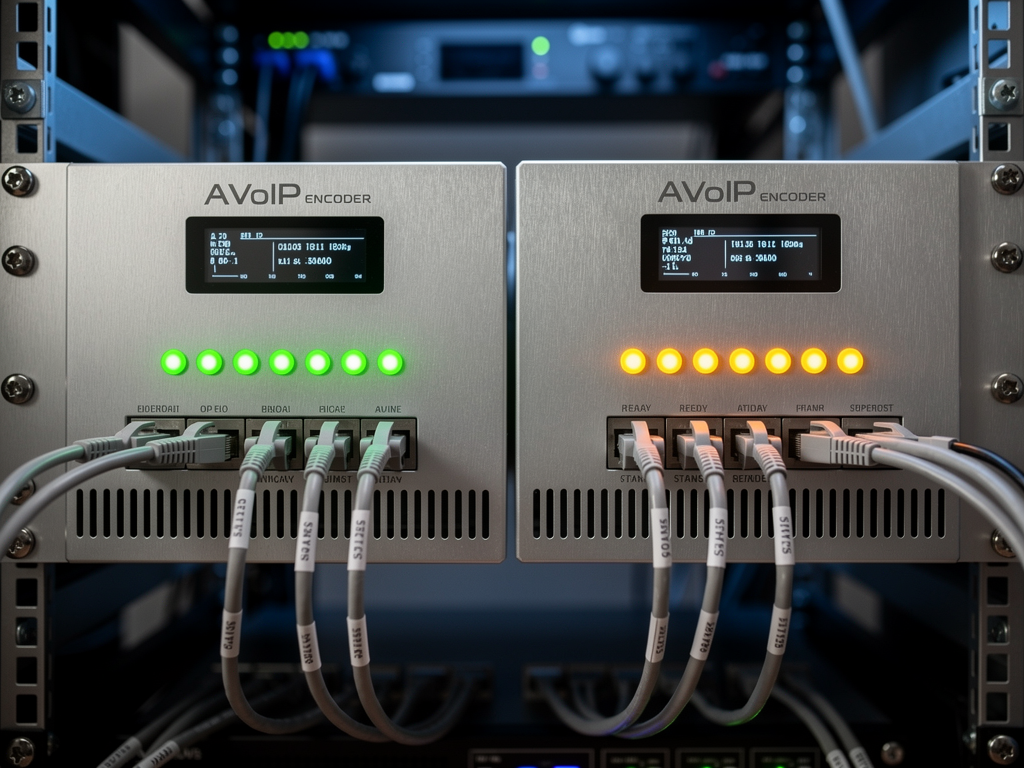
Simultaneous encoding provides the highest level of source redundancy by having two encoders process the same video input in parallel. Both encoded streams travel across the network, with decoders or downstream systems selecting the best available stream. This approach eliminates any switching delay because the backup stream is always available. While this doubles your encoder count and network bandwidth requirements, it provides instantaneous failover that mission-critical applications often demand.
Decoder redundancy follows similar patterns but requires additional consideration for display synchronization. When backup decoders take over, they must seamlessly continue playback without visible glitches or synchronization issues. Advanced AVoIP systems from manufacturers like Visionary AV include genlock and frame synchronization features that ensure smooth transitions between primary and backup decoders. These capabilities prove essential in broadcast environments where any visible disruption is unacceptable.
Power and Environmental Redundancy Considerations
Even the most sophisticated network and equipment redundancy becomes worthless without reliable power. Mission-critical AVoIP systems require comprehensive power redundancy strategies that address both short-term interruptions and extended outages.
Dual power supplies represent the minimum acceptable configuration for mission-critical AVoIP equipment. Many professional-grade encoders and decoders, including models from ADTECHNO and Craltech, offer redundant power supply options that allow continued operation when one supply fails. These units should connect to separate power circuits, ideally fed from different uninterruptible power supply systems, to eliminate single points of failure in your power distribution.
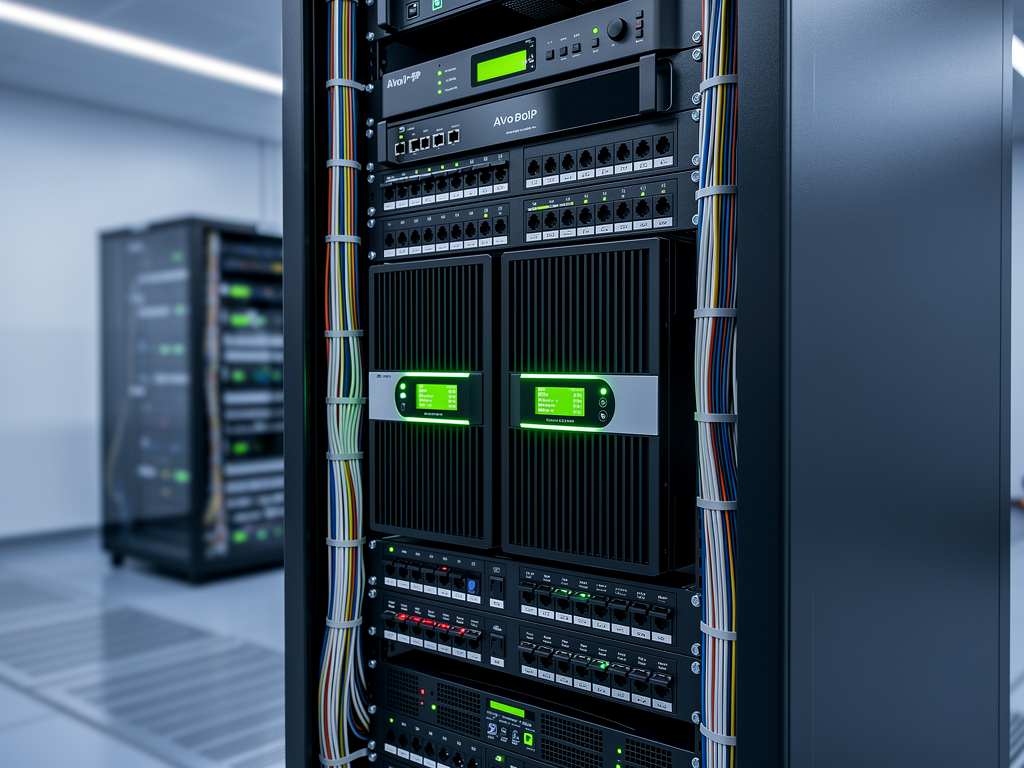
Uninterruptible power supply systems must be sized not only for your AVoIP equipment but also for the network switches, control systems, and cooling equipment that support them. Runtime calculations should account for generator start-up time plus a safety margin. For facilities without generator backup, UPS systems must provide sufficient runtime for graceful shutdown procedures or for the expected duration of typical power outages in your region.
Environmental monitoring systems detect conditions that could lead to equipment failure before they cause outages. Temperature sensors, humidity monitors, and water detection systems provide early warning of conditions that could damage sensitive AVoIP equipment. Integrating these sensors with your control system enables automatic alerts and, in some cases, automated responses such as activating backup cooling systems or shutting down non-essential equipment to reduce heat load.
Control System Architecture for Failover Management
The control system orchestrating your AVoIP infrastructure requires its own redundancy strategy. A failed control processor can leave operators unable to switch sources, adjust routing, or respond to problems, even when all AVoIP equipment remains functional.
Redundant control processors operating in active-standby or active-active configurations ensure continuous management capability. Modern control systems support automatic state synchronization between primary and backup processors, allowing seamless takeover without losing routing configurations or scheduled events. The backup processor continuously monitors the primary and assumes control within seconds of detecting failure.
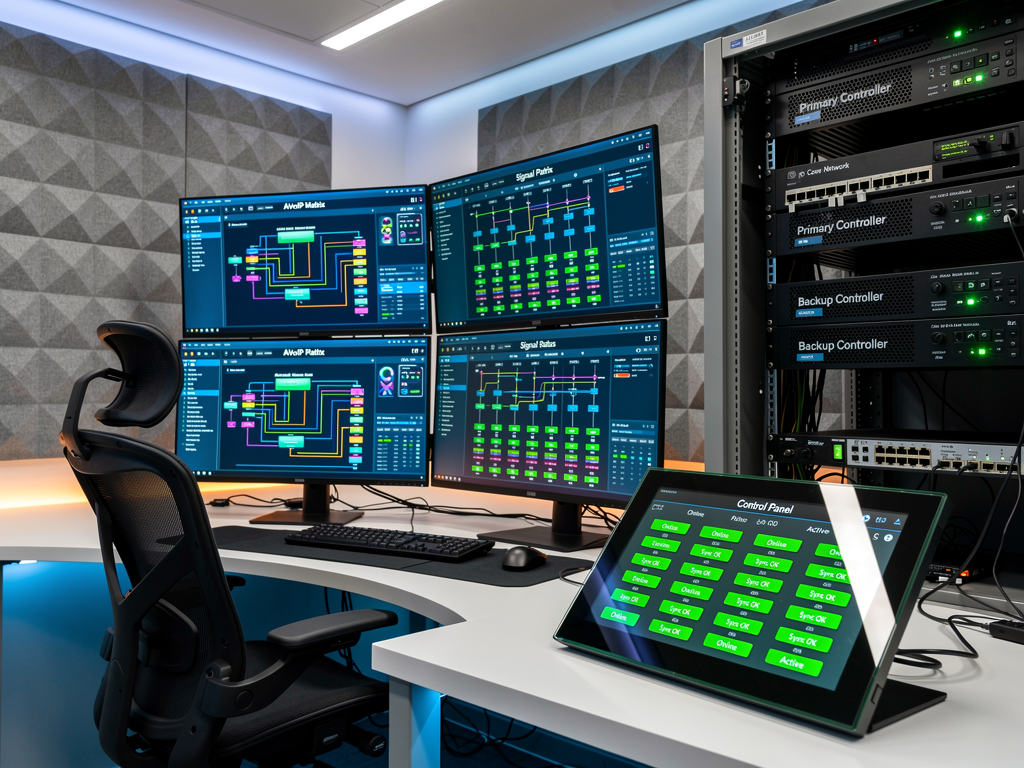
Distributed control architectures reduce dependence on central processors by embedding intelligence at the edge. Many AVoIP products from manufacturers like Netvio include local processing capabilities that allow basic operation even when central control systems fail. Operators can use local interfaces to switch sources or adjust settings, maintaining essential functionality during control system recovery.
Manual override capabilities should never be overlooked. Despite sophisticated automation, mission-critical environments benefit from physical switches or simple network-based tools that allow operators to force specific routing configurations without depending on complex control system programming. These manual overrides serve as the last line of defense when automated failover systems encounter unexpected conditions.
Testing and Validation Procedures for Redundant Systems
Redundancy that has never been tested provides false confidence. Regular validation of failover mechanisms ensures that your investment in redundant architecture actually delivers protection when failures occur. Establishing comprehensive testing procedures and schedules is essential for maintaining mission-critical reliability.
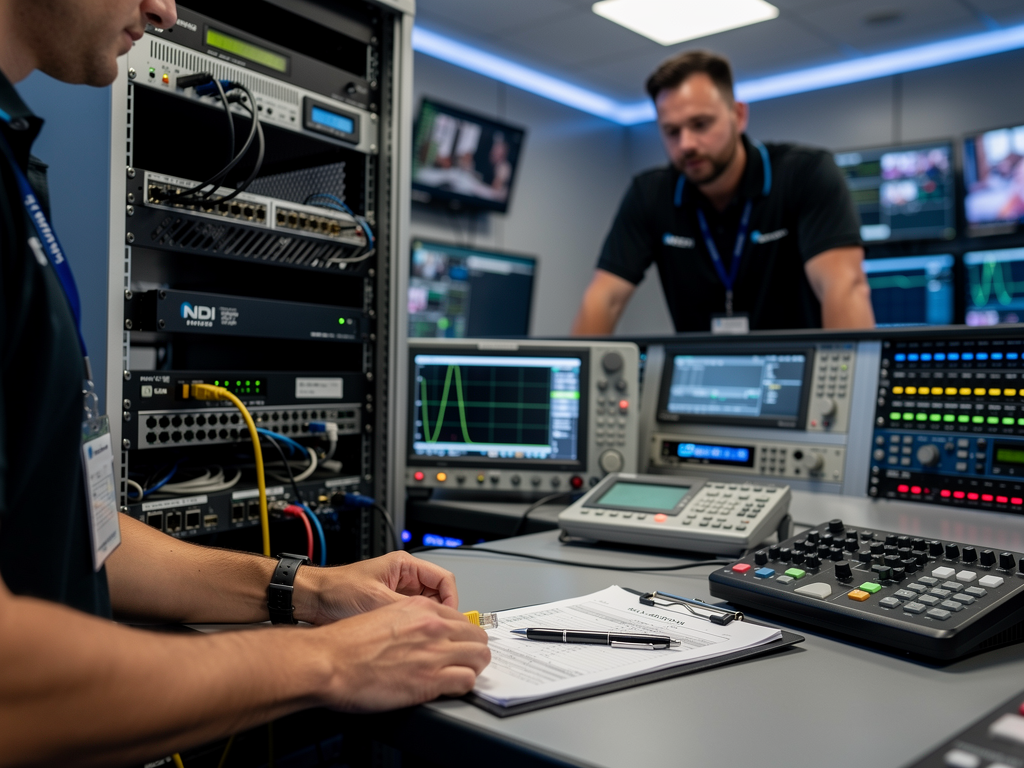
Scheduled failover drills should simulate each identified failure mode and verify that automated systems respond correctly. Document the actual failover time achieved and compare it against your recovery time objectives. Any discrepancies require investigation and remediation before actual failures occur. These drills also familiarize operations staff with failover procedures and system behavior, reducing confusion during real incidents.
Component-level testing verifies that individual redundant elements function correctly. Test backup power supplies by disconnecting primary supplies during maintenance windows. Verify network path redundancy by disabling individual links and confirming traffic reroutes correctly. Test backup encoders and decoders by forcing failovers and measuring transition quality. This granular testing catches problems that system-level drills might miss.
Documentation and Operational Procedures
Comprehensive documentation transforms redundant system design into operational reliability. Without clear procedures, even well-designed redundancy can fail to protect against outages when operators make incorrect decisions under pressure.
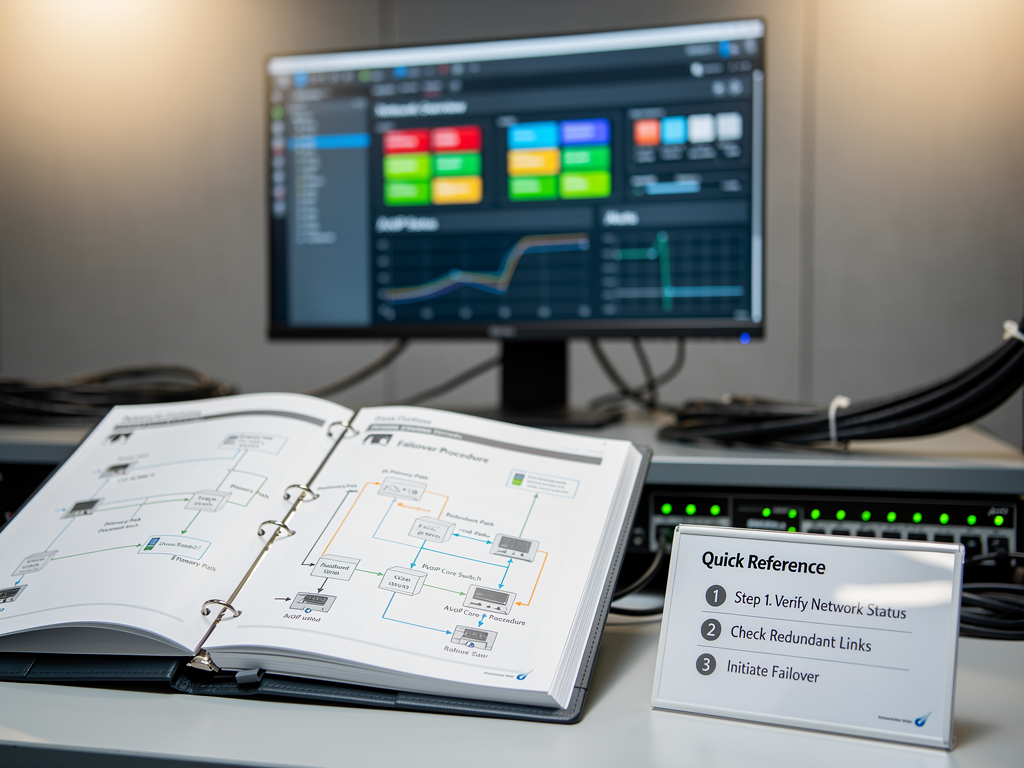
Network diagrams must accurately reflect all redundant paths, including physical cable routes and logical configurations. These diagrams should clearly identify which components provide redundancy for which functions, helping operators understand system behavior during partial failures. Keep diagrams updated as systems evolve, and conduct regular audits to verify documentation accuracy.
Runbook procedures provide step-by-step guidance for responding to specific failure scenarios. These procedures should cover both automated failover verification and manual intervention steps when automation fails. Include contact information for escalation, spare parts locations, and vendor support resources. Regular review and updates ensure runbooks remain relevant as systems and personnel change.
Cost Optimization Strategies for Redundant Deployments
Building redundancy into AVoIP systems inevitably increases costs, but strategic approaches can maximize protection while minimizing budget impact. Understanding where to invest in full redundancy versus where acceptable risks exist helps optimize your overall system design.

Tiered redundancy applies different levels of protection based on signal criticality. Primary program feeds might warrant full simultaneous encoding with hot standby decoders, while confidence monitors might operate with cold spare equipment that requires manual intervention to deploy. This tiered approach concentrates investment where failures have greatest impact.
Shared spare pools reduce the total number of backup units required by maintaining common spares that can replace any failed unit of a given type. This approach works well when you have multiple identical encoders or decoders distributed across a facility. The AVoIP Solutions Directory provides comprehensive product comparisons that help identify compatible units suitable for shared spare strategies.
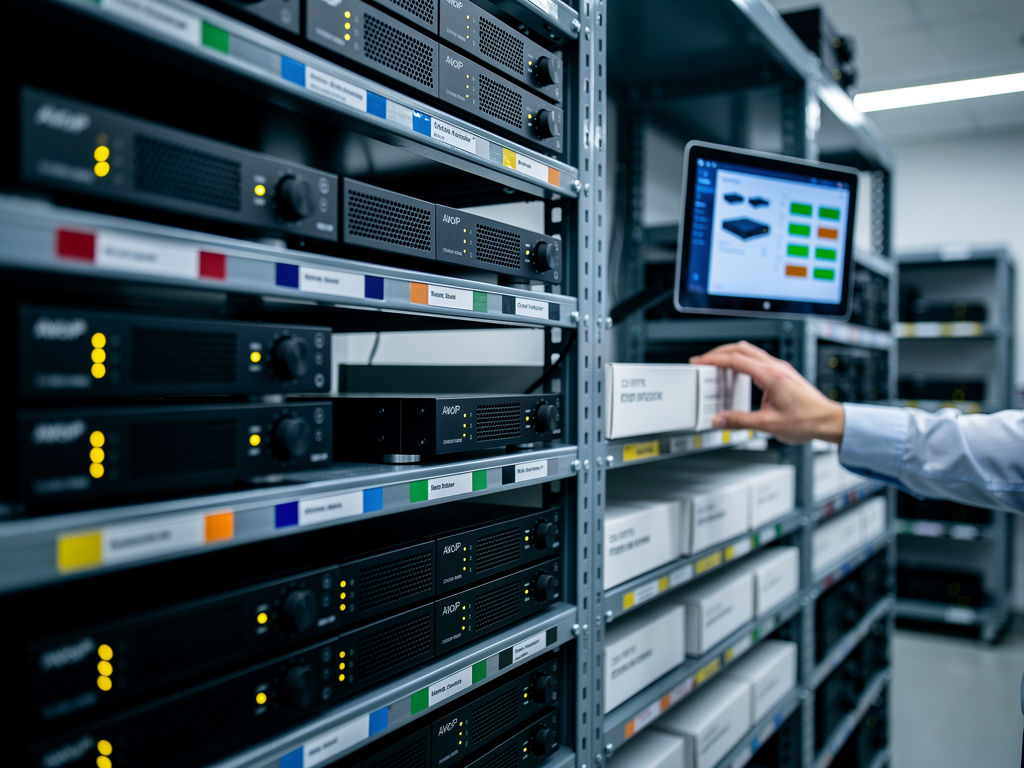
Standardization across your AVoIP deployment reduces spare inventory requirements and simplifies training. When all encoders come from a single manufacturer and model line, technicians need familiarity with only one platform, and spare units can serve any location. Manufacturers like TiGHT AV offer comprehensive product families that enable standardization across diverse application requirements while maintaining compatibility for spare equipment sharing.
Future-Proofing Your Redundant Architecture
Technology evolution continues to improve AVoIP reliability while introducing new capabilities that enhance redundancy options. Designing systems that can incorporate these advances protects your investment and improves long-term operational resilience.
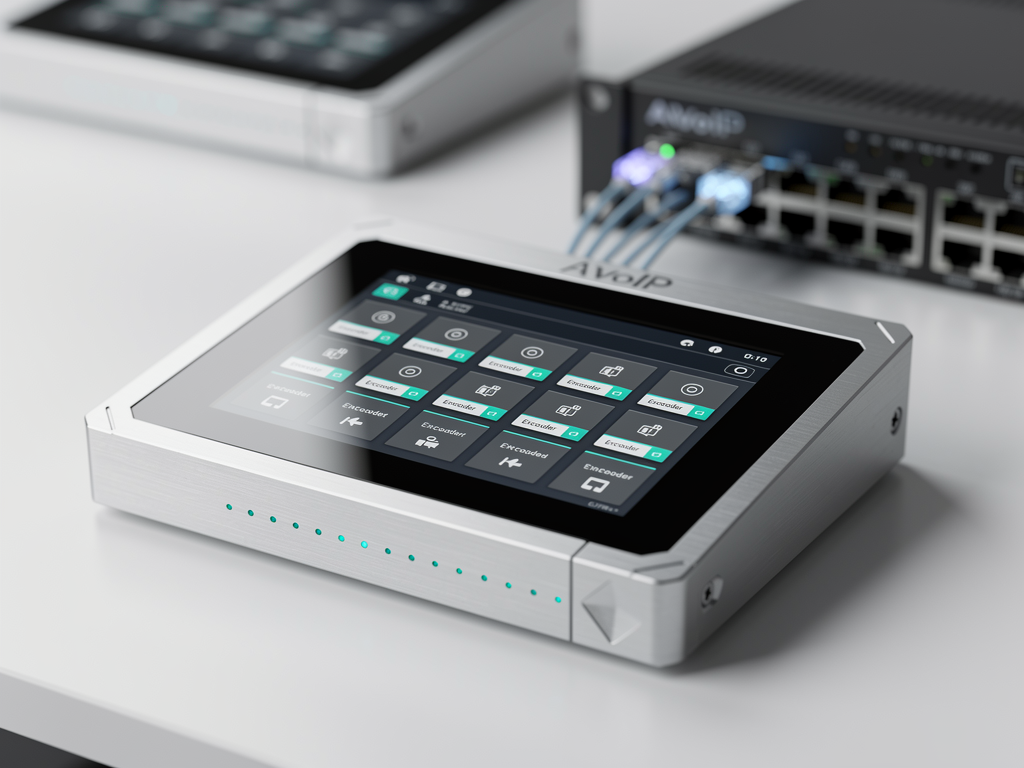
Software-defined approaches increasingly allow redundancy configurations that would have required dedicated hardware in previous generations. Virtualized encoders and decoders can spin up backup instances automatically when primary instances fail, leveraging standard server infrastructure rather than purpose-built AVoIP hardware. While not yet suitable for all mission-critical applications, these approaches continue maturing and merit consideration in long-term planning.
Cloud-based disaster recovery extends redundancy beyond physical facility boundaries. Some organizations now maintain cloud-based AVoIP processing capabilities that can assume operation if entire facilities become unavailable. This approach requires careful consideration of latency, bandwidth, and security requirements but offers protection against catastrophic facility-level failures that traditional redundancy cannot address.
Designing redundant AVoIP systems for mission-critical environments requires balancing technical sophistication with practical operational considerations. By understanding failure modes, implementing appropriate network and equipment redundancy, establishing rigorous testing procedures, and maintaining comprehensive documentation, you can build systems that deliver the reliability your most demanding applications require. The investment in redundancy pays dividends every time your system continues operating while others fail.
Comments(0)