AVoIP in High-Security Environments: Best Practices for Government & Defense
Discover critical best practices for deploying Audio Visual over IP (AVoIP) in government and defense installations. Learn about network segmentation, encryption, and physical security to meet stringent regulatory compliance and protect national security.
Micha van der Stoop
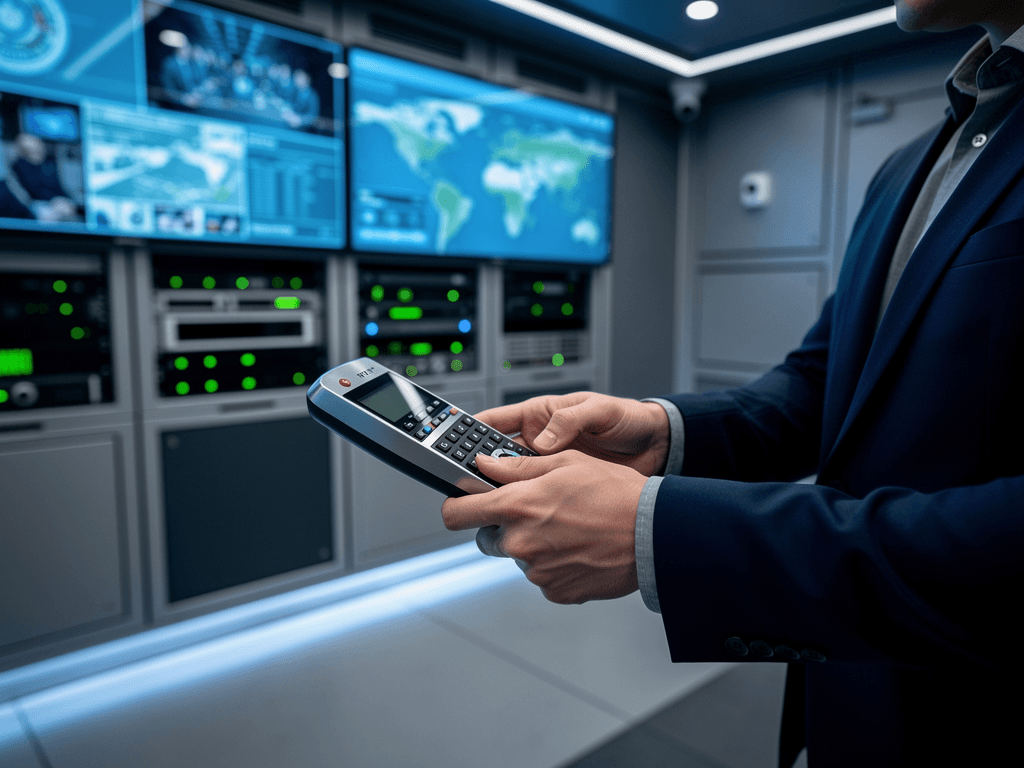
Deploying AVoIP in High-Security Environments: Best Practices for Government and Defense
Audio Visual over IP technology has transformed how organizations distribute video and audio content across facilities, but nowhere are the stakes higher than in government and defense installations. These environments demand exceptional security, reliability, and compliance with stringent regulations while still delivering the performance that modern command centers, secure briefing rooms, and classified workspaces require.
Successfully deploying AVoIP in high-security environments requires a fundamentally different approach than standard commercial installations. From network segmentation strategies to encryption protocols and physical security considerations, integrators and consultants must navigate a complex landscape where a single vulnerability could compromise national security. This comprehensive guide explores the critical best practices that ensure AVoIP deployments meet the exacting standards of government and defense applications.
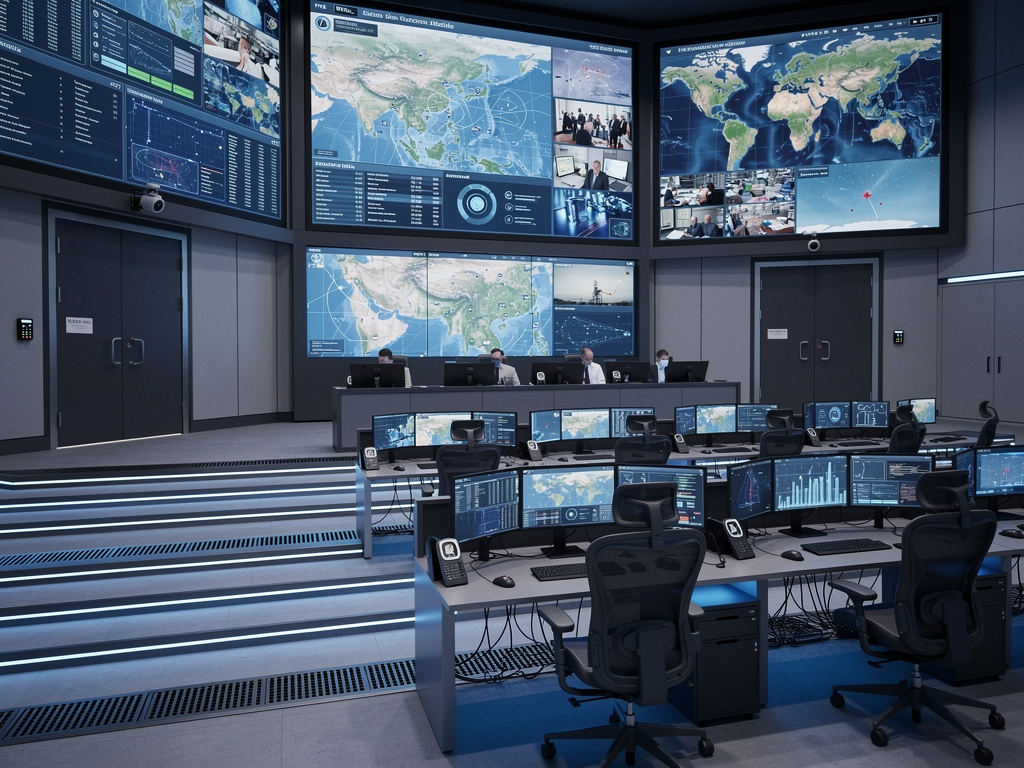
Understanding the Unique Security Requirements of Government Installations
Government and defense environments operate under regulatory frameworks that commercial installations rarely encounter. Standards such as NIST 800-53, FIPS 140-2, and various classification levels dictate how data, including audio and video streams, must be handled, transmitted, and protected. Before specifying any AVoIP equipment, consultants must thoroughly understand which compliance requirements apply to the specific installation.
Classification levels present particular challenges for AVoIP deployments. A facility handling Secret or Top Secret information requires air-gapped networks that cannot connect to unclassified systems. This means AVoIP infrastructure serving classified spaces must exist on entirely separate physical networks, with no possibility of cross-contamination. Even seemingly innocuous connections like shared power distribution or common cable pathways can raise concerns during security audits.
The concept of defense in depth applies directly to AVoIP architecture. Rather than relying on a single security measure, successful deployments layer multiple protections. This includes encrypted video streams, authenticated device access, network segmentation, physical security controls, and comprehensive logging. Each layer provides protection if another fails, creating a resilient security posture that satisfies the most demanding requirements.
Manufacturers like Visionary AV and Craltech have developed products specifically addressing these concerns, offering features like AES-256 encryption, 802.1X authentication, and detailed audit logging that government installations require. Selecting equipment with these capabilities built in, rather than added as afterthoughts, significantly simplifies compliance efforts.
Network Architecture Strategies for Secure AVoIP Deployment
The network architecture supporting AVoIP in high-security environments differs substantially from standard enterprise deployments. Physical network separation remains the gold standard for classified installations, meaning entirely separate switches, cabling, and infrastructure for different security levels. While this increases cost and complexity, it eliminates the risk of data leakage between classification levels.
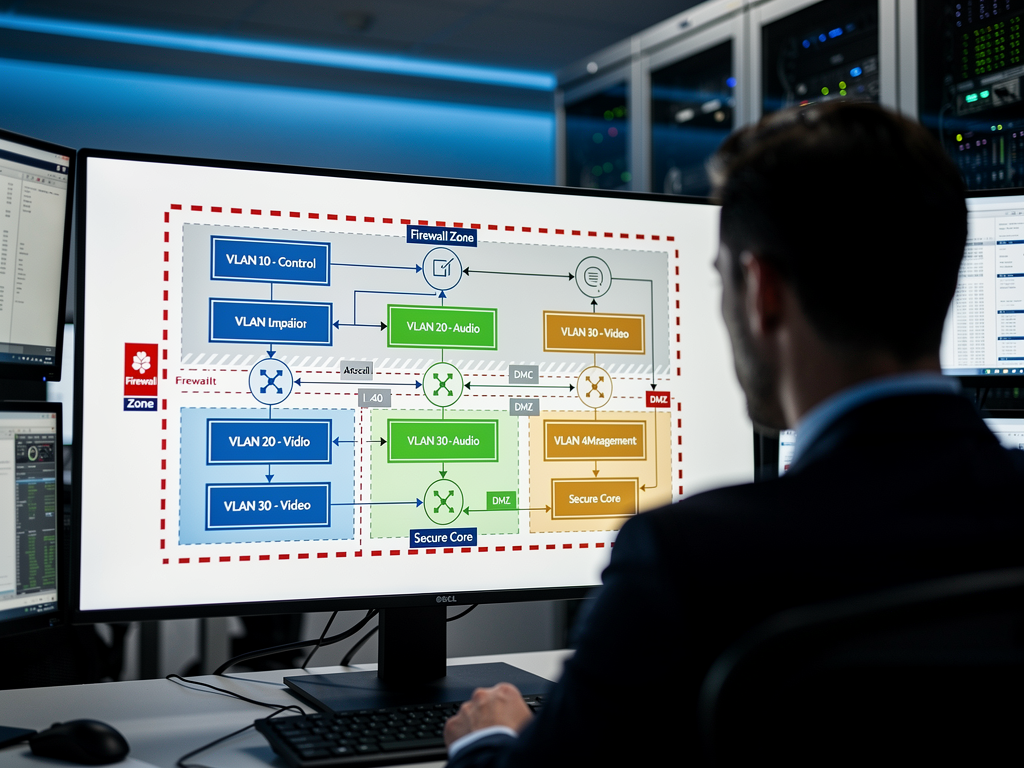
For unclassified but sensitive environments, virtual local area networks provide logical separation while sharing physical infrastructure. However, VLAN hopping attacks remain a concern, so additional measures like private VLANs, access control lists, and dedicated management networks add necessary protection layers. The AVoIP traffic should never share VLANs with general user data or internet-facing systems.
Multicast traffic management requires special attention in secure environments. While multicast efficiently distributes video streams to multiple endpoints, improper configuration can allow unauthorized devices to receive sensitive content. IGMP snooping, PIM configuration, and multicast boundaries must be carefully planned to ensure streams reach only authorized destinations.
Products from manufacturers like TiGHT AV and BZBGEAR support sophisticated network configurations including VLAN tagging, jumbo frames, and multicast optimization. These features enable integrators to build networks that meet security requirements without sacrificing the bandwidth and latency performance that high-quality video demands.
Encryption and Authentication Protocols for Maximum Protection
Encryption represents the most critical technical control for protecting AVoIP streams in secure environments. AES-256 encryption has become the de facto standard for government applications, providing protection that remains computationally infeasible to break with current or foreseeable technology. Every video and audio stream traversing the network should be encrypted end to end, from encoder to decoder.
Key management presents ongoing challenges that installations must address systematically. Encryption keys should be rotated regularly, stored securely, and distributed through authenticated channels. Some advanced AVoIP systems support integration with enterprise key management solutions, simplifying this process while maintaining compliance with standards like FIPS 140-2.

Device authentication prevents unauthorized equipment from joining the AVoIP network. IEEE 802.1X port-based authentication requires devices to present valid credentials before gaining network access, stopping rogue encoders or decoders from intercepting or injecting content. Certificate-based authentication provides stronger assurance than simple username and password combinations.
Management interface security often receives insufficient attention during deployments. Web interfaces, API endpoints, and control system connections must use TLS encryption and strong authentication. Default credentials represent an unacceptable vulnerability in secure environments, and many government standards require documented procedures for changing all default passwords before equipment enters service.
Physical Security Integration and Tamper Protection
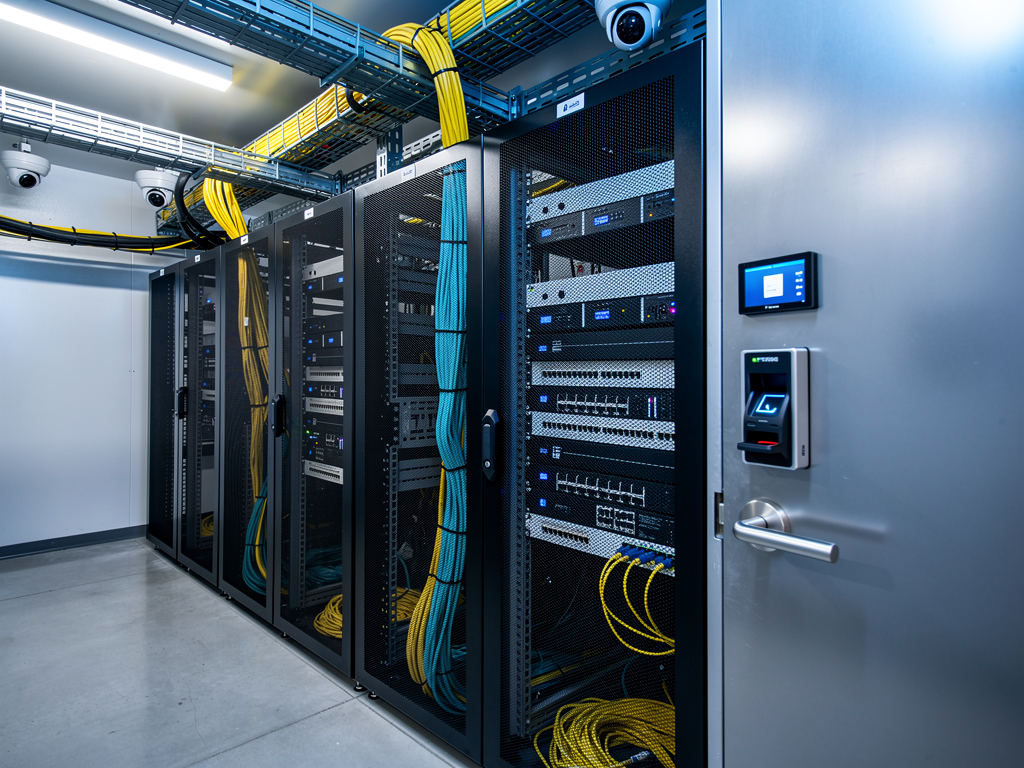
Physical security considerations extend beyond simply locking equipment rooms. In high-security environments, AVoIP components may require tamper-evident seals, secure mounting that prevents unauthorized removal, and placement within controlled access areas. The physical security posture must match the classification level of content the system handles.
Cable infrastructure deserves particular attention in secure installations. Fiber optic cabling offers inherent security advantages over copper, as it does not emit electromagnetic radiation that could be intercepted and is more difficult to tap without detection. For the most sensitive applications, fiber runs should be inspected regularly and protected within secure conduits.
Tempest requirements may apply to installations handling classified information. These standards address electromagnetic emanations that could potentially be intercepted to reconstruct displayed content. While most commercial AVoIP equipment does not carry Tempest certification, specialized manufacturers produce compliant versions for installations where these standards apply.
Equipment from manufacturers like ADTECHNO and Netvio offers compact form factors that simplify secure mounting while providing the performance government installations require. Smaller devices can be more easily secured within locked enclosures or integrated into furniture with restricted access.
Monitoring, Logging, and Incident Response Capabilities
Comprehensive logging enables security teams to detect anomalies, investigate incidents, and demonstrate compliance during audits. Every AVoIP device should generate detailed logs capturing authentication attempts, configuration changes, stream connections, and error conditions. These logs must be transmitted to centralized security information and event management systems for analysis and long-term retention.
Real-time monitoring provides visibility into system health and security status. Network operations centers should display dashboards showing active streams, device status, bandwidth utilization, and security alerts. Anomalies like unexpected multicast joins, authentication failures, or unusual traffic patterns warrant immediate investigation.

Incident response procedures must address AVoIP-specific scenarios. What happens if an unauthorized device attempts to join the network? How should operators respond to a suspected stream interception? Who has authority to disconnect equipment during an active incident? Documented procedures and regular drills ensure personnel can respond effectively when security events occur.
Many government standards require log retention for extended periods, sometimes years. Storage infrastructure must accommodate this requirement while protecting log integrity. Cryptographic hashing and write-once storage prevent tampering with historical records that may be needed for future investigations or compliance audits.
Vendor Selection and Supply Chain Security Considerations
Supply chain security has become increasingly important for government AVoIP deployments. Concerns about foreign-manufactured equipment potentially containing backdoors or vulnerabilities have led to restrictions on certain vendors and increased scrutiny of component sourcing. Integrators must verify that specified equipment complies with applicable supply chain requirements.
Trusted manufacturers maintain transparent supply chains, provide software bills of materials, and promptly address discovered vulnerabilities. Regular firmware updates that patch security issues demonstrate ongoing commitment to product security. Vendors should provide clear documentation of their security development lifecycle and vulnerability disclosure processes.
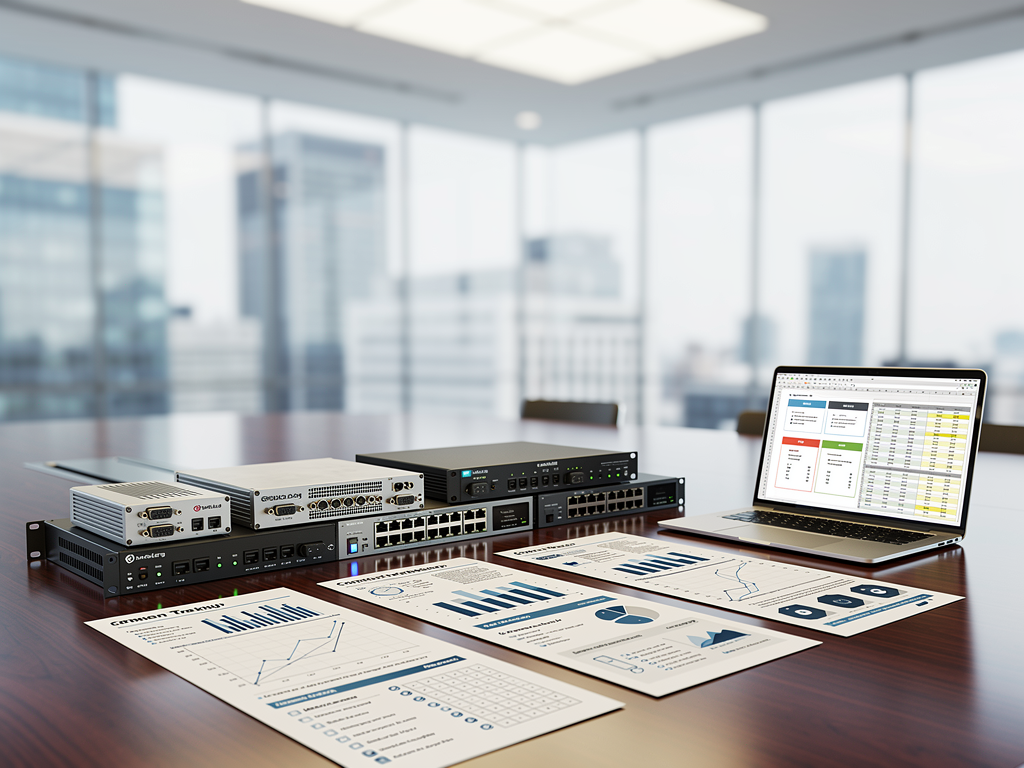
Products available through the AVoIP Solutions Directory from manufacturers like TiGHT AV, Craltech, and Visionary AV offer the documentation and support that government installations require. These vendors understand compliance requirements and can provide the certifications, test reports, and security documentation that procurement processes demand.
Implementation Best Practices and Ongoing Maintenance
Successful deployment begins with thorough planning and documentation. Security plans should detail network architecture, access controls, encryption configurations, and monitoring procedures. This documentation serves as the baseline for security audits and provides essential reference material for maintenance personnel.
Staged deployment allows security testing at each phase before proceeding. Initial laboratory testing validates encryption, authentication, and network segmentation in a controlled environment. Pilot installations in non-critical spaces identify integration issues before equipment enters sensitive areas. Final deployment into secure spaces follows only after all security controls have been verified.

Ongoing maintenance must preserve security while ensuring system reliability. Firmware updates require careful evaluation before deployment, as changes could introduce vulnerabilities or break security configurations. Change management procedures should require security review and testing before any modifications to production systems.
Regular security assessments verify that controls remain effective over time. Penetration testing, vulnerability scanning, and configuration audits should occur on scheduled intervals and after any significant changes. Findings must be documented and remediated according to risk-based priorities.
Future Considerations and Emerging Technologies
The AVoIP landscape continues evolving, with new protocols and capabilities emerging regularly. Standards like IPMX promise improved interoperability while maintaining security, and manufacturers are incorporating increasingly sophisticated encryption and authentication features. Staying current with these developments ensures installations can leverage improvements without compromising security.

Zero trust architecture principles are increasingly influencing AVoIP design. Rather than assuming devices within the network perimeter are trustworthy, zero trust requires continuous verification of every connection. This approach aligns well with government security requirements and will likely become standard practice for high-security deployments.
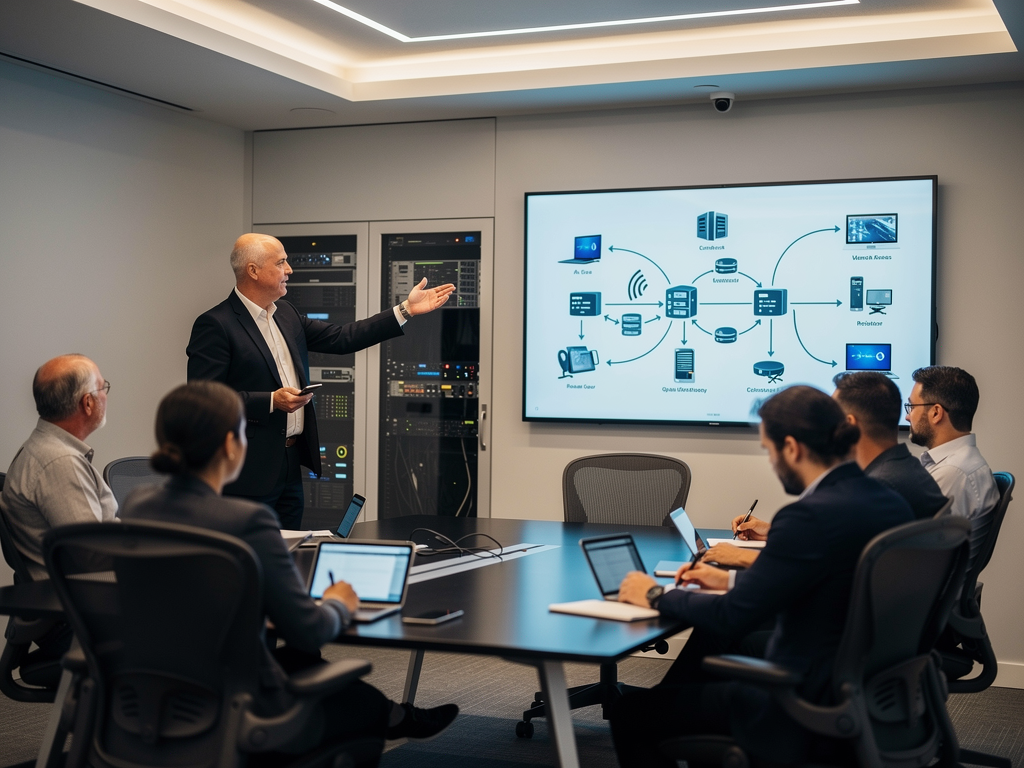
Quantum computing presents both challenges and opportunities for AVoIP security. While quantum computers could eventually break current encryption algorithms, post-quantum cryptography standards are being developed to address this threat. Forward-thinking installations should consider crypto-agility, ensuring systems can transition to new algorithms when required.
Deploying AVoIP in government and defense environments demands exceptional attention to security at every level. By following these best practices, selecting appropriate equipment from trusted manufacturers, and maintaining rigorous ongoing security procedures, organizations can leverage the flexibility and capability of AVoIP technology while meeting their most demanding security requirements. The investment in proper security architecture pays dividends through reduced risk, simplified compliance, and confidence that sensitive information remains protected.
Comments(0)