Secure Your AVoIP Network: A Comprehensive Cybersecurity Guide
Protect your Audio over IP (AVoIP) deployment from cyber threats. Learn about network segmentation, access control, and encryption to safeguard your AV systems and sensitive data.
AVoIP AV Directory
How to Secure Your AVoIP Network from Cyber Threats
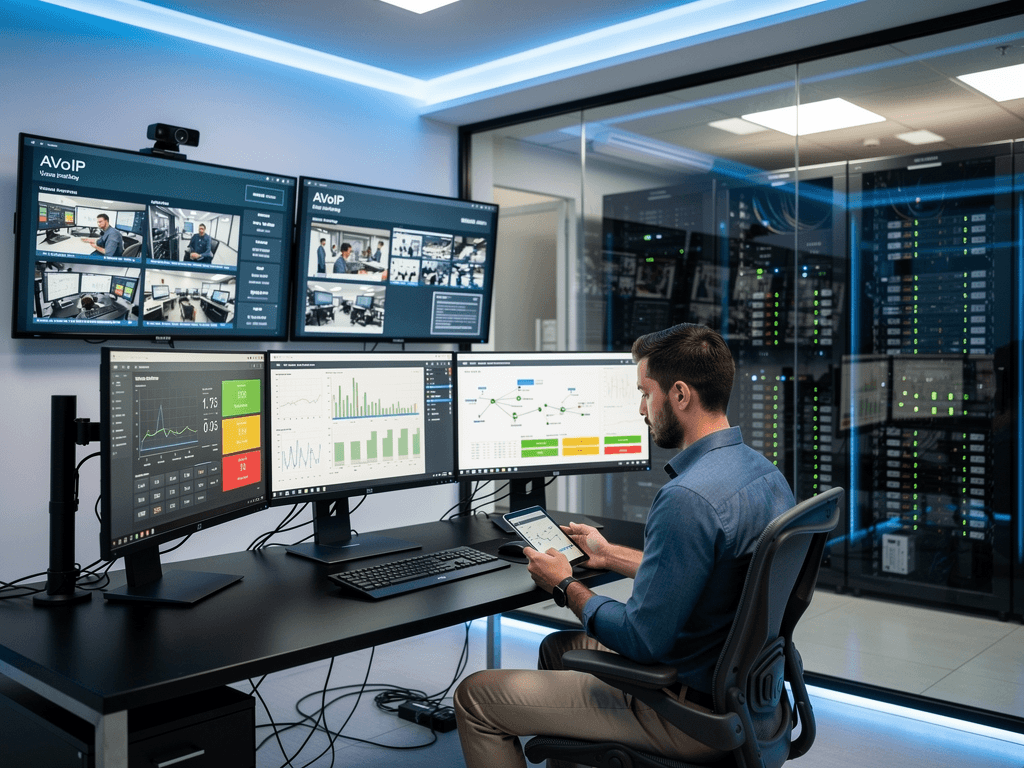
The convergence of audio visual systems with enterprise IT infrastructure has created unprecedented opportunities for flexibility, scalability, and cost efficiency in professional AV deployments. However, this integration also introduces cybersecurity vulnerabilities that were virtually nonexistent in traditional point-to-point AV systems. As an AV consultant who has witnessed the rapid adoption of AVoIP technologies across corporate environments, educational institutions, and broadcast facilities, I can confirm that network security has become just as critical as signal quality and latency performance.
Modern AVoIP solutions from manufacturers like TiGHT AV, Visionary AV, and BZBGEAR deliver exceptional performance, but their network-based architecture requires deliberate security planning. Unlike legacy matrix switchers that operated in isolation, today's encoders and decoders communicate across the same infrastructure that handles sensitive business data. This reality demands a comprehensive approach to cybersecurity that protects both your AV investment and your broader organizational assets.

Understanding the AVoIP Attack Surface
Before implementing security measures, it is essential to understand where vulnerabilities exist in AVoIP deployments. Every encoder, decoder, and controller on your network represents a potential entry point for malicious actors. Devices from reputable manufacturers like ADTECHNO and Craltech include security features, but these protections only work when properly configured and maintained.
The attack surface in AVoIP systems extends beyond the endpoints themselves. Network switches, management interfaces, control system connections, and even the protocols used for video transport can present security risks. Many AVoIP solutions utilize multicast traffic, which, if not properly contained, can traverse network boundaries and expose content to unauthorized viewers. Similarly, web-based management interfaces, while convenient for configuration, can become targets for credential theft or exploitation if left unsecured.
Consider the typical corporate boardroom deployment: an encoder captures content from presentation systems, streams it across the network, and decoders display it in multiple locations. Without proper security controls, an attacker who gains network access could intercept confidential presentations, inject unauthorized content, or use the AV devices as pivot points for deeper network penetration. These scenarios are not theoretical; documented incidents have occurred in organizations that treated AV systems as exempt from standard IT security practices.
Network Segmentation and VLAN Configuration
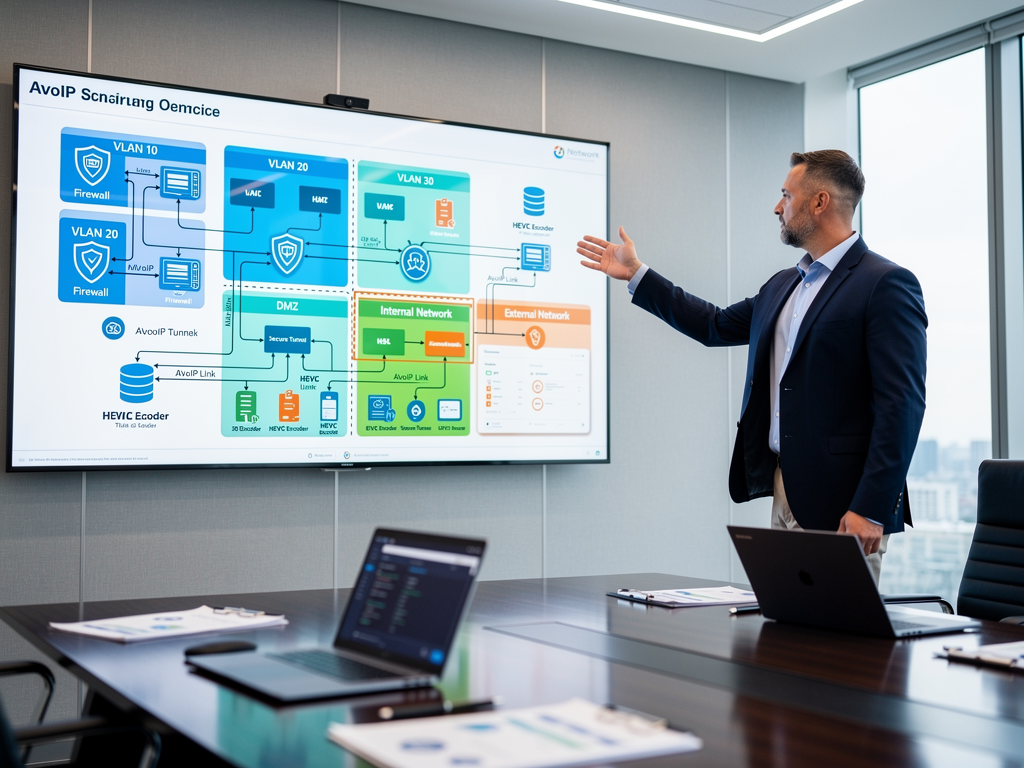
The single most effective security measure for AVoIP deployments is proper network segmentation. By isolating AV traffic on dedicated VLANs, you create logical boundaries that limit the potential impact of any security breach. This approach also improves performance by containing multicast traffic and reducing congestion on production networks.
When designing VLAN architecture for AVoIP systems, consider creating separate segments for different traffic types. Management traffic, which includes device configuration and monitoring, should reside on a distinct VLAN from media transport. Control system communications, particularly those involving third-party integrations, warrant their own isolated segment. This granular approach allows you to apply specific security policies to each traffic type.
Products from manufacturers like Netvio and TiGHT AV support VLAN tagging, enabling seamless integration with enterprise network infrastructure. During deployment, configure each endpoint with the appropriate VLAN assignments and verify that inter-VLAN routing is restricted to only necessary traffic flows. Many organizations make the mistake of placing all AV devices on a single "AV VLAN" without considering the different security requirements of management versus media traffic.
Implement access control lists at layer 3 boundaries to further restrict communication between VLANs. For example, your AV management VLAN might need to reach devices on the media transport VLAN, but there is rarely a legitimate reason for media traffic to traverse into your corporate data network. These rules should be documented, regularly reviewed, and updated as your deployment evolves.

Authentication and Access Control Best Practices
Default credentials represent one of the most common and easily preventable security vulnerabilities in AVoIP systems. Every encoder, decoder, and controller ships with factory-set usernames and passwords that are publicly documented. Changing these credentials immediately upon deployment is non-negotiable, yet surveys consistently reveal that a significant percentage of installed AV devices retain their default settings.
Implement a credential management strategy that includes unique, complex passwords for each device. While this approach requires more administrative effort than using a single password across all endpoints, it prevents a single compromised credential from providing access to your entire AV infrastructure. Password management solutions can help maintain organization without sacrificing security.
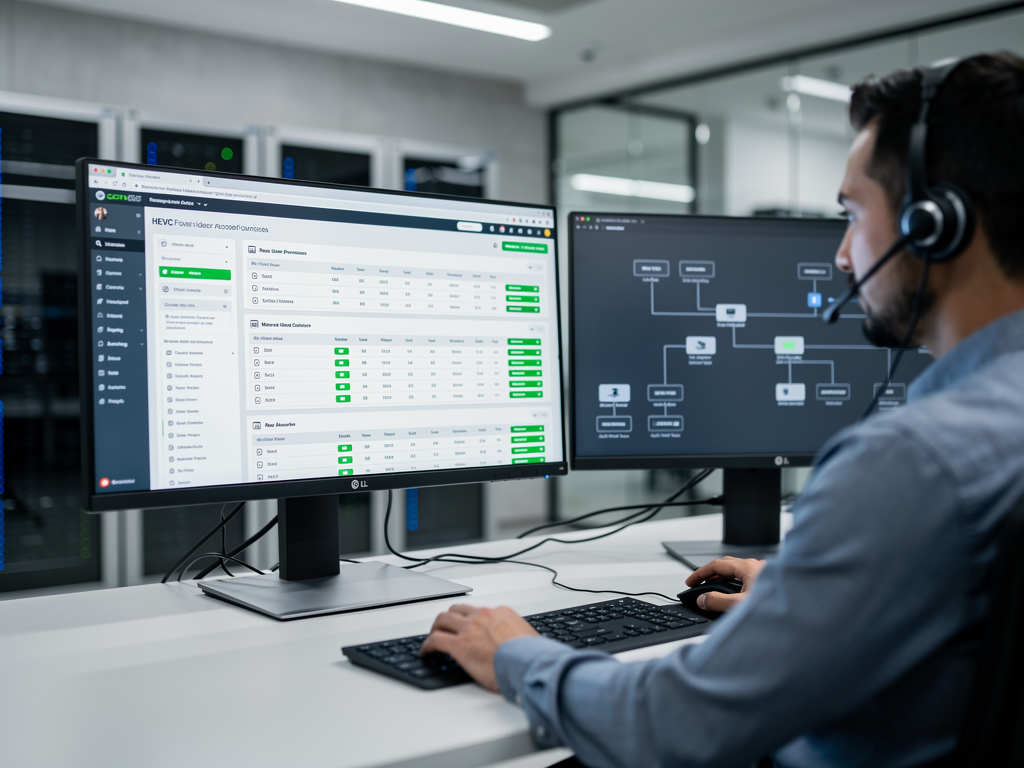
Many current-generation AVoIP products support integration with enterprise authentication systems. Devices from BZBGEAR and Visionary AV, for instance, can authenticate against LDAP or Active Directory, enabling centralized user management and consistent password policies. This integration also facilitates audit logging, allowing you to track who accessed which devices and when.
Role-based access control adds another layer of protection by limiting what authenticated users can do. A technician responsible for monitoring system health does not need the ability to modify network settings or update firmware. By assigning appropriate roles, you reduce the risk of accidental misconfiguration and limit the potential damage from compromised accounts.
Encryption and Protocol Security
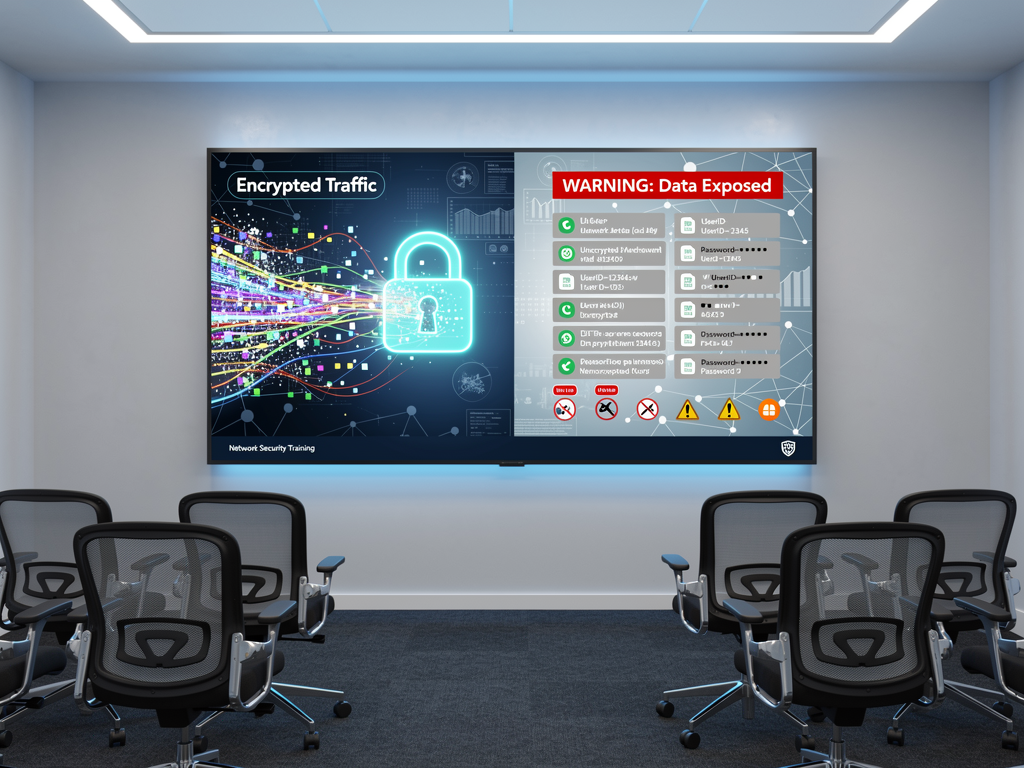
The question of encryption in AVoIP systems involves balancing security requirements against performance considerations. Encrypting video streams adds processing overhead and can introduce latency, which may be unacceptable in applications requiring real-time interaction. However, for sensitive content, encryption is essential regardless of the performance trade-offs.
Transport layer encryption protects content as it traverses the network. Solutions based on standards like NDI, SDVoE, and Dante AV offer varying levels of encryption support. When evaluating products for security-sensitive deployments, verify that the chosen platform supports encryption and understand any limitations or performance impacts. Some manufacturers, including those in the AVoIP Solutions Directory, provide detailed specifications regarding encryption capabilities.
Management interface security is equally important. Always access device configuration pages over HTTPS rather than unencrypted HTTP. Disable HTTP access entirely if the device supports this option. Similarly, use SSH instead of Telnet for command-line management, and disable legacy protocols that transmit credentials in clear text.
API security deserves special attention as more AVoIP systems integrate with control platforms and automation systems. APIs that lack authentication or use weak authentication mechanisms can be exploited to manipulate device settings or extract sensitive information. Require API keys or tokens for all programmatic access, and rotate these credentials periodically.
Firmware Management and Vulnerability Response
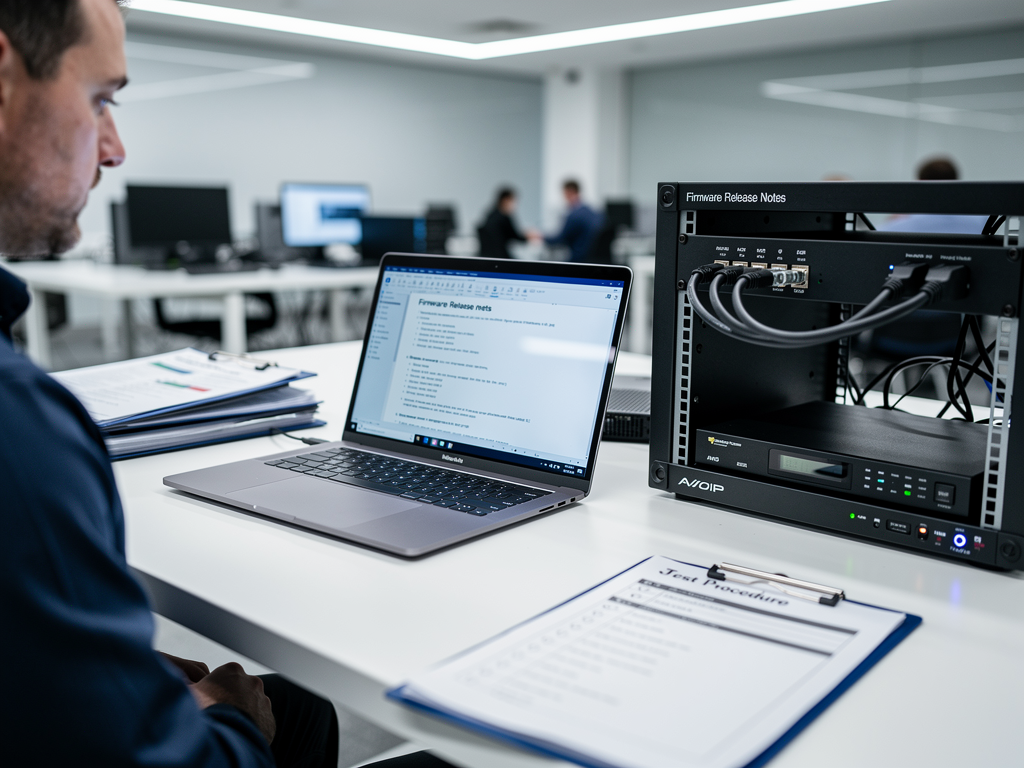
Maintaining current firmware across your AVoIP infrastructure is critical for security. Manufacturers regularly release updates that address discovered vulnerabilities, improve security features, and patch potential exploits. Devices running outdated firmware remain exposed to known vulnerabilities that attackers can easily exploit using publicly available tools.
Establish a firmware management process that includes regular checks for updates from your device manufacturers. Companies like Craltech and ADTECHNO publish release notes that detail security fixes, helping you prioritize which updates require immediate attention versus those that can be scheduled during planned maintenance windows. Subscribe to manufacturer security bulletins and monitor industry sources for vulnerability disclosures affecting your deployed products.
Before applying firmware updates to production systems, test them in a controlled environment if possible. While updates generally improve security and stability, they occasionally introduce compatibility issues or unexpected behavior changes. A staged rollout approach, where updates are applied to a subset of devices before full deployment, reduces the risk of widespread disruption.
Document your firmware versions and update history. This information proves valuable when responding to security incidents or assessing your exposure to newly disclosed vulnerabilities. Many management platforms, including those compatible with devices listed in the comprehensive AVoIP product directory, provide centralized firmware tracking and deployment capabilities.
Monitoring, Logging, and Incident Response
Effective security requires visibility into what is happening across your AVoIP infrastructure. Implement comprehensive logging that captures authentication attempts, configuration changes, and network activity. These logs provide the forensic data necessary to investigate security incidents and identify potential threats before they cause damage.
Centralize log collection using a SIEM (Security Information and Event Management) system or dedicated log aggregation platform. Scattered logs across dozens of individual devices are difficult to analyze and easy to overlook. Centralization enables correlation of events across multiple systems, helping identify patterns that might indicate coordinated attacks or systematic probing.
Configure alerts for security-relevant events such as failed authentication attempts, unauthorized configuration changes, or unusual network traffic patterns. The goal is to detect potential security incidents early, when response options are most effective. Avoid alert fatigue by tuning thresholds appropriately; too many false positives lead to ignored warnings.
Develop an incident response plan specific to your AVoIP infrastructure. This plan should define roles and responsibilities, communication procedures, and technical response steps. Consider scenarios such as compromised devices, unauthorized content injection, or denial of service attacks. Regular tabletop exercises help ensure your team can execute the plan effectively under pressure.

Physical Security Considerations
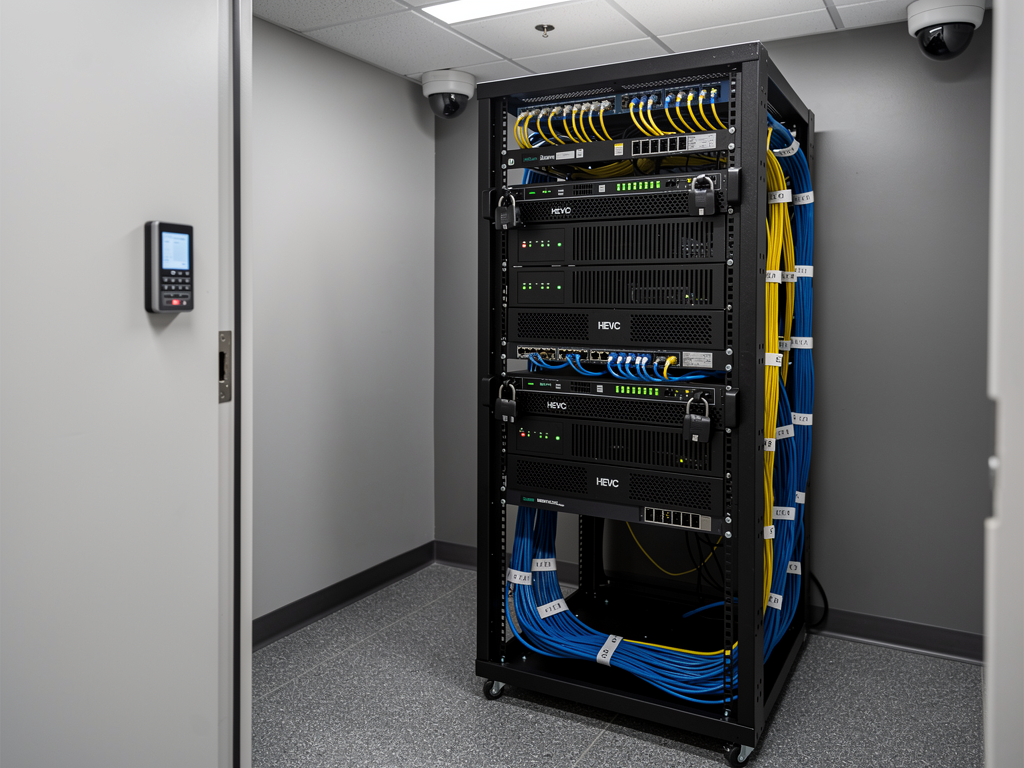
Network security measures become ineffective if attackers can gain physical access to your AVoIP equipment. Encoders and decoders installed in publicly accessible locations, such as conference rooms or lobbies, require physical protection to prevent tampering, theft, or unauthorized connections.
Install devices in locked enclosures or secure equipment rooms whenever possible. For endpoints that must be accessible, such as wall plate encoders, use tamper-resistant mounting hardware and disable unused ports. Some products from manufacturers like TiGHT AV include features that detect physical tampering and can trigger alerts or disable functionality.
Network port security provides an additional layer of protection. Configure switches to restrict which MAC addresses can connect to specific ports, preventing attackers from unplugging legitimate devices and connecting rogue equipment. 802.1X authentication extends this protection by requiring devices to authenticate before gaining network access.
Consider the security implications of remote management capabilities. While remote access simplifies administration, it also creates potential entry points for attackers. Restrict remote management to specific IP addresses or VPN connections, and disable remote access entirely for devices that do not require it.
Vendor Selection and Security Assessment
Security considerations should influence your AVoIP product selection from the earliest planning stages. Evaluate manufacturers based on their security track record, transparency about vulnerabilities, and responsiveness to security concerns. Companies that prioritize security typically provide detailed documentation, regular updates, and clear communication about potential risks.
When comparing products from different manufacturers, examine the specific security features each offers. Look for support for encryption, enterprise authentication integration, comprehensive logging, and secure management protocols. The AVoIP Solutions Directory provides detailed specifications that can help compare security capabilities across different brands and models.
Request security documentation from vendors, including hardening guides, security architecture descriptions, and vulnerability disclosure policies. Reputable manufacturers like Visionary AV and BZBGEAR provide this information to help customers deploy their products securely. Be cautious of vendors who are unwilling or unable to discuss security aspects of their products.

Building a Security-First Culture
Technology alone cannot secure your AVoIP infrastructure. The people who design, deploy, and operate these systems play an equally important role. Invest in training that helps AV professionals understand cybersecurity principles and recognize potential threats. This knowledge enables better decision-making during both initial deployment and ongoing operations.
Foster collaboration between AV and IT security teams. Historically, these groups operated independently, but the convergence of AV onto IP networks demands a unified approach. Regular communication helps ensure that AV deployments comply with organizational security policies and that IT teams understand the unique requirements of AV traffic.
Document your security configurations, policies, and procedures. This documentation serves as a reference for consistent implementation across deployments and helps new team members understand the security rationale behind specific configurations. Regular reviews ensure documentation remains current as your infrastructure evolves.
Conclusion: Security as an Ongoing Commitment
Securing your AVoIP network is not a one-time project but an ongoing commitment that evolves alongside your infrastructure and the threat landscape. The measures outlined in this guide provide a foundation, but effective security requires continuous attention, regular assessment, and willingness to adapt as new challenges emerge.
Start by addressing the fundamentals: network segmentation, credential management, and firmware updates. These basic measures eliminate the most common vulnerabilities and establish a security baseline. From there, progressively implement more advanced controls based on your specific risk profile and operational requirements.
Remember that security investments protect not only your AV systems but also the sensitive content they transport and the broader networks to which they connect. By treating AVoIP security with the same rigor applied to other critical IT systems, you ensure that the benefits of networked AV are realized without introducing unacceptable risks to your organization.
Comments(0)