Seamless AV over IP Switching for Live Events: A Comprehensive Guide
Discover how to achieve instantaneous, glitch-free AV over IP switching for live events, covering network architecture, codec selection, synchronization, and control system integration for broadcast-quality performance.
AVoIP AV Directory
How to Achieve Seamless AV over IP Switching for Live Events
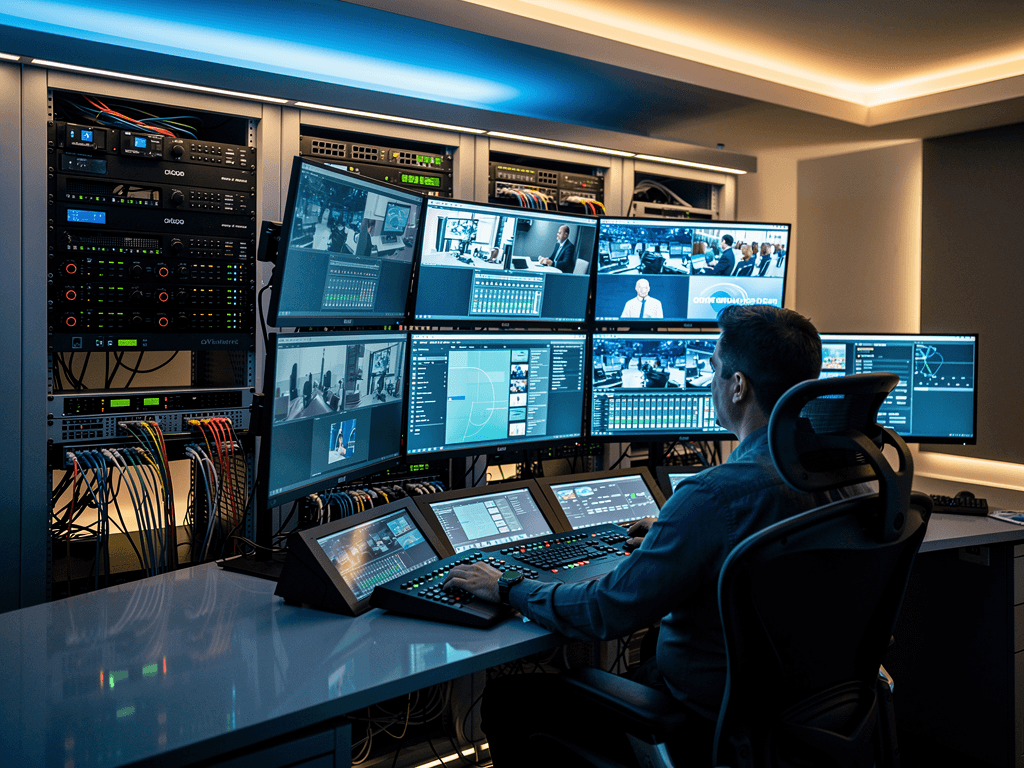
Live events demand precision, reliability, and split-second responsiveness from every component in the signal chain. When a keynote speaker takes the stage or a performer begins their set, there is zero tolerance for black screens, audio dropouts, or switching delays that disrupt the audience experience. Traditional matrix switchers served the industry well for decades, but the scale and complexity of modern live events have pushed many production teams toward AV over IP solutions that offer unprecedented flexibility without sacrificing the instantaneous switching that live production requires.
Achieving truly seamless switching in an IP-based environment requires careful attention to network architecture, codec selection, endpoint configuration, and control system integration. This guide walks through the essential considerations and proven strategies that professional integrators use to deliver broadcast-quality switching performance in venues ranging from intimate corporate theaters to massive arena productions.
Understanding the Fundamentals of Seamless Switching in IP Environments
Seamless switching in traditional AV systems meant that video and audio transitions happened instantaneously, with no visible glitch, freeze frame, or resync period between sources. Matrix switchers accomplished this by maintaining constant connections and synchronizing all inputs to a common reference signal. When operators switched sources, the output simply displayed the next frame from the new input without interruption.
In AV over IP systems, achieving the same result requires addressing several technical challenges that do not exist in baseband environments. IP packets must traverse network infrastructure, undergo encoding and decoding processes, and arrive at endpoints in the correct sequence. Each of these steps introduces potential latency and synchronization complications that can manifest as visible switching artifacts if not properly managed.
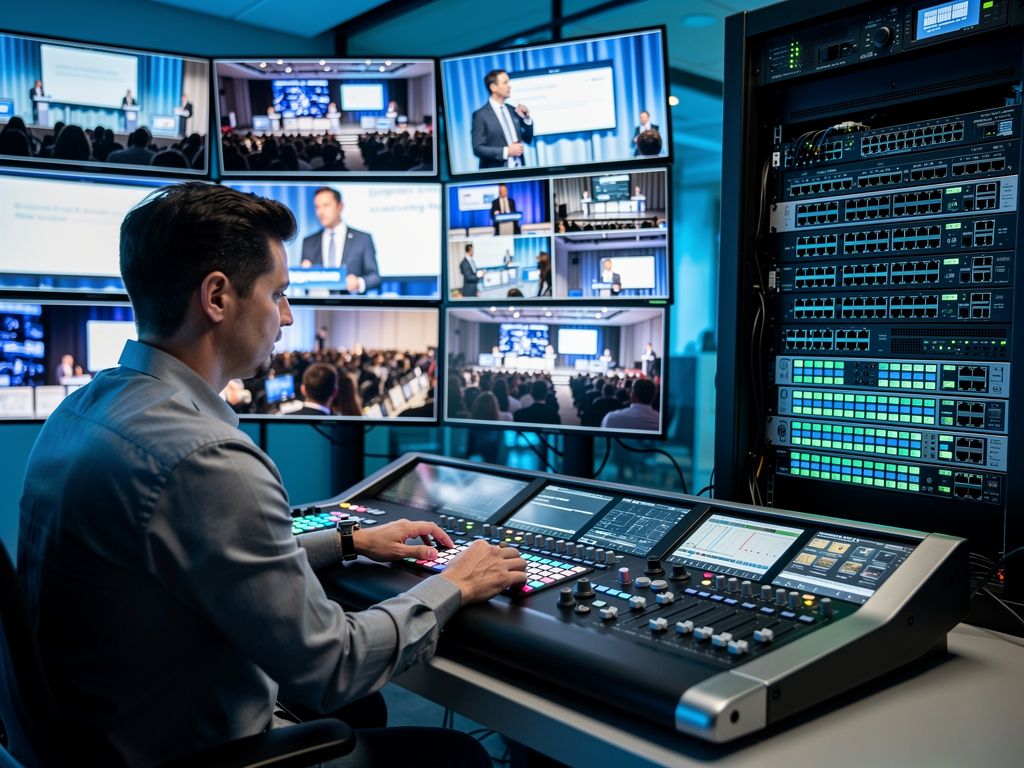
The key to seamless IP switching lies in maintaining what engineers call "frame-accurate synchronization" across all sources and destinations. This means every encoder in the system must output frames at precisely the same moment, and every decoder must be ready to display incoming content without requiring a resync period. Several approaches exist for achieving this synchronization, each with distinct advantages depending on the specific requirements of your deployment.
Selecting the Right Protocol and Codec for Live Event Applications
Not all AV over IP protocols deliver equivalent switching performance. The codec architecture and network behavior of each protocol directly impact how quickly and cleanly sources can transition. For live events where seamless switching is mandatory, certain protocols stand out as particularly well-suited to the task.
SDVoE technology has earned strong adoption in live event applications precisely because it was designed with broadcast-quality switching as a core requirement. By using visually lossless JPEG 2000 compression with extremely low latency, SDVoE systems can achieve switching times under one frame. Products from manufacturers like TiGHT AV and BZBGEAR that implement SDVoE provide the foundation for building systems where source changes happen instantaneously, matching or exceeding the performance of traditional matrix switchers.
Dante AV Ultra represents another excellent option for live events, particularly when audio quality and synchronization are paramount. The protocol builds on the rock-solid foundation of Dante audio networking while adding video capabilities that maintain the tight timing relationships professional audio engineers expect. Visionary AV has developed compelling encoder and decoder solutions in this space that integrate smoothly with existing Dante audio infrastructure commonly found in live event venues.
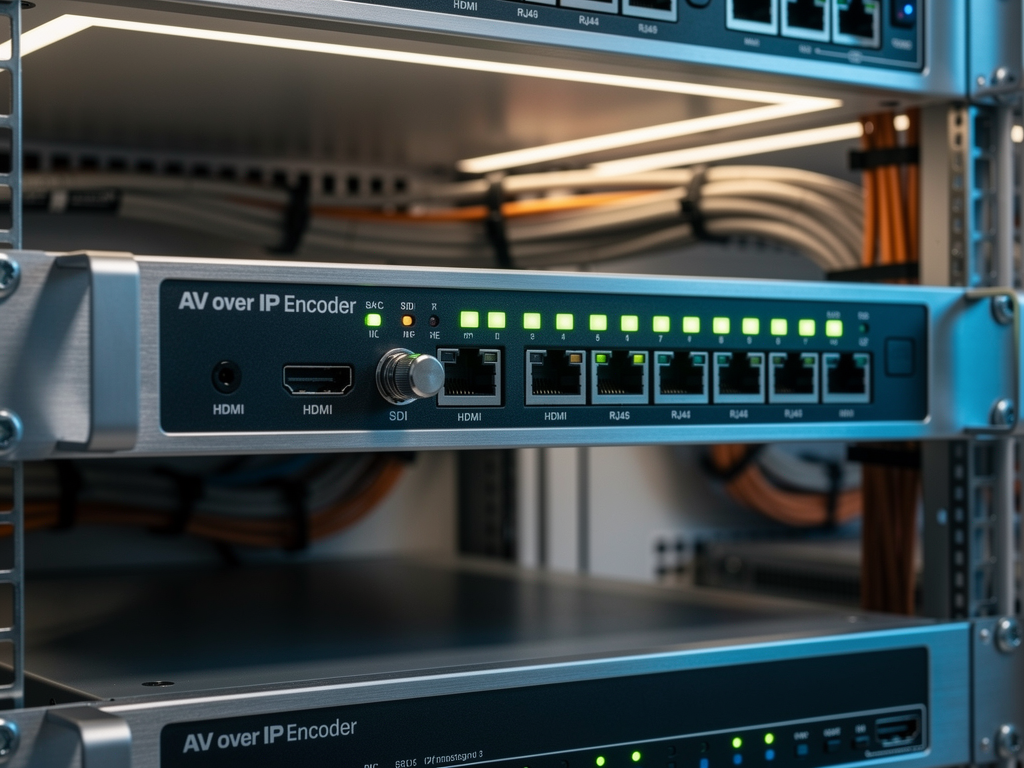
IPMX and JPEG 2000 based solutions offer another pathway to seamless switching, with the added benefit of standards-based interoperability. For organizations building infrastructure that must support equipment from multiple manufacturers over time, these open standards provide valuable flexibility while still delivering the switching performance live events demand.
Network Architecture Best Practices for Switching Performance
The network infrastructure underlying your AV over IP system plays a decisive role in switching performance. Even the best encoders and decoders cannot overcome fundamental network limitations that introduce variable latency or packet loss during source transitions.
Implementing a dedicated AV network, physically or logically separated from general IT traffic, eliminates the unpredictable latency spikes that can occur when AV streams compete with other network applications. For live events, this separation is not merely a best practice but rather a requirement for reliable operation. Most professional integrators deploy purpose-built AV network switches with guaranteed bandwidth allocation and quality of service configurations optimized for video traffic.
IGMP snooping configuration deserves particular attention in any multicast-based AV over IP deployment. When sources switch, the network must rapidly redirect multicast streams to new destinations without flooding unrelated ports. Properly configured IGMP snooping with fast-leave enabled allows the network to respond to switching commands within milliseconds rather than waiting for standard timeout periods that can extend to several seconds.
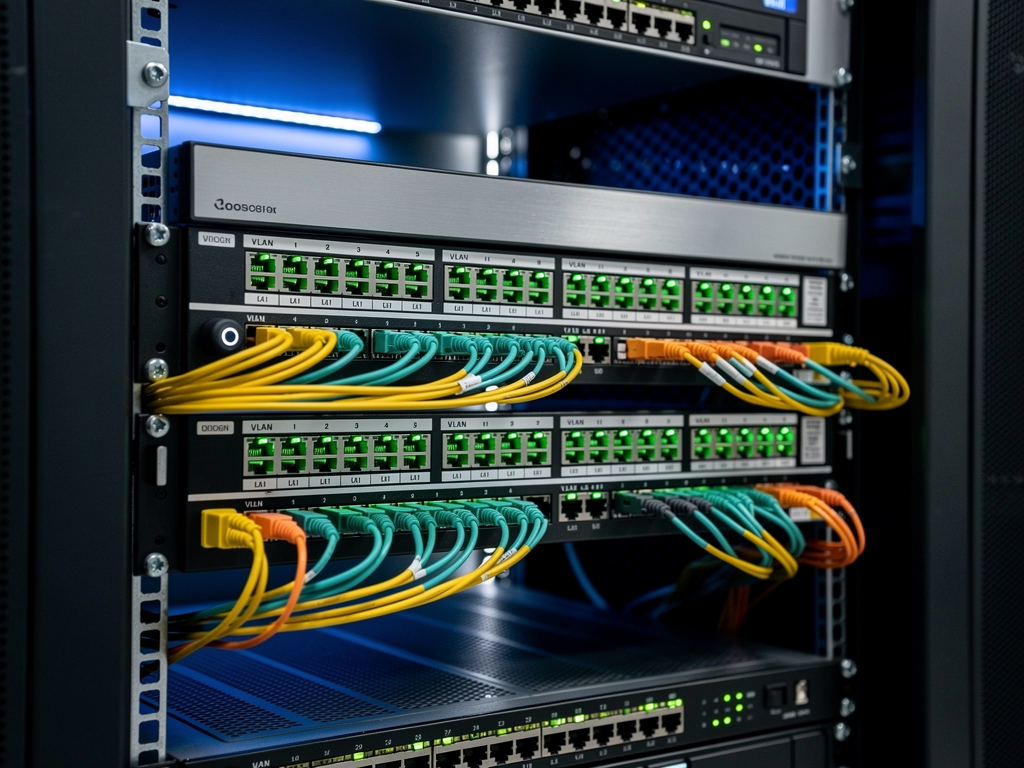
Spanning tree protocol settings also impact switching behavior in meaningful ways. The reconvergence time after topology changes can introduce delays that manifest as switching glitches. Configuring edge ports and enabling features like RSTP or MSTP ensures the network maintains stable forwarding paths during normal operation while still protecting against loops.
Implementing Genlock and Timing Synchronization
Frame-accurate switching requires all sources to operate in lockstep, outputting frames at precisely the same instant. In professional broadcast environments, this synchronization has traditionally been achieved through genlock, where all equipment references a common timing signal distributed throughout the facility.
Modern AV over IP systems can implement equivalent synchronization through PTP, the Precision Time Protocol defined in IEEE 1588. PTP allows network-connected devices to synchronize their clocks to sub-microsecond accuracy, providing the timing foundation necessary for seamless switching. Many professional-grade encoders from manufacturers like ADTECHNO and Craltech include PTP support specifically to enable this capability.
When deploying PTP for live event applications, designating a reliable grandmaster clock is essential. This device serves as the timing reference for the entire system, and its stability directly impacts switching performance. Purpose-built PTP grandmaster devices offer the best performance, though many professional network switches can also serve this role adequately for smaller deployments.
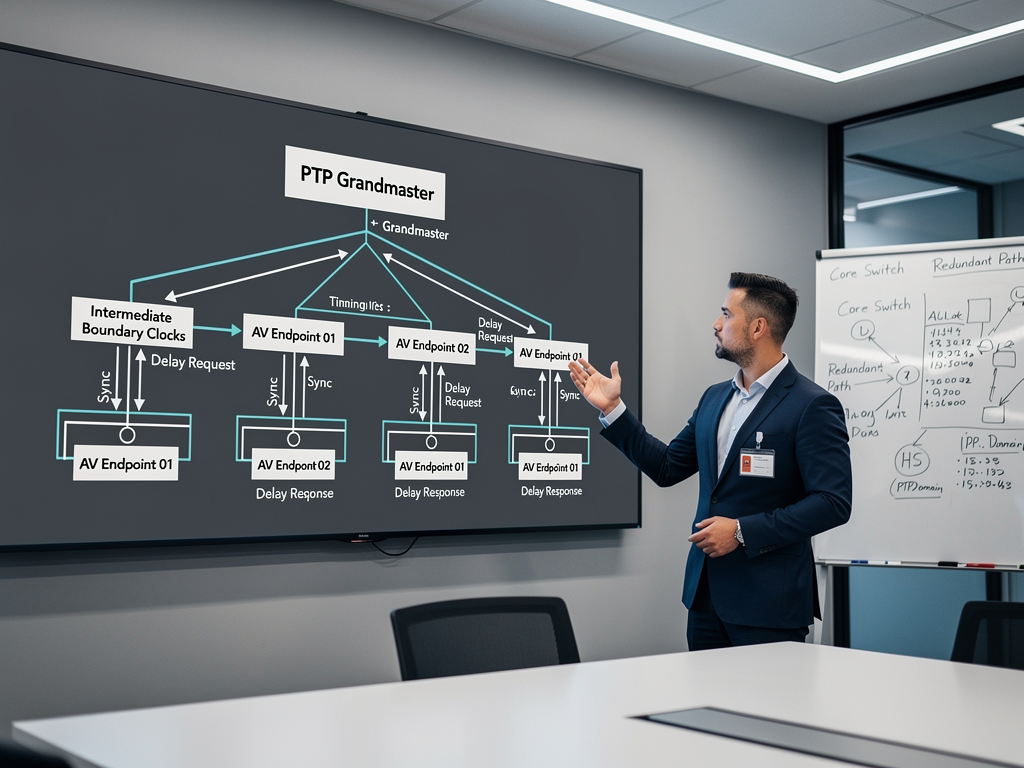
Some AV over IP systems implement proprietary synchronization mechanisms that operate independently of PTP. These approaches can simplify deployment in environments where IT teams are reluctant to enable PTP on shared infrastructure. However, they may limit interoperability with equipment from other manufacturers, so evaluating the tradeoffs carefully during system design is important.
Control System Integration for Reliable Switching Commands
The control system that operators use to trigger source changes must communicate with AV over IP endpoints reliably and with minimal latency. Even if the underlying AV network can switch sources instantaneously, delays in command delivery will result in perceived switching lag from the operator's perspective.
Most professional AV over IP systems support multiple control interfaces, including RS-232, TCP/IP, and REST APIs. For live event applications, TCP/IP control typically offers the best combination of reliability and speed. Establishing persistent connections between the control system and managed endpoints eliminates the overhead of connection setup for each command, reducing response times significantly.
Netvio control solutions have gained popularity in live event applications partly because of their optimized communication with AV over IP endpoints. The tight integration between control hardware and managed devices enables switching commands to propagate through the system with minimal delay, supporting the rapid-fire source changes that live production often demands.
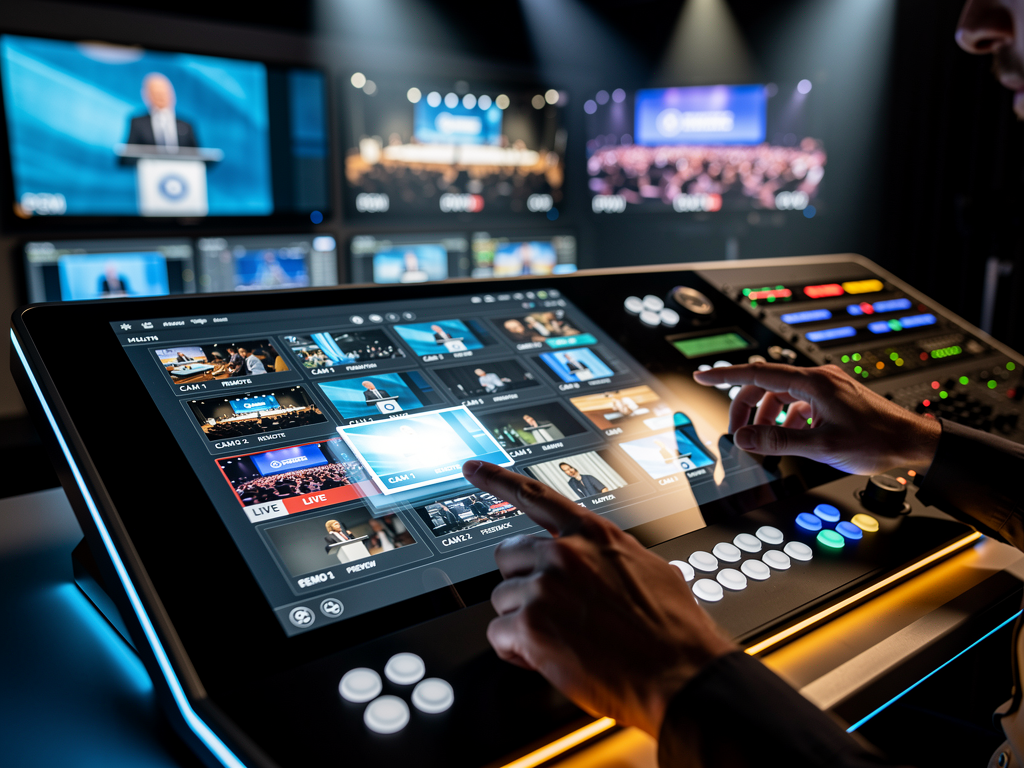
Implementing preview functionality allows operators to verify source content before switching to program output. Many AV over IP systems support multiview outputs that display multiple sources simultaneously, enabling operators to monitor all available inputs and make informed switching decisions. This capability proves invaluable during complex live events where source availability may change dynamically.
Testing and Validation Procedures for Live Event Readiness
Before any live event, thorough testing of switching performance under realistic conditions is essential. This testing should verify not only that switches complete successfully but also that they meet the timing requirements your production demands.
Begin testing by measuring baseline switching times with dedicated test equipment capable of frame-accurate measurement. Professional video analyzers can detect the exact moment when output content changes, allowing you to quantify switching performance objectively. Document these measurements for each source combination, as switching times may vary depending on the specific encoders and content involved.
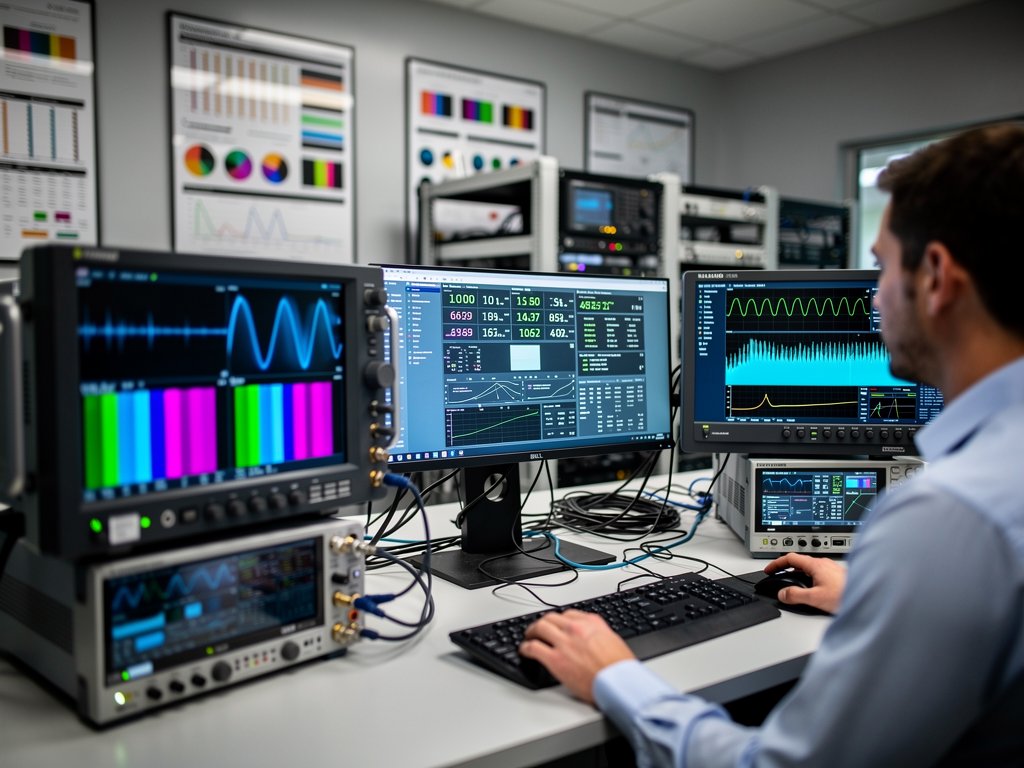
Stress testing under load conditions that simulate actual event scenarios reveals potential issues that may not appear during basic functionality testing. Run multiple simultaneous switches, introduce background network traffic at expected levels, and verify that performance remains consistent over extended operation periods. Many switching problems only manifest after equipment has been running for hours, making extended burn-in testing particularly valuable.
Real-World Success Stories and Deployment Considerations
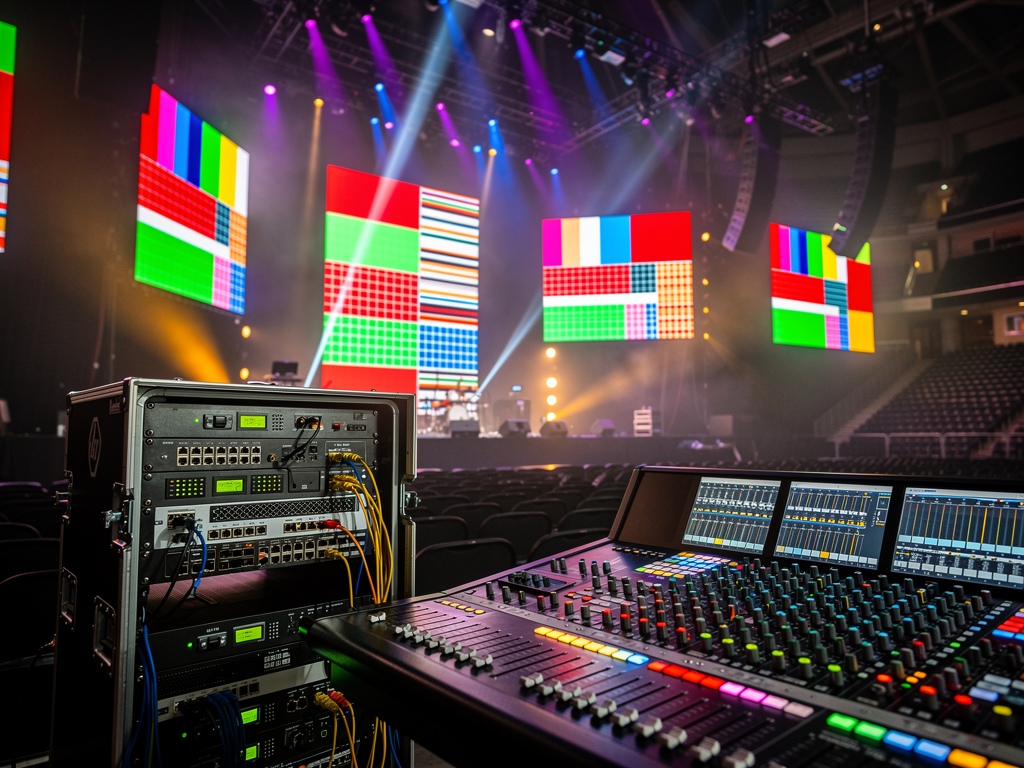
Organizations across the live event industry have successfully transitioned from traditional matrix switching to AV over IP while maintaining or improving their switching performance. A major convention center recently deployed a facility-wide SDVoE system using BZBGEAR encoders and decoders, achieving switching times consistently under 100 milliseconds across more than 200 endpoints. The flexibility to route any source to any destination throughout the building transformed how they support simultaneous events.
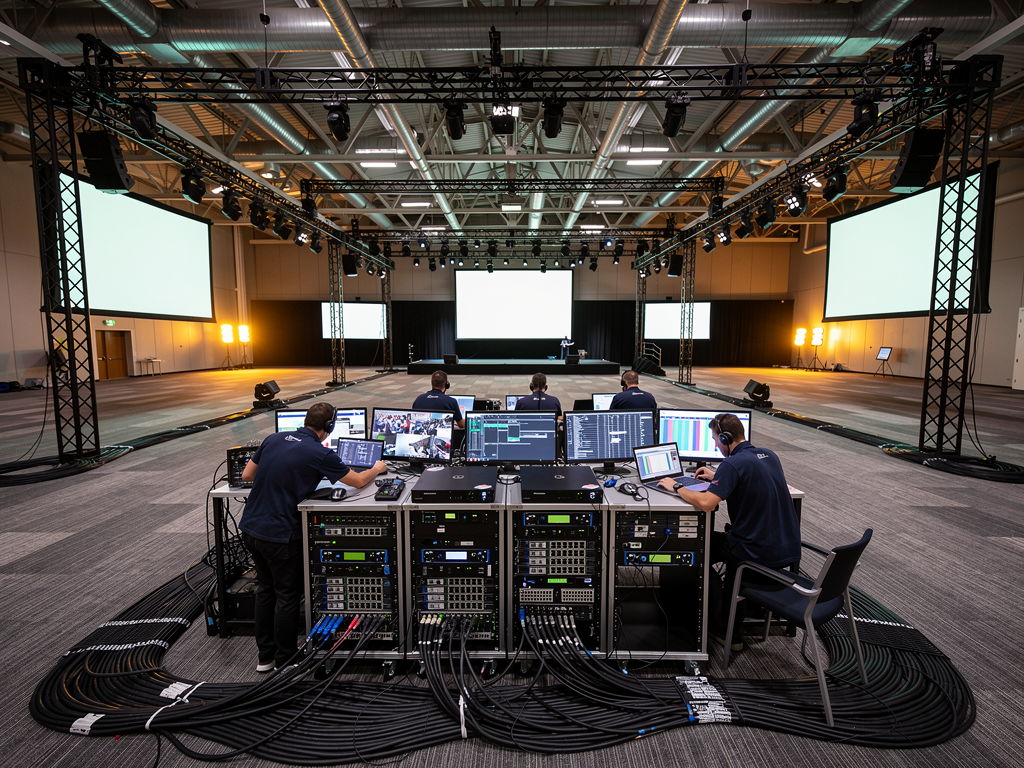
A touring concert production company adopted Dante AV Ultra for their portable production systems, citing the ability to leverage existing Dante audio networks while adding video switching capabilities. The reduced cable weight and setup time compared to traditional systems allowed them to handle more complex productions without expanding their crew size.
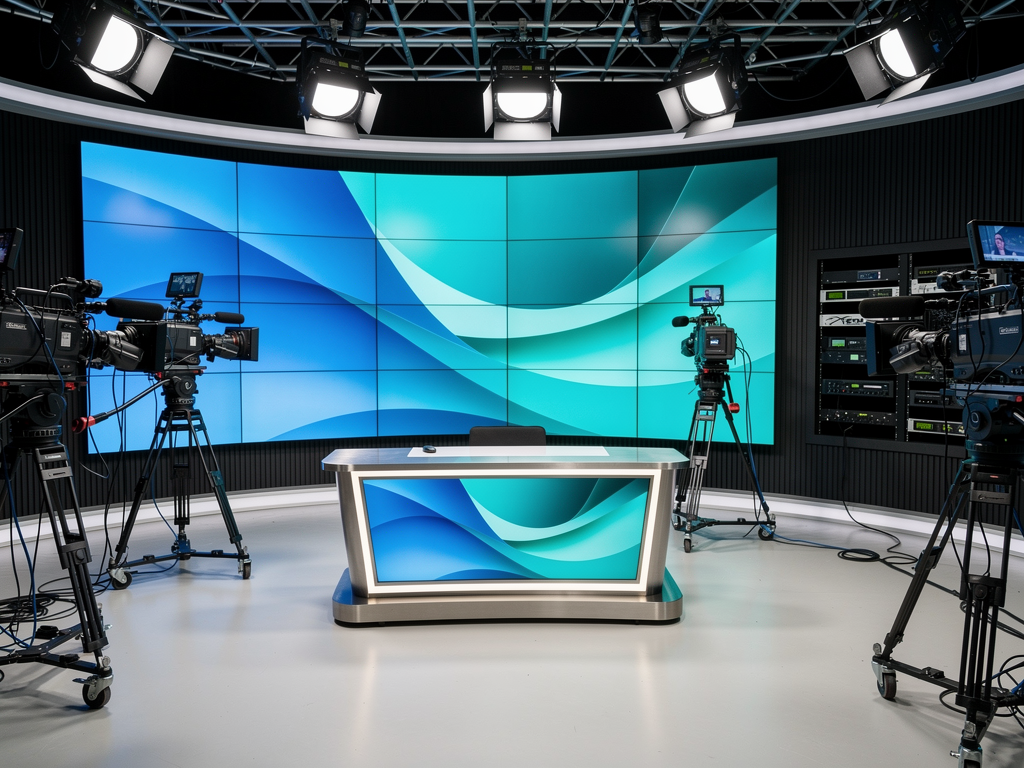
Corporate broadcast studios have found particular value in AV over IP switching for their hybrid event productions. The ability to integrate remote presenters, local cameras, and computer sources through a unified IP infrastructure simplifies workflows while delivering the seamless switching their executive audiences expect. TiGHT AV solutions have proven especially popular in these environments due to their compact form factors and reliable performance.
Cost considerations often favor AV over IP solutions for large-scale deployments, despite higher per-endpoint costs compared to basic matrix switchers. The elimination of expensive long-distance video cabling, combined with the ability to expand systems incrementally, typically results in lower total cost of ownership over the system lifecycle. For organizations planning facilities that will evolve over time, this flexibility represents significant value.

Moving Forward with Confidence
Seamless AV over IP switching for live events is not merely achievable but has become the preferred approach for many of the world's most demanding production environments. Success requires attention to protocol selection, network architecture, timing synchronization, and control system integration, but organizations that invest in proper implementation are rewarded with systems that match traditional switching performance while offering dramatically greater flexibility and scalability.
As you evaluate solutions for your specific requirements, consider working with manufacturers and integrators who have demonstrated expertise in live event applications. The AVoIP Solutions Directory provides comprehensive information about encoders, decoders, and controllers from leading manufacturers, helping you identify products that meet your seamless switching requirements. With proper planning and implementation, your next live event can benefit from all the advantages of IP-based infrastructure without compromising the instantaneous switching performance your productions demand.
Comments(0)