Scaling AVoIP Systems for Large Campus Environments
Discover strategies for deploying scalable Audio Visual over IP (AVoIP) systems across large university, corporate, and healthcare campuses. Learn about network architecture, bandwidth, QoS, and centralized management for multi-building AV.
AVoIP AV Directory
Scaling AVoIP Systems for Large Campus Environments
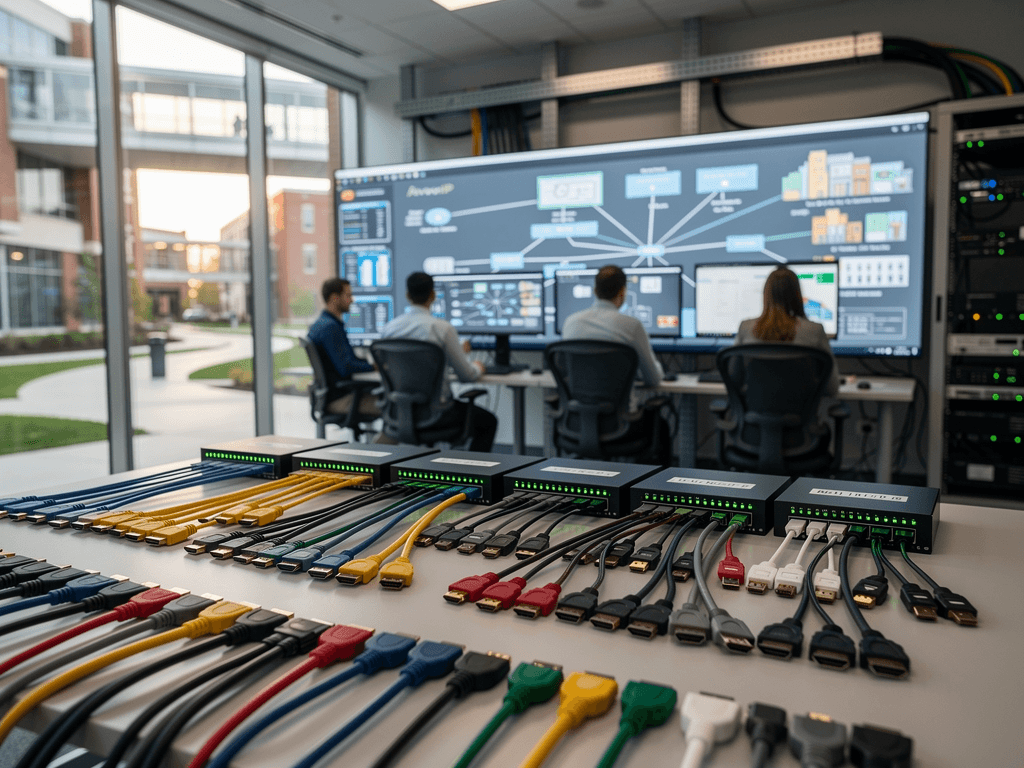
Large campus deployments represent one of the most challenging yet rewarding applications for Audio Visual over IP technology. Whether you're designing for a sprawling university, a multi-building corporate headquarters, or an expansive healthcare facility, the principles of scalable AVoIP architecture remain consistent. The key lies in understanding how to leverage network infrastructure effectively while maintaining signal integrity, minimizing latency, and ensuring seamless management across hundreds or even thousands of endpoints.
This comprehensive guide explores the critical considerations, proven strategies, and practical solutions for deploying AVoIP systems that can grow with your organization's needs while delivering broadcast-quality performance at every endpoint.
Understanding Campus-Scale AVoIP Architecture Requirements
Campus environments present unique challenges that differ significantly from single-building installations. The distances involved, the number of network hops, and the sheer volume of concurrent streams demand careful architectural planning from the outset. A typical campus deployment might span multiple buildings separated by hundreds of meters, with each building containing dozens of display endpoints, collaboration spaces, and content sources that need to communicate seamlessly.
The foundation of any successful large-scale AVoIP deployment begins with understanding bandwidth requirements. A single 4K60 4:4:4 video stream can consume anywhere from 8 to 18 Gbps depending on the compression codec employed. When you multiply this by dozens of simultaneous streams, the aggregate bandwidth demands become substantial. This is where codec selection becomes critical, as solutions utilizing JPEG 2000, H.264, or H.265 compression can reduce bandwidth requirements dramatically while maintaining visually lossless quality for most applications.
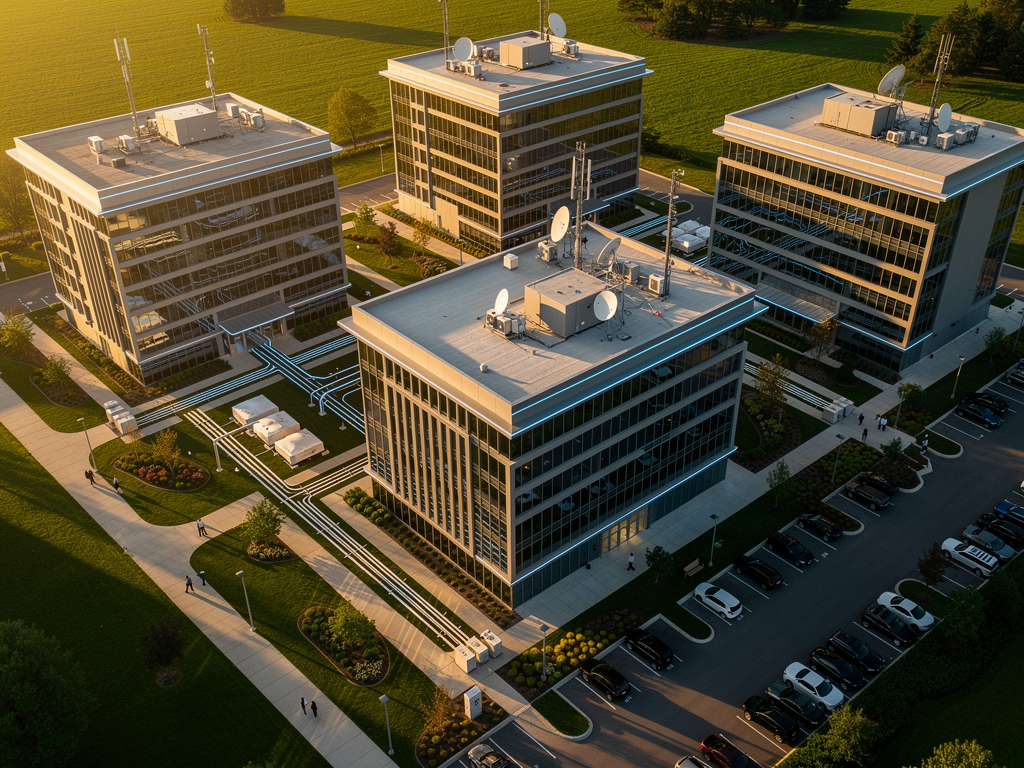
Network topology plays an equally important role in campus deployments. The traditional star topology works well for smaller installations, but campus environments typically benefit from a spine-and-leaf architecture that provides predictable latency, redundant pathways, and simplified troubleshooting. Each building might function as a leaf, connecting back to a central spine that handles inter-building traffic while keeping local traffic contained within each structure.
Network Infrastructure Considerations for Multi-Building Deployments
The backbone connecting buildings in a campus AVoIP deployment must be designed with both current and future requirements in mind. Fiber optic connections between buildings are essential, with single-mode fiber providing the distance capabilities needed for campus-scale deployments. Most organizations find that 10 Gbps inter-building links are sufficient for initial deployments, but forward-thinking designs incorporate 25 Gbps or 40 Gbps capable infrastructure to accommodate growth.
Switch selection at the campus core requires careful consideration of multicast handling capabilities. AVoIP systems rely heavily on multicast streaming to efficiently distribute video content to multiple endpoints without duplicating traffic. Switches must support IGMP snooping and, for larger deployments, Protocol Independent Multicast (PIM) to manage multicast traffic across routed network segments. Products from manufacturers like TiGHT AV and BZBGEAR are designed with these multicast requirements in mind, simplifying integration with enterprise network infrastructure.

Quality of Service (QoS) configuration becomes non-negotiable at campus scale. Video traffic must be prioritized above general data traffic to prevent stuttering, frame drops, or complete signal loss during periods of network congestion. Implementing Differentiated Services Code Point (DSCP) markings allows network equipment to identify and prioritize AVoIP traffic throughout the entire network path. Most professional AVoIP encoders and decoders support configurable DSCP values, enabling seamless integration with existing enterprise QoS policies.
Redundancy planning deserves significant attention in campus deployments where system downtime can affect thousands of users. Implementing redundant network paths, dual power supplies on critical network equipment, and failover capabilities within the AVoIP system itself ensures business continuity. Some advanced solutions from manufacturers like Visionary Solutions and Craltech offer built-in redundancy features that automatically switch to backup streams when primary sources fail.
Centralized Management and Control Strategies
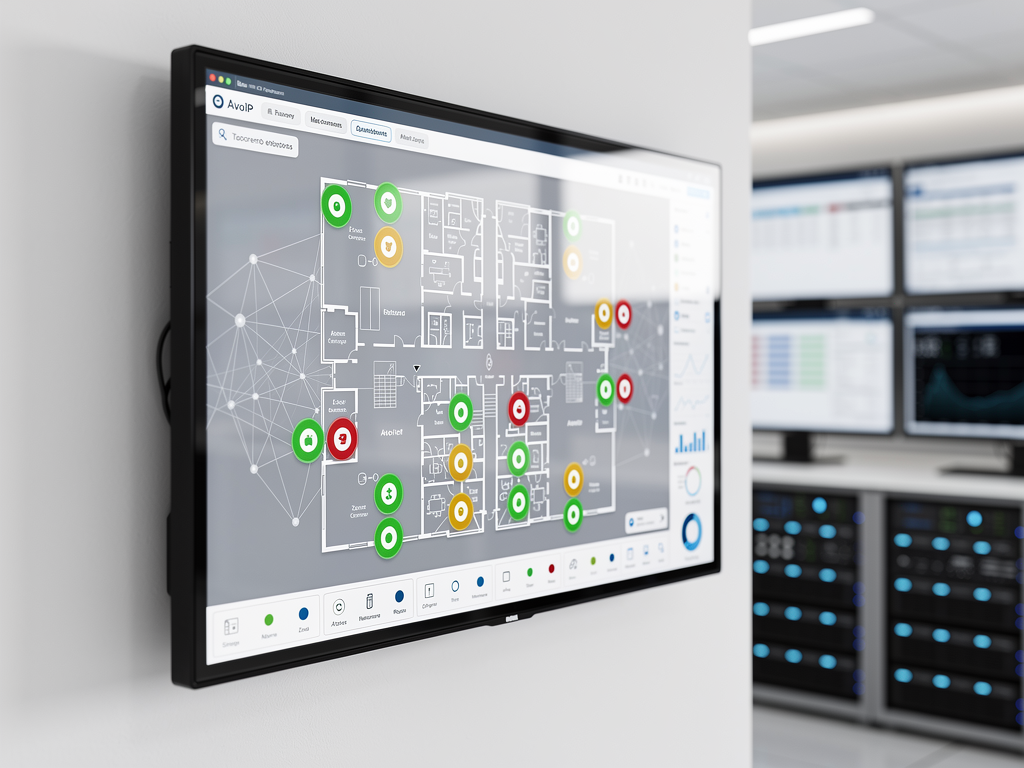
Managing hundreds of AVoIP endpoints across a campus without centralized control would be an administrative nightmare. Modern AVoIP platforms provide web-based management interfaces, API integration capabilities, and compatibility with enterprise management systems that simplify day-to-day operations while providing the visibility needed to troubleshoot issues quickly.
A well-designed control architecture separates the control plane from the media plane, ensuring that management traffic doesn't compete with video streams for bandwidth. Many organizations deploy dedicated VLANs for AVoIP control traffic, isolating it from both video streams and general enterprise data. This separation also enhances security by limiting the attack surface and enabling granular access controls.
Integration with existing building management systems and room scheduling platforms creates a cohesive user experience while reducing administrative overhead. When a meeting room is booked, the AVoIP system can automatically configure the appropriate sources and displays, adjust volume levels, and even power on equipment. Solutions from Netvio and ADTECHNO offer robust API support that enables these sophisticated integrations without custom development.
Monitoring and alerting capabilities become essential at campus scale. Proactive notification of issues, whether a failed encoder, a network connectivity problem, or unusual bandwidth consumption, allows technical staff to address problems before users report them. Many enterprise AVoIP platforms integrate with standard monitoring tools like SNMP, enabling integration with existing network management systems and ticketing workflows.
Practical Use Cases Across Campus Environments
University campuses represent one of the most demanding AVoIP applications, with requirements spanning lecture capture, digital signage, emergency notification, and collaborative learning spaces. A typical university deployment might include encoders in every lecture hall capturing presentations and instructor video, decoders in student lounges displaying campus announcements, and bidirectional systems in collaboration rooms enabling remote participation.
Corporate campuses face different but equally challenging requirements. Executive briefing centers need pristine video quality for client presentations, while training facilities require the ability to distribute content to multiple rooms simultaneously. Town hall meetings might originate from a main auditorium and stream to overflow spaces across multiple buildings, requiring careful synchronization to prevent audio echo between adjacent spaces.

Healthcare campuses present unique considerations including patient privacy requirements, integration with clinical systems, and the need for extremely high reliability in surgical and diagnostic imaging applications. AVoIP solutions deployed in healthcare environments must support encryption for HIPAA compliance while maintaining the low latency required for real-time medical imaging review.
Government and military campus installations add security requirements including classified network separation, TEMPEST compliance in some cases, and strict access controls. Many professional AVoIP manufacturers offer solutions specifically designed for these high-security environments, with features like AES-256 encryption and secure boot processes.
Cost Optimization and Phased Deployment Strategies
One of the most compelling advantages of AVoIP for campus deployments is the ability to leverage existing network infrastructure rather than installing dedicated point-to-point cabling for every connection. This infrastructure reuse can reduce installation costs by 40 to 60 percent compared to traditional matrix-based approaches, particularly when fiber optic backbone already exists between buildings.
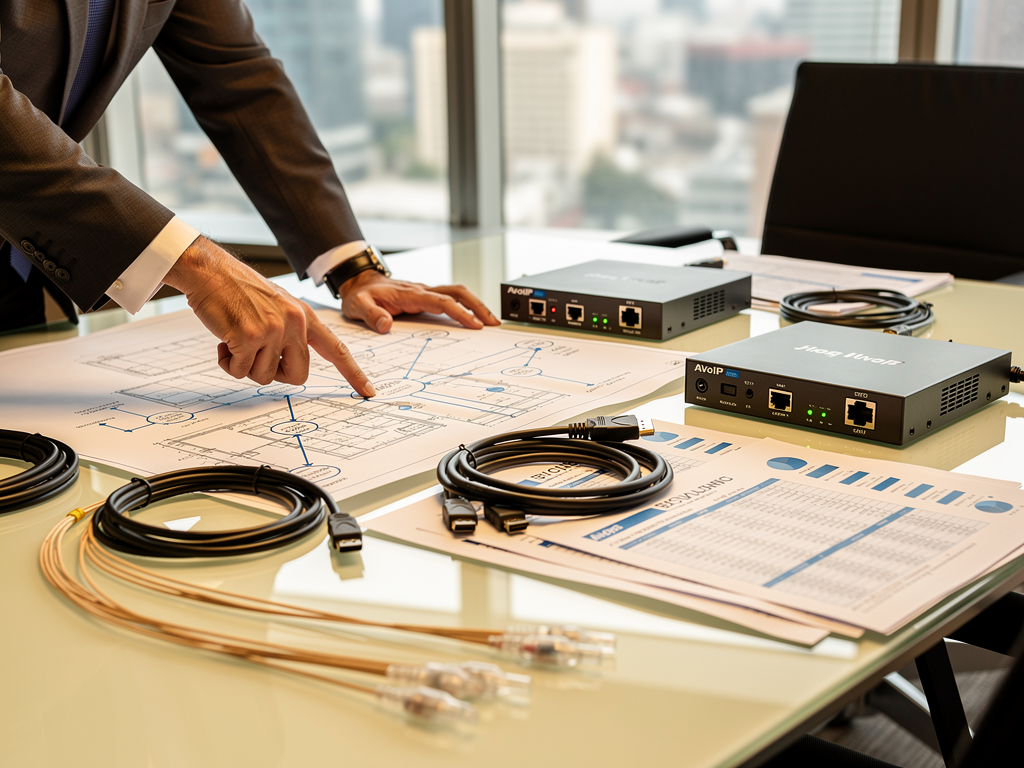
Phased deployment strategies allow organizations to spread capital expenditure over multiple budget cycles while building toward a comprehensive campus-wide system. Starting with high-priority spaces like executive conference rooms, main auditoriums, and training facilities provides immediate value while establishing the network infrastructure and management platforms that subsequent phases will utilize.
When comparing costs, it's important to consider total cost of ownership rather than just initial equipment pricing. AVoIP systems typically require less ongoing maintenance than traditional matrix systems, with no expensive proprietary cables to replace and the ability to upgrade individual endpoints without replacing entire systems. Products from value-focused manufacturers like BZBGEAR and TiGHT AV offer excellent price-to-performance ratios that make campus-scale deployments financially viable.
Future-Proofing Your Campus AVoIP Investment
Technology evolution is inevitable, and campus AVoIP systems must be designed with adaptability in mind. The transition from 4K to 8K resolution, the emergence of new compression standards, and evolving security requirements all demand systems that can be upgraded without complete replacement.
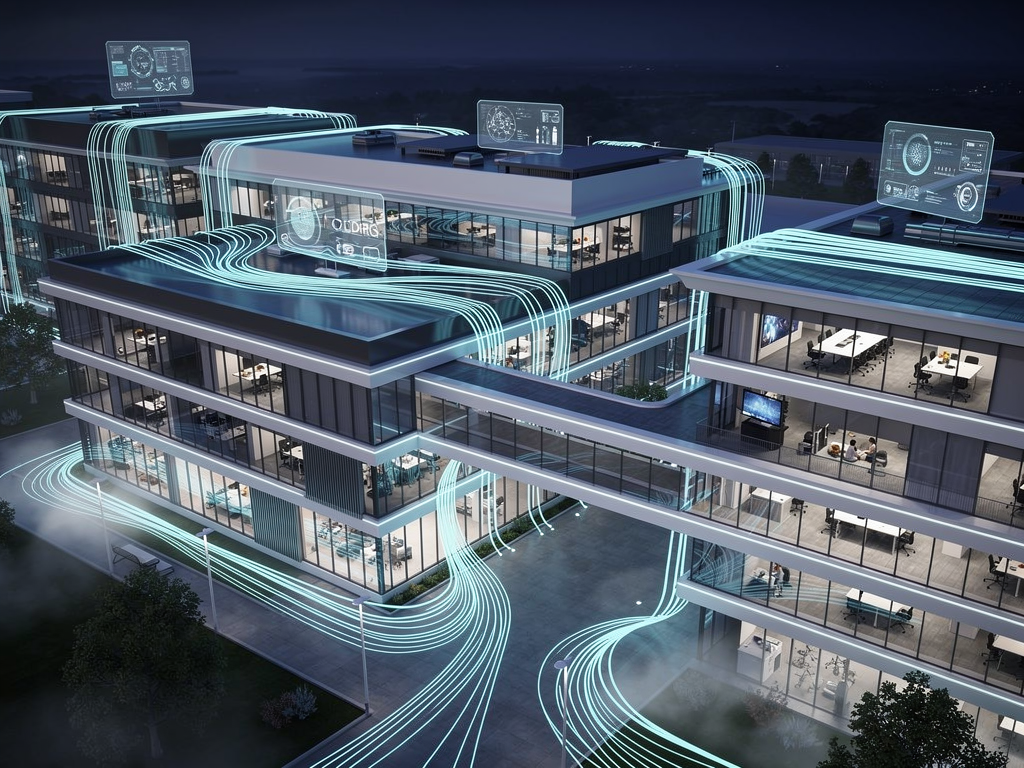
Standards-based solutions provide the best protection against obsolescence. Technologies like NDI, SDVoE, and Dante AV Ultra offer interoperability between manufacturers, reducing vendor lock-in and ensuring that future equipment additions can integrate with existing infrastructure. The AVoIP industry continues to mature, with increasing standardization that benefits end users through greater choice and competition.
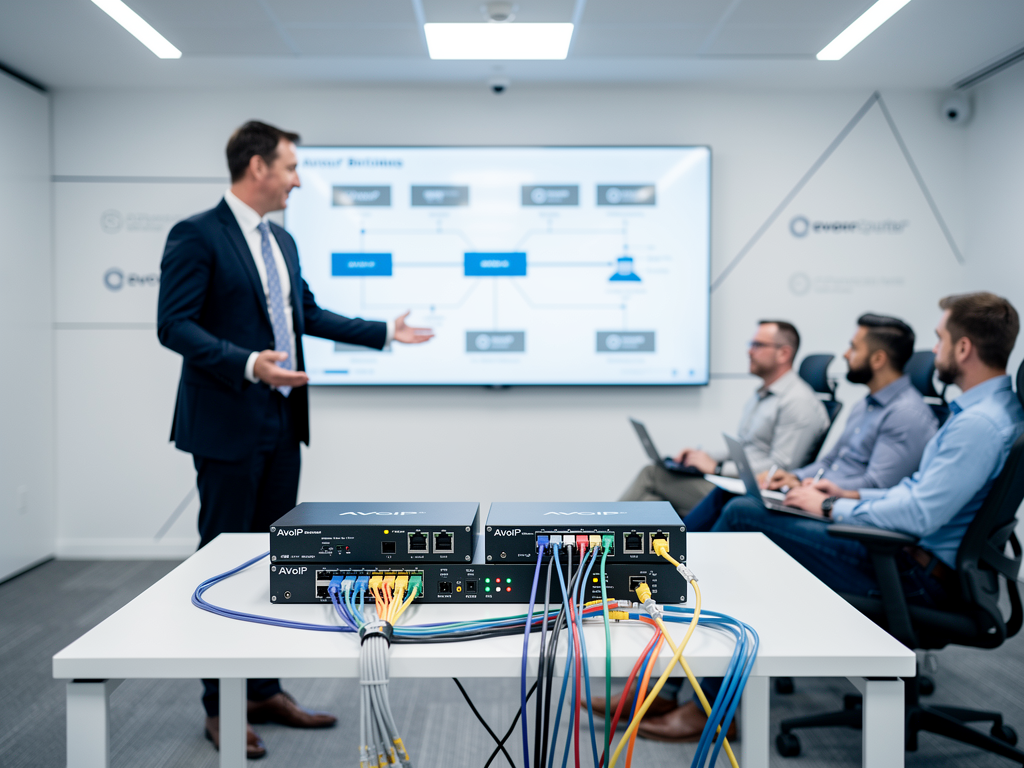
Network infrastructure investments should anticipate bandwidth growth. While current 4K deployments might function adequately on 10 Gbps backbones, planning for 25 Gbps or higher ensures headroom for 8K content, increased endpoint density, and additional services that might share the network infrastructure in the future.
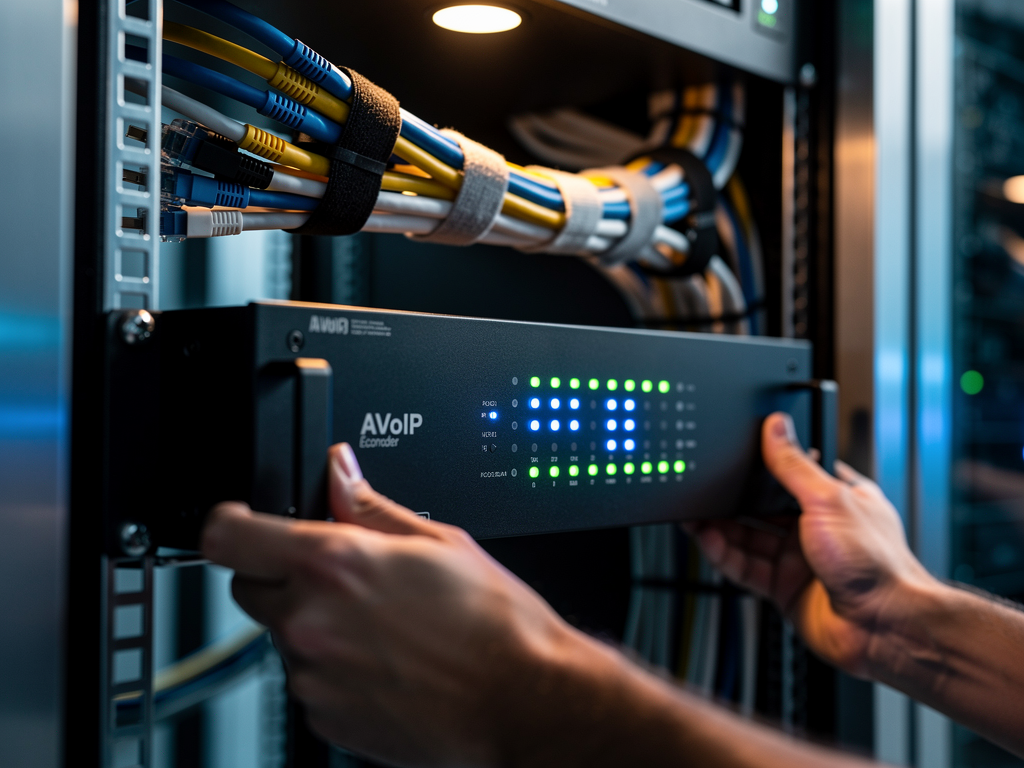
Staff training and documentation round out a comprehensive future-proofing strategy. Systems are only as effective as the people operating them, and investing in training ensures that technical staff can troubleshoot issues, optimize performance, and adapt the system to changing organizational needs. Detailed documentation of network configurations, VLAN assignments, and multicast addressing schemes proves invaluable when staff transitions occur or when integrating new equipment.

Campus-scale AVoIP deployments represent a significant undertaking, but the flexibility, scalability, and cost efficiency they provide make them increasingly attractive compared to traditional approaches. By carefully considering network architecture, selecting appropriate equipment, implementing robust management systems, and planning for future growth, organizations can build AVoIP infrastructure that serves their needs for years to come.
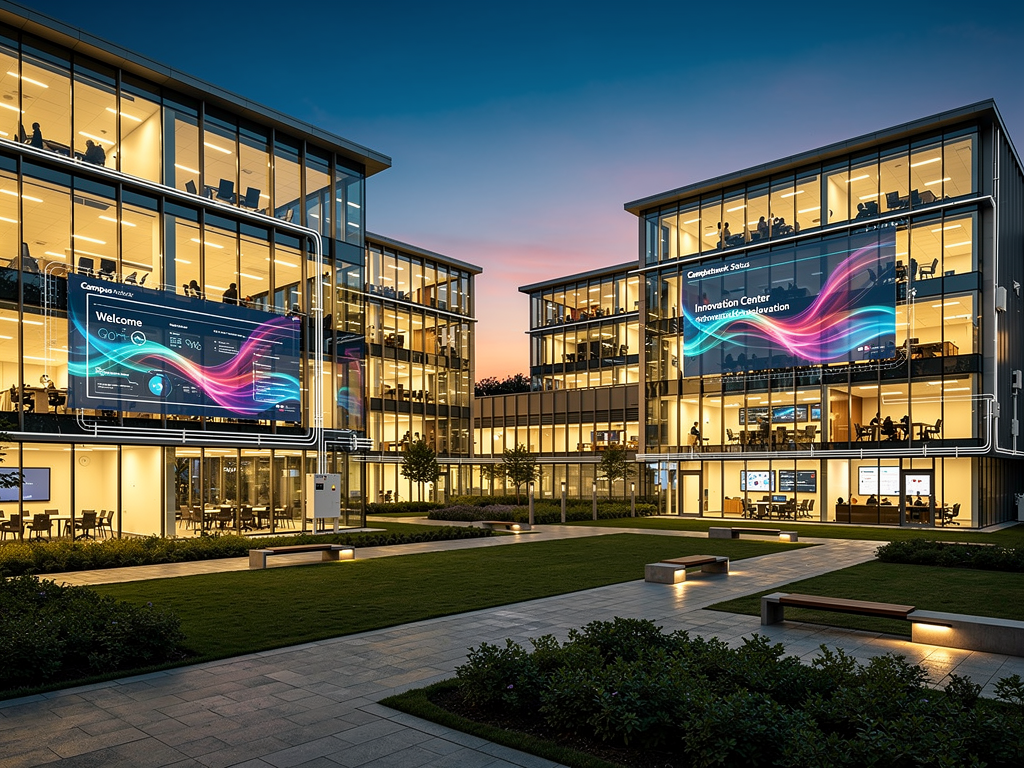
The journey from concept to fully operational campus AVoIP system requires expertise, careful planning, and the right technology partners. Whether you're beginning your first exploration of AVoIP solutions or expanding an existing deployment, the principles outlined in this guide provide a foundation for success at any scale.
Comments(0)