Integrating AVoIP with Building Management Systems (BMS)
Discover how to integrate AV over IP (AVoIP) systems with Building Management Systems (BMS) for smart facilities. This guide covers technical considerations, implementation strategies, and best practices for seamless AV and building automation.
AVoIP AV Directory
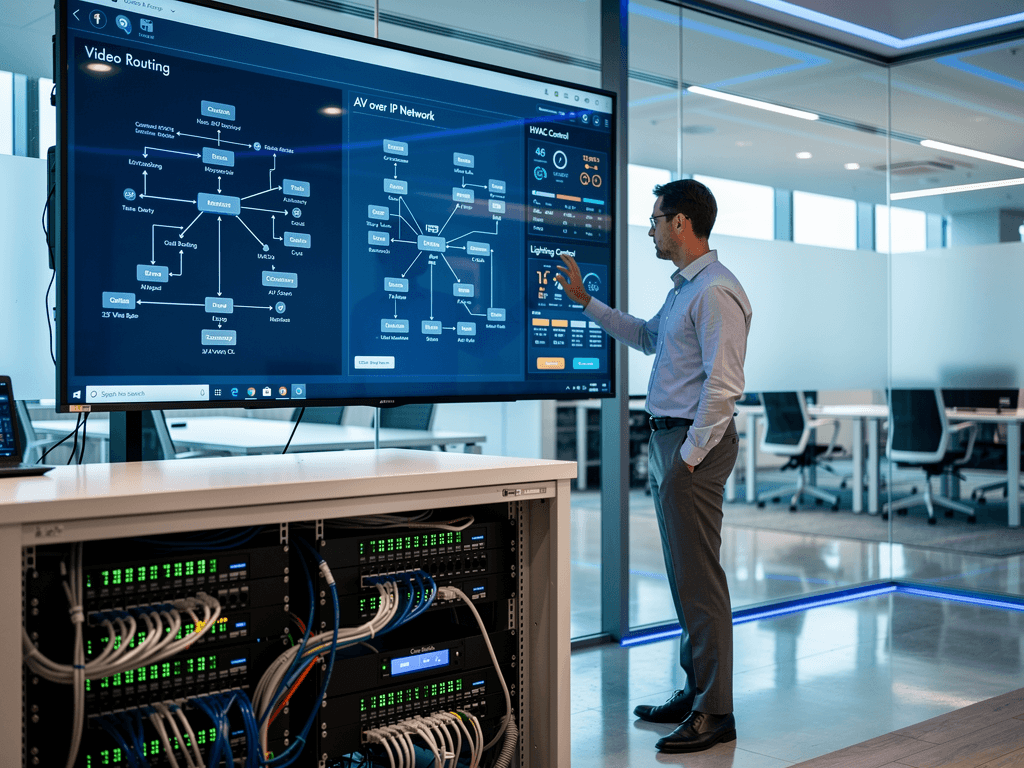
How to Integrate AVoIP with Building Management Systems for Smart Facilities
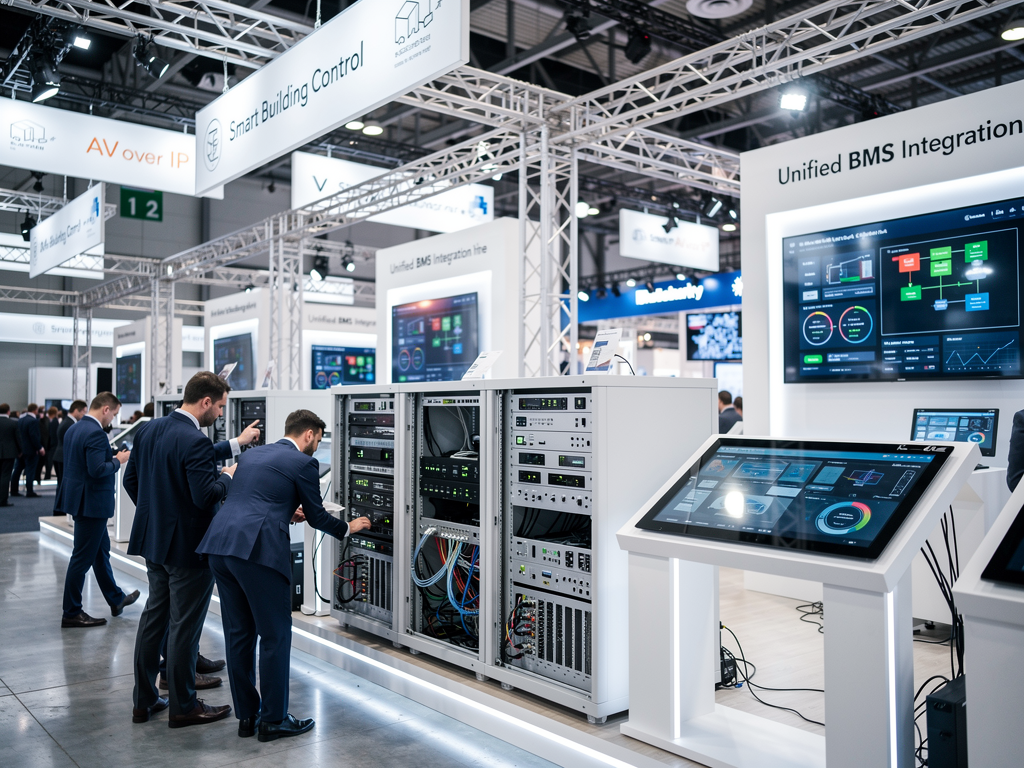
The convergence of audiovisual technology and building automation represents one of the most significant advances in modern facility management. As organizations seek greater operational efficiency and enhanced user experiences, the integration of AV over IP systems with Building Management Systems (BMS) has emerged as a critical capability for smart facilities. This comprehensive guide explores the technical considerations, implementation strategies, and best practices for creating seamless connections between these two essential infrastructure components.
Understanding the Intersection of AVoIP and Building Management Systems
Building Management Systems serve as the central nervous system for modern facilities, controlling everything from HVAC and lighting to security and access control. When AVoIP technology enters this ecosystem, it introduces powerful new possibilities for automation, monitoring, and user experience enhancement. The fundamental principle behind this integration lies in the shared network infrastructure that both systems can utilize, creating opportunities for data exchange and coordinated responses to environmental conditions.
AVoIP encoders and decoders from manufacturers like Visionary Solutions and TiGHT AV are designed with open protocols that facilitate communication with third-party systems. The E5000 encoder from Visionary Solutions, for example, offers API access that enables BMS platforms to query device status, trigger content changes, and receive alerts when issues arise. This bidirectional communication transforms standalone AV equipment into intelligent nodes within a broader facility automation framework.
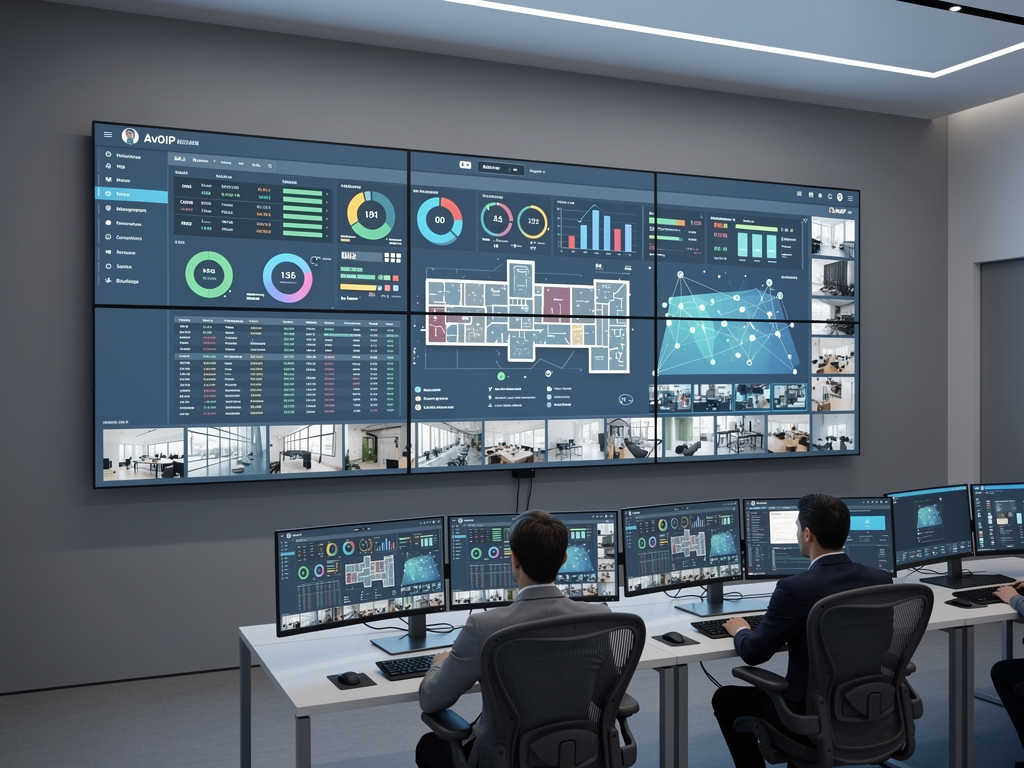
The practical benefits of this integration extend across multiple operational domains. Conference rooms can automatically adjust lighting and deploy displays when meetings begin. Digital signage can respond to occupancy sensors, displaying relevant content only when viewers are present. Emergency systems can commandeer all displays facility-wide to broadcast evacuation instructions. These scenarios represent just a fraction of the possibilities that emerge when AV and building systems communicate effectively.
Network Architecture Considerations for Unified Systems
Successful integration begins with thoughtful network design that accommodates the distinct requirements of both AVoIP and BMS traffic. While building automation protocols like BACnet and Modbus typically generate modest bandwidth demands, video streams from AVoIP encoders require substantially more network capacity. Creating a unified infrastructure that serves both purposes demands careful attention to segmentation, quality of service policies, and redundancy provisions.
Virtual LAN configurations provide the foundation for separating traffic types while maintaining the ability to route data between systems when needed. A typical deployment might place AVoIP devices on dedicated VLANs with multicast routing enabled, while BMS controllers occupy separate management VLANs with strict access controls. The integration layer, often a middleware platform or custom application, bridges these segments to enable coordinated operations without compromising security or performance.
Quality of Service policies deserve particular attention in converged environments. AVoIP streams, especially those utilizing protocols like NDI or Dante AV, require consistent low-latency delivery to maintain synchronization and visual quality. Products from BZBGEAR and ADTECHNO implement standards-compliant QoS marking that network switches can recognize and prioritize appropriately. Configuring switches to honor these markings ensures that video traffic receives preferential treatment during periods of network congestion.
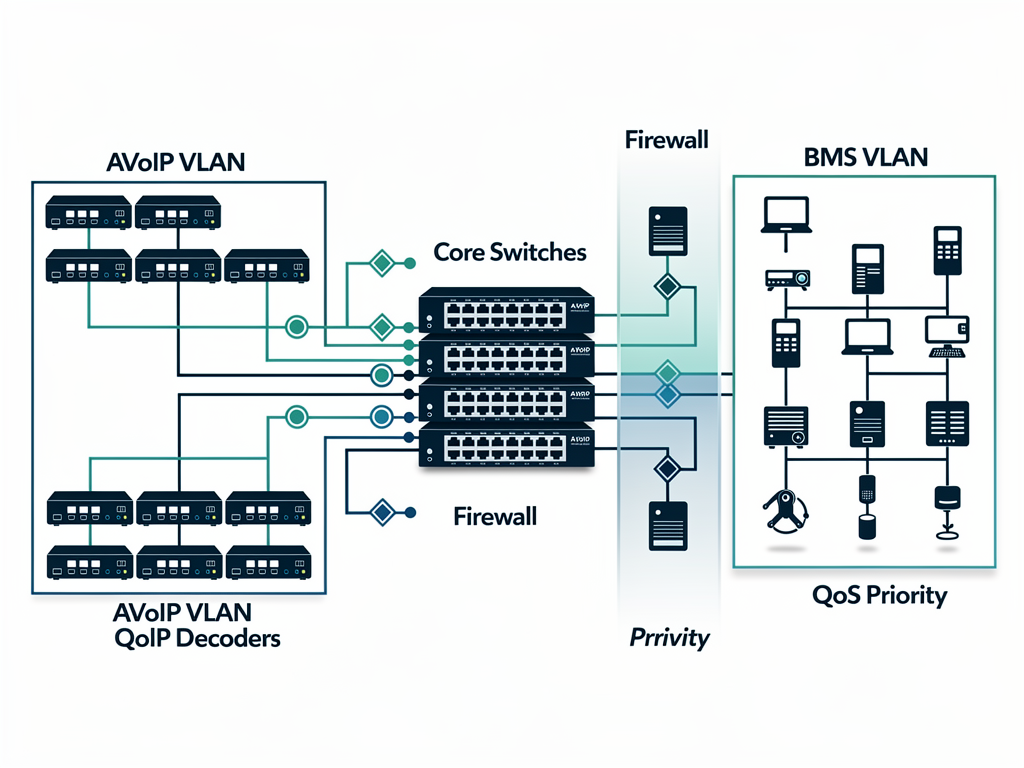
Redundancy planning must account for the critical nature of both systems. While a brief interruption to digital signage might be acceptable, losing BMS connectivity could affect building safety systems. Designing redundant network paths, implementing link aggregation where appropriate, and ensuring that integration middleware can fail over gracefully all contribute to system resilience.
Protocol Translation and Middleware Solutions
The technical challenge of connecting AVoIP equipment to building management platforms often centers on protocol translation. BMS platforms typically communicate using protocols like BACnet, LonWorks, or Modbus, while AVoIP devices may offer REST APIs, MQTT interfaces, or proprietary control protocols. Bridging these different communication methods requires either native support within the BMS platform or dedicated middleware that can translate between protocols.
Many modern AVoIP controllers and management platforms include built-in integration capabilities. Netvio and Craltech, for instance, offer controller solutions with extensive driver libraries for popular BMS platforms. These pre-built integrations significantly reduce implementation complexity by providing tested, supported connections between systems. When evaluating AVoIP solutions for smart facility deployments, the availability of BMS integration drivers should factor prominently in product selection.
For scenarios requiring custom integration, middleware platforms like Node-RED, Home Assistant (for smaller deployments), or enterprise integration platforms provide flexible frameworks for building protocol bridges. These tools can subscribe to MQTT topics published by AVoIP devices, translate the data into BACnet objects, and write values to BMS controllers. The reverse path enables BMS events to trigger AVoIP actions, creating truly bidirectional automation.
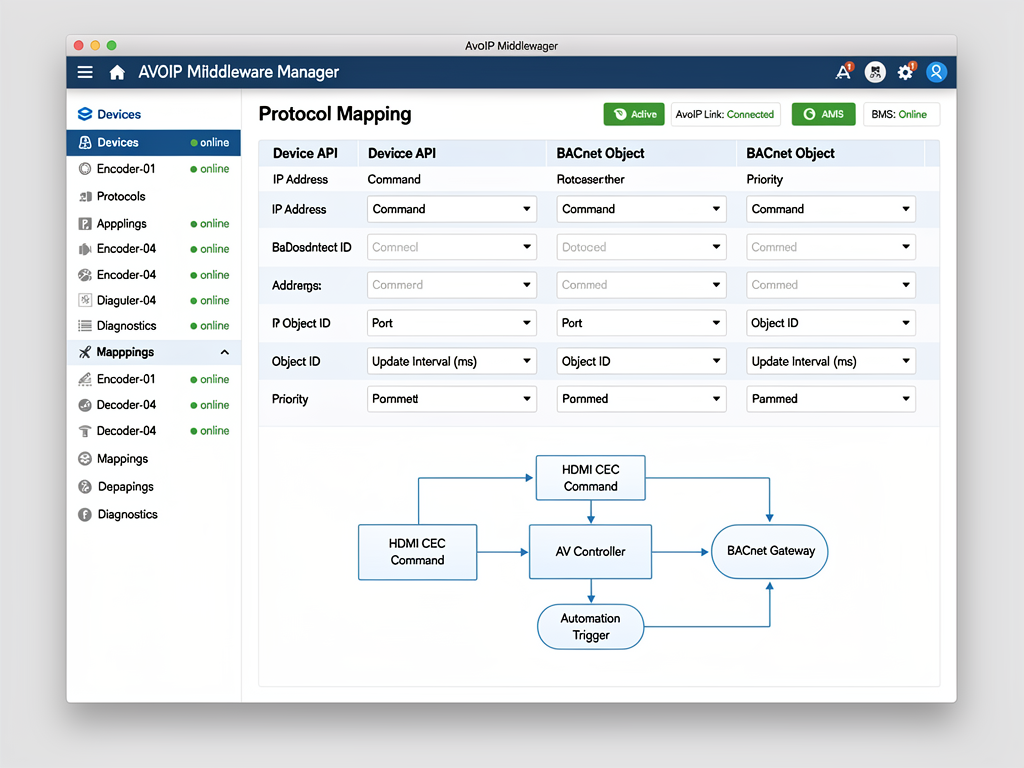
Security considerations become paramount when creating these integration pathways. API credentials, network access permissions, and data validation all require careful attention. Implementing certificate-based authentication, encrypting communications between systems, and logging all integration activities help maintain security posture while enabling the desired functionality.
Practical Use Cases and Implementation Scenarios
Corporate conference rooms represent perhaps the most common application for AVoIP and BMS integration. When a room booking system indicates an upcoming meeting, the BMS can signal AVoIP decoders to power on displays, adjust lighting to presentation levels, and configure the room's audio system for the expected number of participants. TiGHT AV encoders and decoders excel in these applications, offering rapid wake-from-standby capabilities that ensure systems are ready when users arrive.
Healthcare facilities benefit enormously from integrated systems that can respond to clinical workflows. Patient room displays can automatically show relevant information when staff badge into the room, while digital wayfinding systems update in real-time based on facility conditions. Emergency codes can trigger immediate content changes across all facility displays, ensuring critical information reaches everyone who needs it.
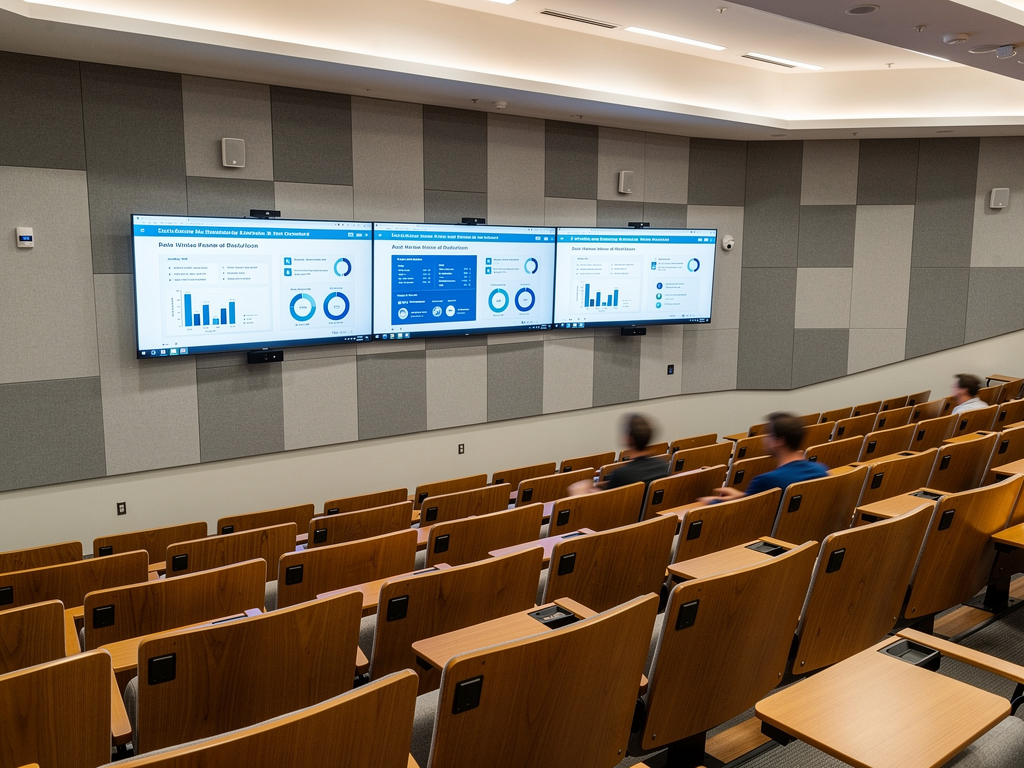
Educational institutions leverage integration to create responsive learning environments. Classroom AVoIP systems can coordinate with occupancy sensors and scheduling systems to prepare rooms for instruction, automatically routing content from lecture capture systems to recording servers when classes begin. Energy management benefits as well, with displays powering down during unoccupied periods based on BMS sensor data.
Retail environments use integration to create dynamic customer experiences. Digital signage content can shift based on store occupancy levels, time of day, or even weather conditions fed from BMS environmental sensors. BZBGEAR multiviewers can aggregate multiple content sources, with the BMS determining which sources appear based on current conditions.
Best Practices for Deployment and Commissioning
Successful integration projects follow structured methodologies that address both technical and organizational factors. Beginning with comprehensive documentation of existing systems, including network topologies, protocol specifications, and operational requirements, establishes the foundation for integration planning. This discovery phase often reveals previously unknown dependencies or constraints that affect implementation approaches.
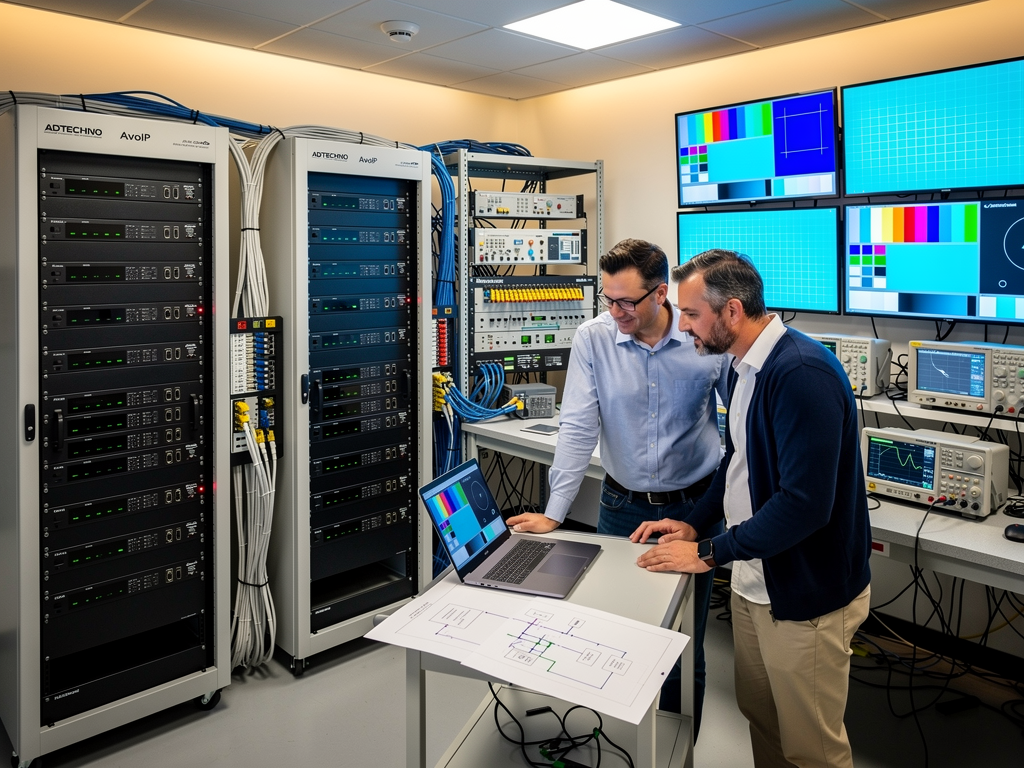
Staging environments prove invaluable for testing integration logic before deploying to production systems. Creating a lab setup with representative AVoIP equipment from vendors like ADTECHNO or Visionary Solutions, along with BMS simulation tools, allows teams to validate automation sequences without risking disruption to occupied facilities. This testing should include failure scenarios to verify that systems degrade gracefully when components become unavailable.
Documentation must extend beyond technical specifications to include operational procedures for facility staff. Creating clear runbooks that explain how integrated systems behave, what alerts to expect, and how to troubleshoot common issues empowers building operators to maintain systems effectively. Training sessions that demonstrate both normal operations and exception handling build confidence and competence among support personnel.
Change management processes should govern modifications to integrated systems. Because changes to either AVoIP configurations or BMS programming can affect the other system, coordinating updates and maintaining version control across both platforms prevents unexpected interactions. Implementing formal change approval workflows and maintaining rollback capabilities protects against integration failures.
Cost Considerations and Return on Investment
Integration projects require investment in both technology and professional services, making cost-benefit analysis essential for project approval. Hardware costs for AVoIP equipment vary significantly based on capabilities and brand positioning. Products from manufacturers like Craltech and Netvio often provide excellent value for integration-focused deployments, offering robust API support without premium pricing.

Software licensing for middleware platforms and BMS integration modules adds to project costs. Some AVoIP manufacturers include basic integration capabilities in their standard offerings, while advanced features may require additional licensing. Evaluating total cost of ownership across multiple vendor options helps identify the most economical path to achieving integration objectives.
Return on investment typically materializes through energy savings, operational efficiency gains, and enhanced user experiences. Automated power management for displays can reduce energy consumption by 30% or more compared to manually controlled systems. Staff productivity improves when meeting rooms configure themselves automatically. Maintenance costs decrease when integrated monitoring identifies issues before they cause failures.
Future Trends and Emerging Technologies
The trajectory of AVoIP and BMS integration points toward increasingly sophisticated capabilities enabled by artificial intelligence and machine learning. Predictive systems that anticipate user needs based on historical patterns, automatically optimizing room configurations before occupants arrive, represent the next frontier in smart facility management.
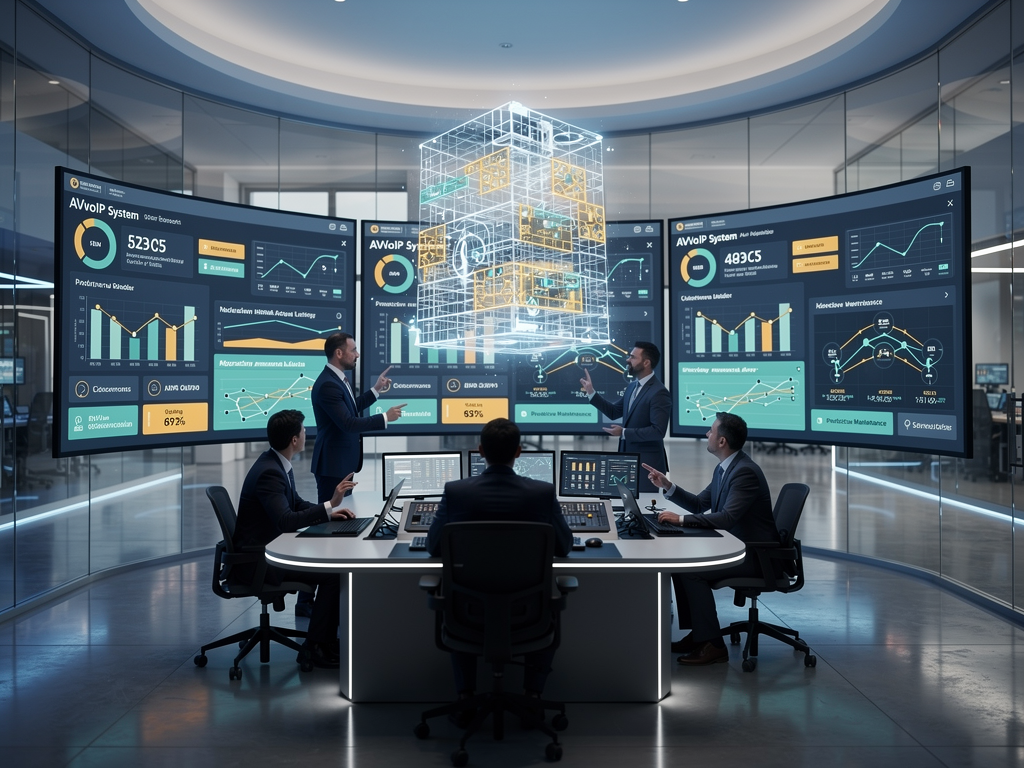
Edge computing architectures are enabling more responsive integration by processing data closer to devices rather than routing everything through central servers. AVoIP encoders and decoders with embedded processing capabilities can make local decisions based on BMS inputs, reducing latency and improving reliability. This distributed intelligence model aligns well with the scalability requirements of large facility deployments.
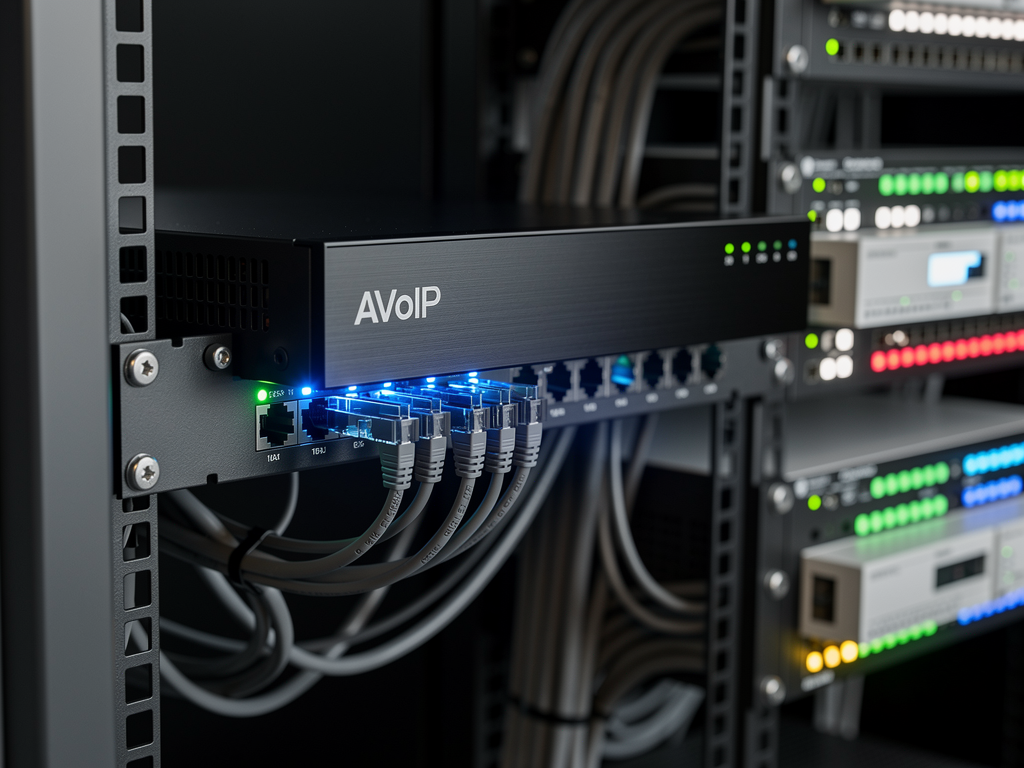
Standardization efforts continue advancing interoperability between systems. Initiatives promoting open APIs and common data models reduce the custom development required for integration projects. As these standards mature, the barrier to entry for AVoIP and BMS integration will continue decreasing, making smart facility capabilities accessible to a broader range of organizations.
Cybersecurity considerations will increasingly influence integration architectures as connected building systems become more attractive targets for malicious actors. Zero-trust networking principles, continuous authentication, and encrypted communications will become standard requirements rather than optional enhancements. Selecting AVoIP equipment from manufacturers committed to security, such as those featured in the AVoIP Solutions Directory, helps ensure that integration projects meet evolving security expectations.
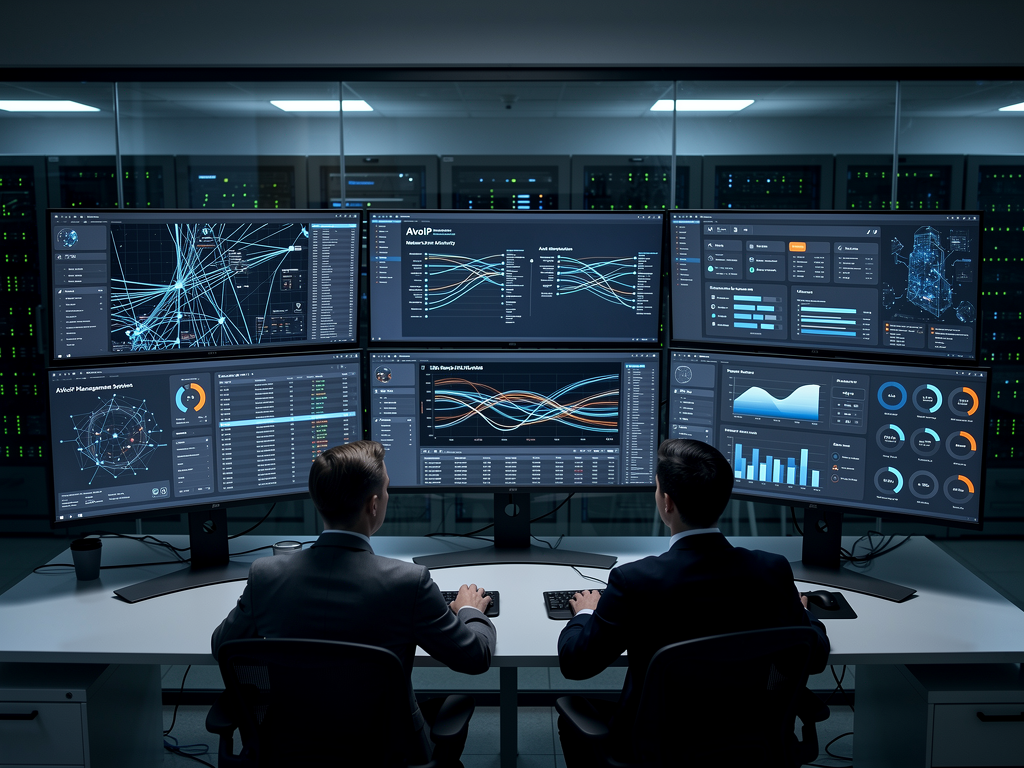
The integration of AVoIP with Building Management Systems represents a significant opportunity for organizations seeking to create smarter, more responsive facilities. By understanding the technical requirements, following established best practices, and selecting appropriate products from quality manufacturers, facility managers and AV professionals can deliver solutions that enhance both operational efficiency and user experience. The resources available through specialized platforms help identify the right products for specific integration requirements, supporting successful project outcomes.
Comments(0)