Integrate AVoIP with Existing AV Infrastructure Seamlessly
Learn how to integrate AV over IP (AVoIP) with your current AV infrastructure. This guide covers assessing systems, selecting equipment, network best practices, and bridging legacy matrix systems for a successful hybrid deployment.
Avoip AV Directory
How to Integrate AVoIP with Existing AV Infrastructure
Transitioning from traditional matrix switching to AV over IP represents one of the most significant upgrades a facility can undertake. The challenge lies not in abandoning existing infrastructure but in creating a harmonious bridge between legacy systems and modern networked AV solutions. Organizations worldwide are discovering that AVoIP integration does not require a complete overhaul. Instead, thoughtful planning and strategic equipment selection can extend the life of existing investments while unlocking the scalability and flexibility that IP-based distribution provides.
Whether you manage a corporate campus, educational institution, or house of worship, understanding how to blend these technologies effectively will determine the success of your deployment. This comprehensive guide walks you through the essential considerations, practical approaches, and proven strategies for seamless AVoIP integration with your current AV infrastructure.
Assessing Your Current Infrastructure and Identifying Integration Points
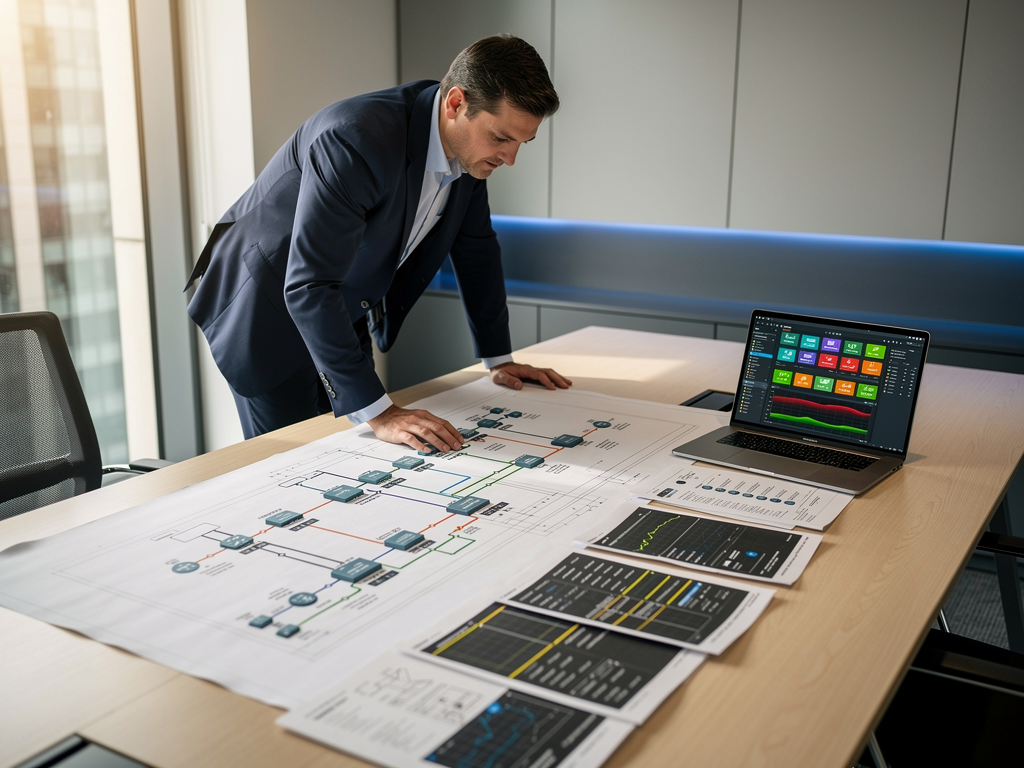
Before purchasing any new equipment, conducting a thorough audit of your existing AV infrastructure is essential. Document every source device, display endpoint, control system, and cable run currently in place. This inventory becomes your roadmap for determining which components can remain, which require adaptation, and which should be replaced entirely. Pay particular attention to the signal types flowing through your facility, whether HDMI, SDI, HDBaseT, or analog formats.
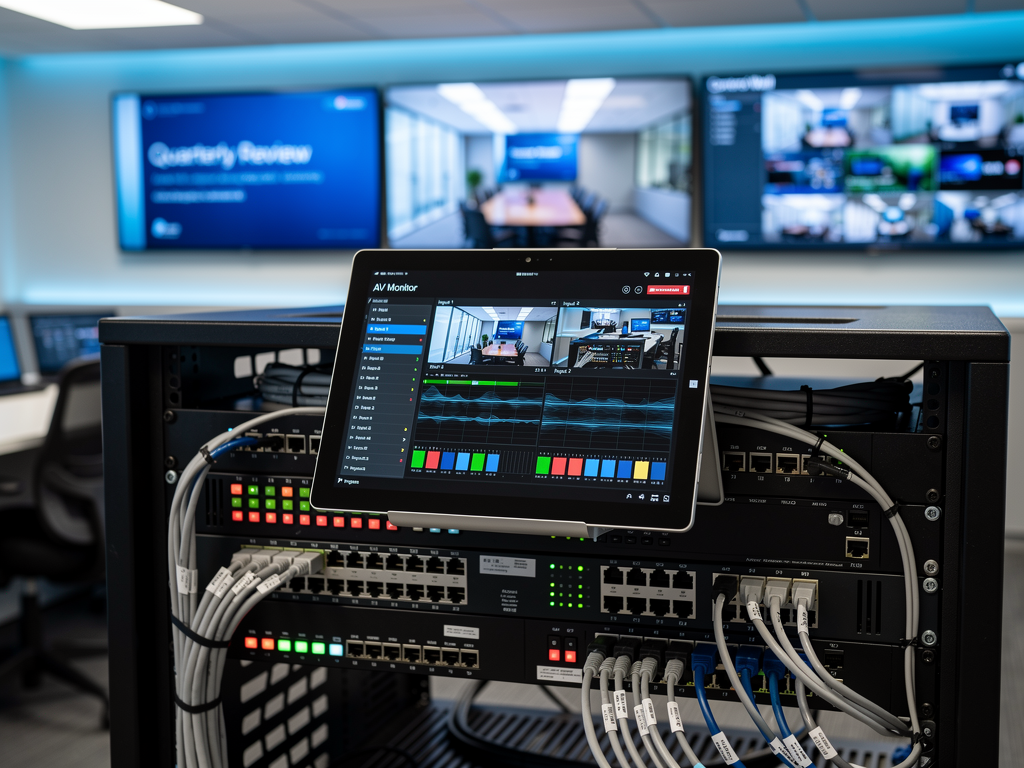
Identifying natural integration points within your current system accelerates the transition process considerably. Look for locations where signals converge, such as equipment closets, head-end rooms, or central distribution frames. These convergence points often represent ideal locations for installing AVoIP encoders that can capture existing signals and redistribute them across your network. Similarly, examine your display endpoints to determine whether decoder placement makes practical sense given existing network connectivity.
Network infrastructure assessment deserves equal attention during this phase. Evaluate your current Ethernet backbone capacity, switch capabilities, and VLAN configuration options. Many organizations discover that their data network already possesses sufficient bandwidth for AVoIP deployment, particularly when implementing solutions from manufacturers like Visionary AV that offer efficient compression technologies. Understanding your network topology early prevents costly surprises during implementation.
Selecting Compatible AVoIP Equipment for Hybrid Environments
Choosing the right AVoIP equipment for integration scenarios requires careful consideration of input and output flexibility. Encoders with multiple input options prove invaluable when connecting to various legacy source types. Products from manufacturers such as BZBGEAR and TiGHT AV often feature both HDMI and SDI inputs on single units, allowing them to interface with professional broadcast equipment alongside consumer sources without requiring additional converters.
Decoder selection similarly benefits from versatility in output options. Many integration projects involve feeding existing matrix switchers or distribution amplifiers that expect specific signal types. Decoders offering both HDMI and analog audio breakout, like certain models in the ADTECHNO product lineup, simplify connections to legacy audio systems that remain in service. This flexibility eliminates the need for external audio de-embedders and reduces potential failure points.
Protocol compatibility represents another critical selection criterion. The AVoIP landscape includes multiple competing standards, including NDI, SDVoE, Dante AV, and various proprietary implementations. For integration projects, choosing equipment that supports multiple protocols or offers gateway functionality between systems provides maximum flexibility. Craltech and Netvio both offer solutions designed specifically for environments requiring protocol translation and multi-standard support.
Control system integration capabilities should influence equipment selection significantly. Modern AVoIP solutions from reputable manufacturers include comprehensive API documentation, RS-232 control ports, and support for common control protocols. This ensures your existing Crestron, Extron, or AMX control system can manage new networked devices alongside legacy equipment through unified programming.
Network Configuration Best Practices for AVoIP Deployment
Successful AVoIP integration demands proper network configuration that balances video traffic requirements with existing data network operations. Implementing VLANs dedicated to AV traffic represents the foundation of any professional deployment. This segmentation prevents video streams from impacting business-critical data applications while allowing network administrators to apply appropriate Quality of Service policies specifically to AV traffic.
IGMP snooping configuration requires particular attention when deploying multicast-based AVoIP solutions. Without proper IGMP configuration, multicast video streams flood all switch ports rather than flowing only to subscribing endpoints. This flooding consumes bandwidth unnecessarily and can overwhelm network segments. Work closely with your IT department to ensure switches throughout the video distribution path support and properly implement IGMP snooping with querier functionality.
Bandwidth planning calculations should account for both current deployment and future expansion. While many AVoIP solutions offer adjustable compression levels, planning for highest-quality transmission ensures headroom for demanding applications. A single 4K60 stream at visually lossless quality may require anywhere from 100 Mbps to 1 Gbps depending on the encoding technology employed. Manufacturers like TiGHT AV provide detailed bandwidth specifications that facilitate accurate planning.
Redundancy considerations become increasingly important as organizations rely more heavily on networked AV distribution. Implementing redundant network paths, dual power supplies where available, and failover mechanisms protects against single points of failure. Some AVoIP platforms offer automatic failover between primary and backup streams, providing broadcast-grade reliability for mission-critical applications.
Bridging Legacy Matrix Systems with IP Distribution
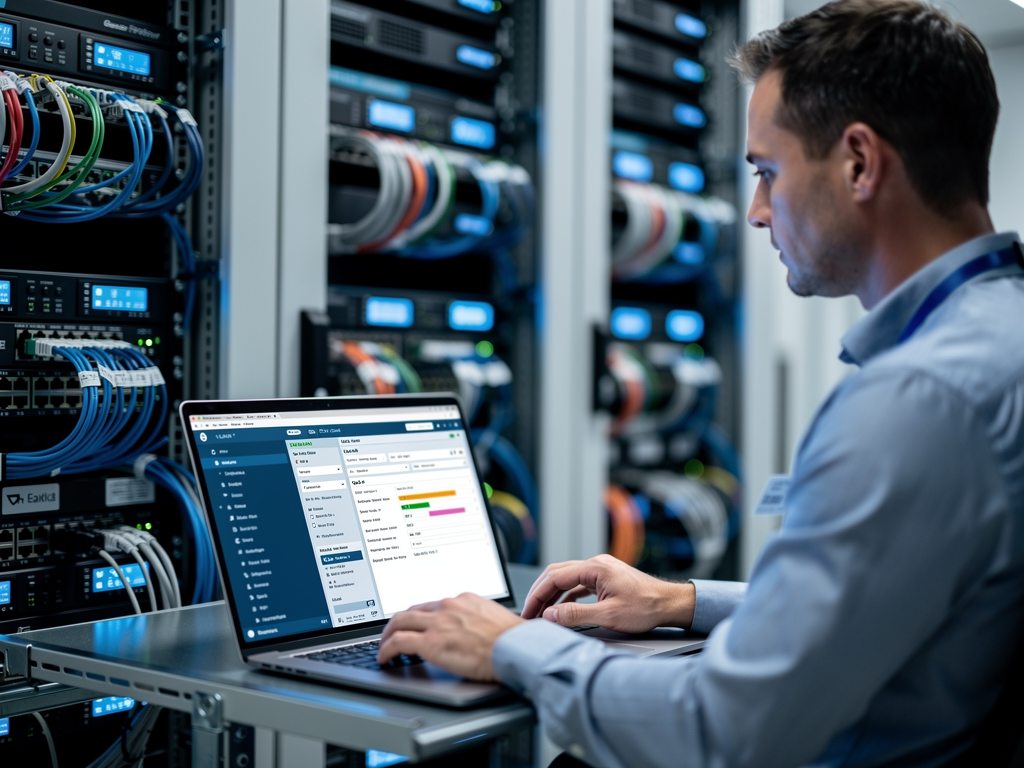
Many facilities have invested significantly in traditional matrix switchers that continue functioning reliably. Rather than abandoning these systems, strategic placement of AVoIP encoders and decoders can extend their reach across entire campuses. This approach treats the legacy matrix as a zone within a larger distributed architecture, preserving existing functionality while adding networked distribution capabilities.
Installing encoders on matrix outputs allows any source connected to the traditional system to become available network-wide. A conference room presentation that previously reached only displays wired to the matrix can now stream to any decoder on the network. This dramatically increases the utility of existing source equipment without requiring physical relocation or additional cabling to distant endpoints.
Conversely, connecting decoders to matrix inputs brings network sources into the legacy switching environment. Remote presenters, digital signage content, and IP cameras become selectable sources alongside locally connected equipment. This bidirectional integration creates a unified content ecosystem where the distinction between local and networked sources becomes transparent to end users.
Control system programming updates enable seamless operation of these hybrid configurations. Experienced programmers can create macros that automatically route signals through both matrix and network paths as needed, presenting users with simple source and destination selections while handling complex switching logic behind the scenes. Products from Netvio and similar manufacturers often include control drivers that simplify this programming effort.
Managing Audio Integration Challenges in Hybrid Systems
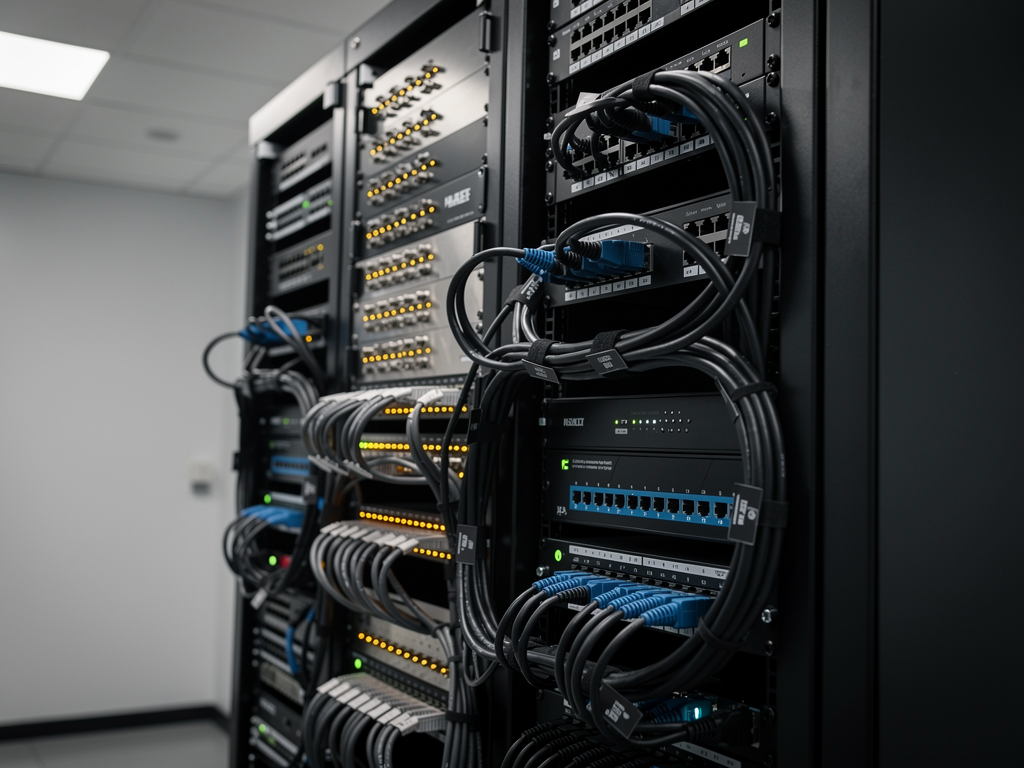
Audio integration often presents more complexity than video when combining legacy and networked systems. Traditional AV installations frequently include separate audio routing through analog or AES/EBU matrices, DSP systems, and amplification chains. Maintaining audio synchronization across these disparate paths requires careful attention to latency matching and signal timing.
Many AVoIP solutions embed audio within the video stream, which works well for simple display applications but complicates integration with existing audio infrastructure. Selecting encoders and decoders with dedicated audio breakout capabilities allows extracted audio to feed legacy processing chains. BZBGEAR and ADTECHNO both offer products with flexible audio handling that accommodates these requirements.
Dante audio networking has emerged as a popular solution for audio distribution that complements video-focused AVoIP systems. Facilities already utilizing Dante for audio can benefit from AVoIP products offering native Dante integration. This approach keeps audio and video on separate but coordinated network paths, simplifying troubleshooting while maintaining synchronization through PTP timing protocols.
Lip sync management becomes critical when audio and video travel different paths with varying latency characteristics. Professional AVoIP equipment includes adjustable audio delay settings that allow technicians to align audio timing with video processing delays. Documenting these delay values for each signal path ensures consistent performance and simplifies future troubleshooting.
Phased Implementation Strategies for Minimal Disruption
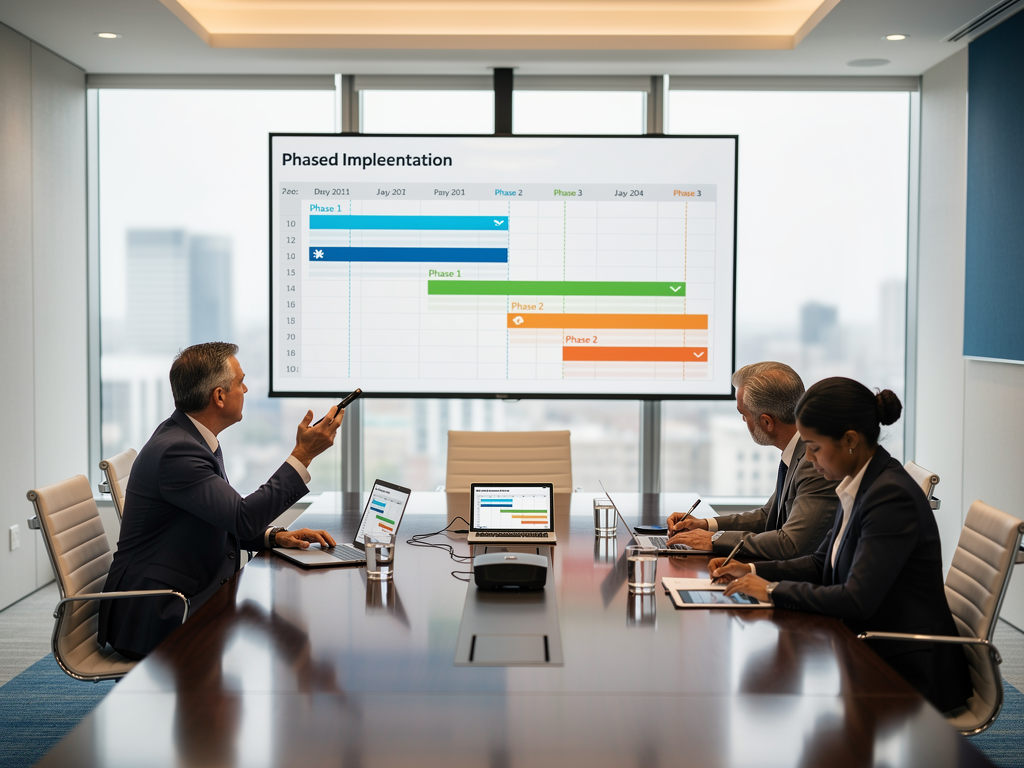
Attempting to transition an entire facility to AVoIP simultaneously introduces unnecessary risk and operational disruption. Phased implementation allows organizations to gain experience with networked AV technology while maintaining reliable service throughout the transition. Starting with non-critical spaces or new construction areas provides learning opportunities before tackling mission-critical environments.
The first phase typically involves deploying AVoIP in a single zone or building while leaving existing infrastructure operational elsewhere. This contained deployment allows technical staff to develop familiarity with configuration, troubleshooting, and maintenance procedures. Documenting lessons learned during this phase improves subsequent deployment efficiency considerably.
Subsequent phases can progressively expand networked distribution while retiring legacy equipment as it reaches end-of-life. This approach spreads capital expenditure across multiple budget cycles while ensuring that functional equipment continues providing value. Many organizations find that a three to five year transition timeline balances modernization goals with practical budget constraints.
Training programs should accompany each implementation phase, ensuring that both technical staff and end users understand new capabilities and procedures. Manufacturers like Visionary AV and Craltech offer training resources and certification programs that accelerate staff proficiency with their respective platforms.
Testing and Validation Procedures for Integrated Systems
Thorough testing validates that integrated systems perform reliably under real-world conditions. Developing comprehensive test procedures that exercise every signal path, switching combination, and control function ensures that edge cases receive attention before users encounter problems. Documenting test results creates baseline performance references useful for future troubleshooting.
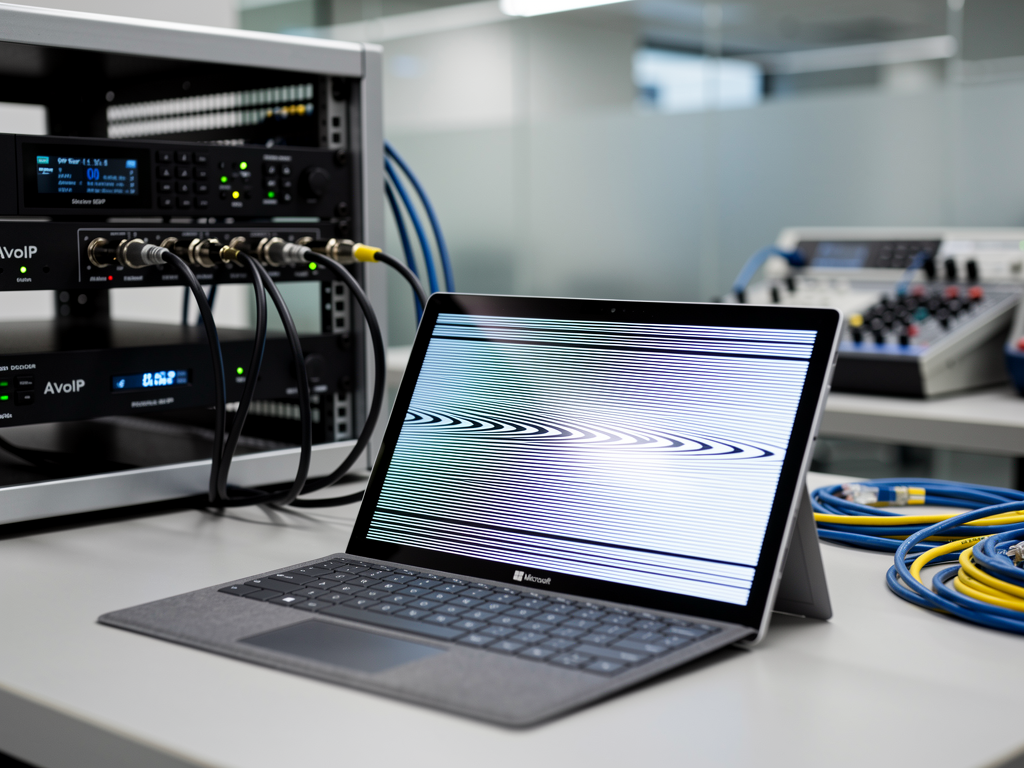
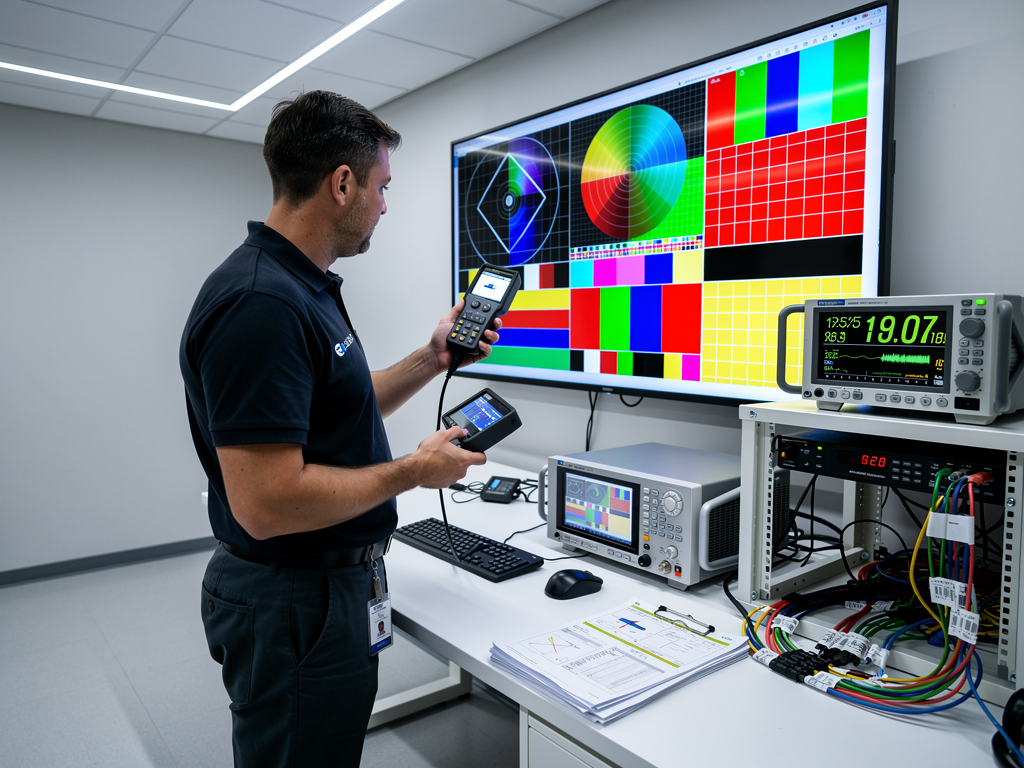
Video quality assessment should include both objective measurements and subjective evaluation. Test patterns reveal technical issues such as color accuracy problems, scaling artifacts, or compression anomalies that might escape casual observation. Having stakeholders evaluate actual content on representative displays provides confidence that quality meets expectations for intended applications.
Stress testing network infrastructure under maximum anticipated load conditions reveals capacity limitations before they impact operations. Simultaneously activating all planned video streams while monitoring network utilization and switch performance identifies potential bottlenecks. This testing should include failure scenario simulation to verify that redundancy mechanisms function correctly.
User acceptance testing involves actual end users operating the system through typical workflows. Their feedback often identifies usability issues that technical staff overlook. Addressing these concerns before formal handover improves adoption rates and reduces support burden following deployment completion.
Ongoing Maintenance and Future-Proofing Considerations
Integrated AVoIP systems require ongoing maintenance attention that differs from traditional AV infrastructure. Firmware updates from manufacturers regularly add features, improve performance, and address security vulnerabilities. Establishing update procedures and testing protocols ensures that systems remain current without introducing instability.
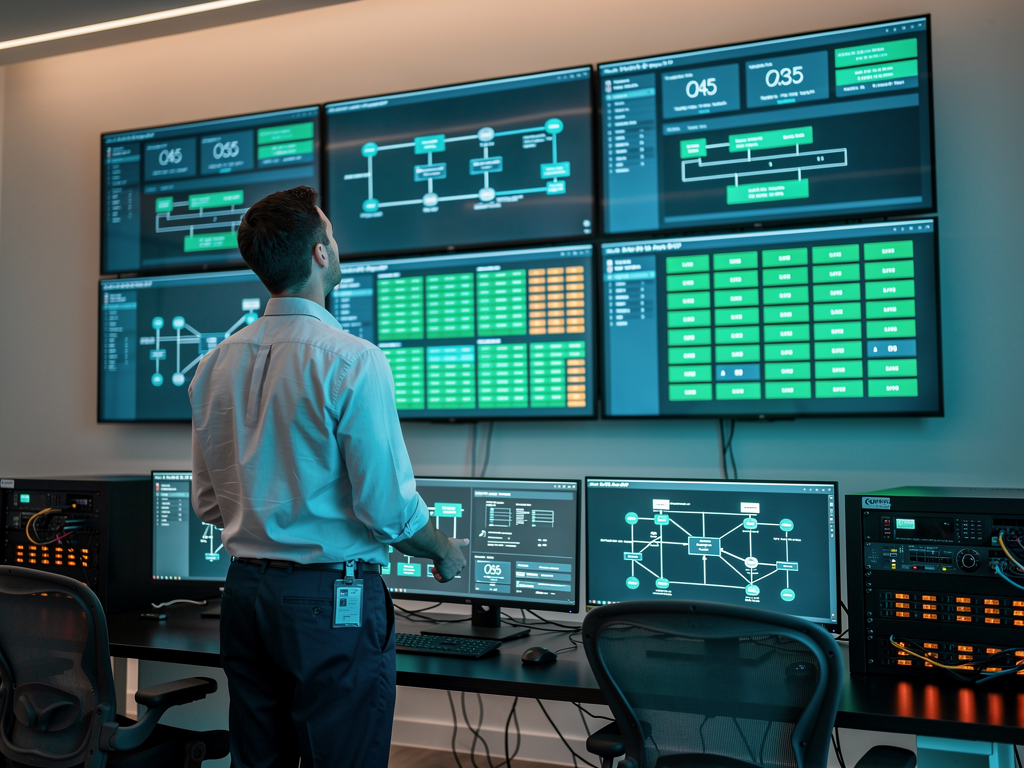
Network monitoring tools provide visibility into AVoIP system health that was unavailable with legacy equipment. Implementing SNMP monitoring, syslog collection, and bandwidth utilization tracking enables proactive identification of developing issues. Many AVoIP manufacturers offer management platforms that aggregate device status and simplify fleet-wide monitoring.
Documentation maintenance proves equally important as technical maintenance. Keeping network diagrams, IP address assignments, and configuration records current facilitates troubleshooting and supports future expansion planning. Version-controlled documentation repositories ensure that accurate information remains accessible to all stakeholders.
Planning for future expansion during initial deployment prevents costly rework later. Specifying switches with headroom for additional ports, running extra network drops to potential endpoint locations, and selecting AVoIP platforms with clear upgrade paths protects investments against evolving requirements. The flexibility inherent in IP-based distribution makes expansion significantly simpler than extending traditional matrix systems.
Cost Considerations and Return on Investment Analysis
Understanding the true cost of AVoIP integration requires looking beyond initial equipment purchases. While encoders and decoders represent obvious expenses, network infrastructure upgrades, installation labor, programming services, and training costs contribute significantly to total project budgets. Developing comprehensive cost estimates prevents budget surprises that can derail projects.
Comparing AVoIP integration costs against traditional expansion alternatives often reveals favorable economics for networked solutions. Extending a legacy matrix switcher to reach distant endpoints requires expensive home-run cabling, while AVoIP leverages existing network infrastructure. The cost crossover point varies by facility but typically favors AVoIP for distances exceeding 100 meters or when serving multiple buildings.
Operational cost savings accumulate over time through reduced maintenance requirements, simplified troubleshooting, and decreased energy consumption compared to traditional matrix systems. AVoIP equipment typically consumes less power per endpoint and generates less heat, reducing cooling requirements in equipment rooms. These ongoing savings improve return on investment calculations considerably.
Scalability advantages provide perhaps the most significant long-term value proposition. Adding endpoints to an AVoIP system requires only additional encoders or decoders and network ports, while traditional systems may require expensive matrix frame upgrades or complete replacement when capacity limits are reached. This scalability protects against obsolescence and supports organizational growth without proportional infrastructure investment.

Conclusion: Embracing the Hybrid Future of AV Distribution
Integrating AVoIP with existing AV infrastructure represents a practical path toward modernization that respects previous investments while unlocking new capabilities. Success requires thorough planning, appropriate equipment selection, proper network configuration, and phased implementation that minimizes operational disruption. Organizations that approach this transition thoughtfully discover that hybrid environments can deliver the best of both traditional reliability and networked flexibility.
The AVoIP industry continues maturing rapidly, with manufacturers like TiGHT AV, ADTECHNO, BZBGEAR, Craltech, Netvio, and Visionary AV delivering increasingly sophisticated integration-friendly solutions. By following the strategies outlined in this guide and partnering with knowledgeable integrators, facilities of any size can successfully navigate the transition to networked AV distribution while maintaining the service quality their users expect and deserve.
Comments(0)