Choosing AVoIP Encoders for Corporate Boardrooms
Transform your corporate boardroom into a sophisticated communication hub. This guide helps you select the right AVoIP encoder for seamless video, crystal-clear audio, and reliable connectivity, covering everything from resolution to network infrastructure.
AVoIP AV Directory
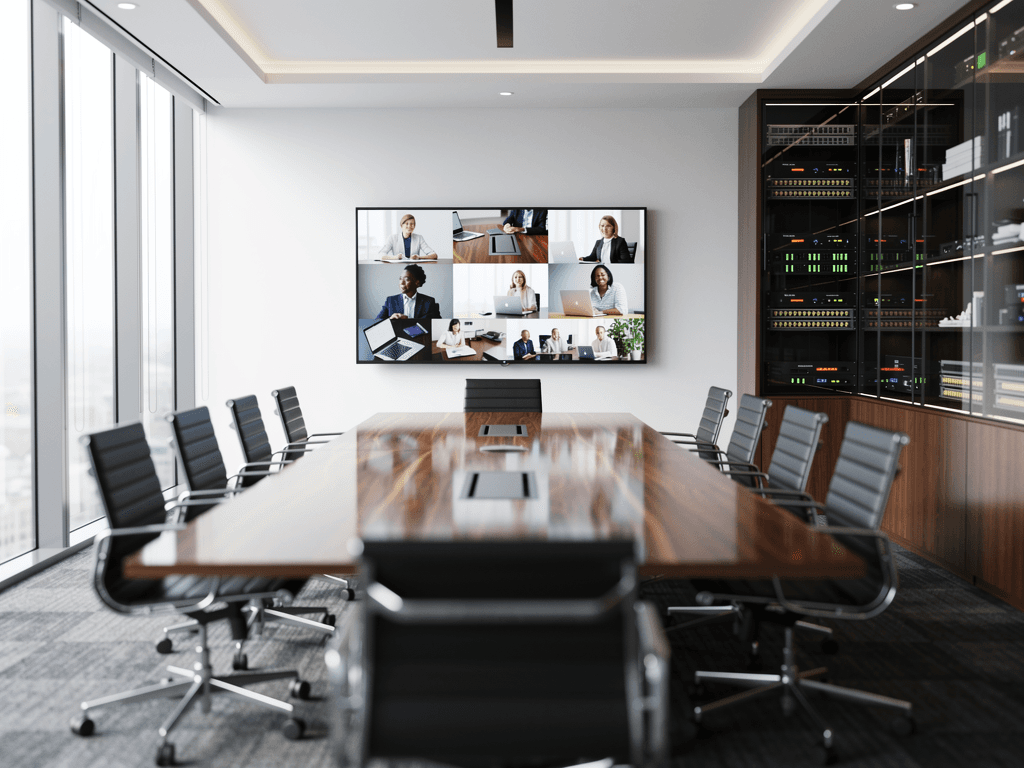
The Complete Guide to AVoIP Encoder Selection for Corporate Boardrooms
Corporate boardrooms have evolved dramatically over the past decade, transforming from simple meeting spaces into sophisticated communication hubs that demand seamless video distribution, crystal-clear audio, and reliable connectivity. At the heart of this transformation lies AV over IP technology, with encoders serving as the critical first link in the signal chain. Selecting the right encoder for your boardroom application requires careful consideration of resolution requirements, latency tolerances, network infrastructure, and scalability needs.
This comprehensive guide walks you through every aspect of encoder selection, from understanding the fundamental technology to evaluating specific features that matter most in executive meeting environments. Whether you are upgrading an existing system or designing a new installation from scratch, the insights provided here will help you make informed decisions that deliver lasting value.
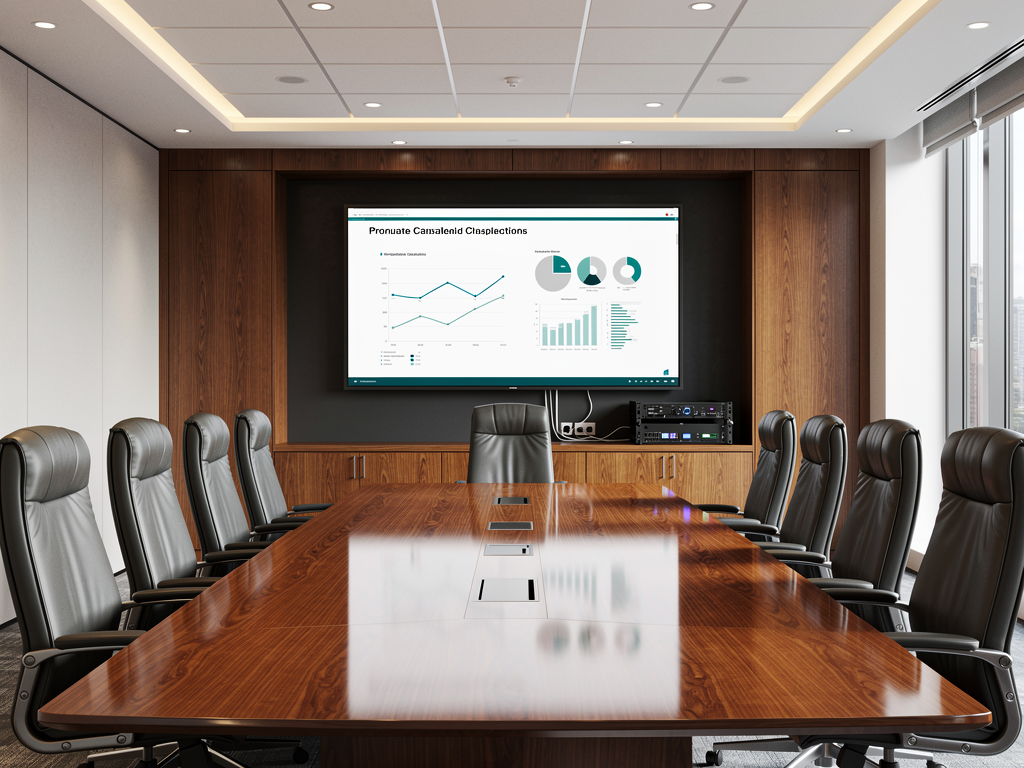
Understanding AVoIP Encoder Fundamentals for Meeting Spaces
An AVoIP encoder converts traditional video and audio signals into IP packets that can travel across standard network infrastructure. In corporate boardrooms, encoders typically receive signals from presentation laptops, document cameras, video conferencing codecs, and digital signage sources. The encoder compresses these signals using various codecs and protocols, then transmits them to decoders positioned at display endpoints throughout the room or across multiple connected spaces.
The choice of compression technology significantly impacts both visual quality and system latency. JPEG2000 encoders deliver visually lossless compression with frame-by-frame processing, making them ideal for environments where image fidelity is paramount. Alternatively, H.264 and H.265 encoders offer excellent compression efficiency, reducing bandwidth requirements while maintaining acceptable quality for most corporate applications. Newer protocols like NDI and Dante AV provide additional flexibility, particularly when integrating with broadcast-style workflows or professional audio systems.
Latency represents another critical consideration for boardroom applications. Executive presentations demand near-instantaneous response when switching sources or advancing slides. Encoders designed for professional AV applications typically achieve latencies between 1 and 100 milliseconds, depending on the compression method employed. Understanding your specific latency requirements helps narrow the field of suitable encoder options considerably.
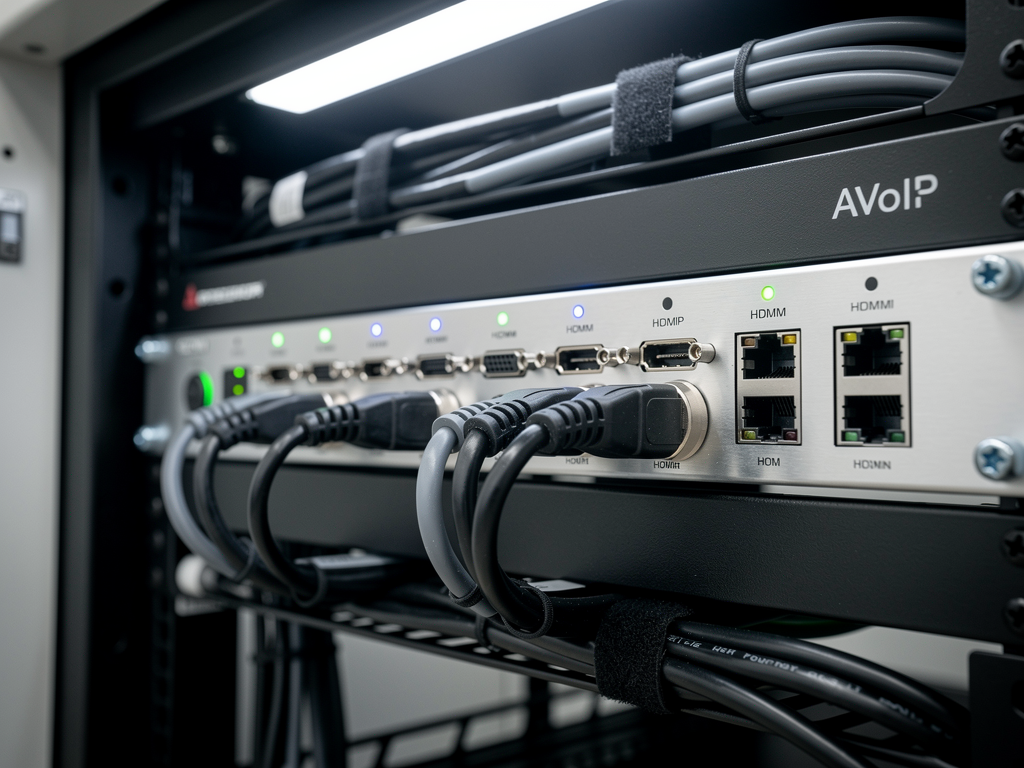
Resolution and Format Support Requirements
Modern boardrooms increasingly demand 4K resolution support as display technology becomes more affordable and content sources improve. When evaluating encoders, verify support for 4K at 60 frames per second with 4:4:4 color sampling, which preserves text clarity and fine detail essential for spreadsheet presentations and technical documents. Many budget encoders compromise on color subsampling or frame rates, resulting in noticeable artifacts during fast-moving content or reduced text legibility.
HDR (High Dynamic Range) support has emerged as another important consideration, particularly for organizations that present video content or conduct creative reviews in their boardrooms. Encoders supporting HDR10 or HLG pass through the extended color and brightness information that makes HDR content visually compelling. Without proper HDR support, content appears washed out or incorrectly mapped to standard dynamic range.
Input flexibility matters equally in boardroom environments where multiple source types connect to the system. Look for encoders offering both HDMI and DisplayPort inputs to accommodate various laptop configurations. Some premium encoders from manufacturers like TiGHT AV and BZBGEAR include USB-C inputs with DisplayPort Alt Mode, simplifying connections for modern laptops while providing power delivery to connected devices.
Audio embedding and de-embedding capabilities round out the format support discussion. Corporate presentations often combine HDMI video with separate audio from wireless microphone systems or teleconferencing equipment. Encoders with analog audio inputs and embedding functionality eliminate the need for external audio processing equipment, simplifying system design and reducing potential failure points.

Network Infrastructure Considerations and Bandwidth Planning
Successful AVoIP deployment depends heavily on proper network infrastructure design. Encoders transmit substantial data volumes, particularly when handling uncompressed or lightly compressed 4K video. A single 4K60 4:4:4 uncompressed video stream requires approximately 12 Gbps of bandwidth, though compression typically reduces this to between 100 Mbps and 1 Gbps depending on the codec and quality settings employed.
Network switch selection directly impacts encoder performance. Managed switches with IGMP snooping support efficiently handle multicast traffic, preventing video streams from flooding ports where they are not needed. Layer 3 switches become necessary when routing AVoIP traffic across VLANs or between buildings. Manufacturers like Visionary AV provide detailed network configuration guides that specify switch requirements and recommended settings for their encoder products.
Quality of Service (QoS) configuration ensures video traffic receives priority treatment during periods of network congestion. Configure DSCP markings on encoder traffic and corresponding QoS policies on network switches to guarantee consistent performance. Most professional encoders allow DSCP value configuration through their management interfaces, enabling integration with existing network QoS frameworks.
Bandwidth aggregation through link aggregation groups (LAGs) provides additional headroom for demanding installations. Some encoders support dual network interfaces that can be bonded for increased throughput or configured for redundancy. This capability proves particularly valuable in mission-critical boardroom applications where presentation failures carry significant business consequences.

Control Integration and Management Capabilities
Boardroom encoders must integrate seamlessly with control systems from manufacturers like Crestron, Extron, AMX, and Q-SYS. Evaluate encoder control options including RS-232 serial connections, TCP/IP command interfaces, and native driver availability for your chosen control platform. Encoders from Netvio and Craltech provide comprehensive API documentation and pre-built control modules that accelerate programming and reduce integration complexity.
Web-based management interfaces simplify initial configuration and ongoing maintenance. Look for encoders offering intuitive browser-based setup with clear organization of settings and real-time status monitoring. The ability to save and restore configuration profiles streamlines deployment across multiple identical boardrooms and simplifies replacement procedures when hardware failures occur.
Centralized management platforms become essential as encoder quantities increase. Many manufacturers offer controller software that discovers encoders on the network, provides unified configuration interfaces, and enables firmware updates across entire fleets simultaneously. ADTECHNO and similar professional manufacturers include these management tools at no additional cost, recognizing their importance for enterprise deployments.
EDID management represents a frequently overlooked but critically important encoder capability. Proper EDID handling ensures connected sources output appropriate resolutions and refresh rates. Advanced encoders allow custom EDID programming, enabling standardized output configurations regardless of the displays connected downstream. This capability prevents the frustrating resolution negotiation issues that plague simpler systems.
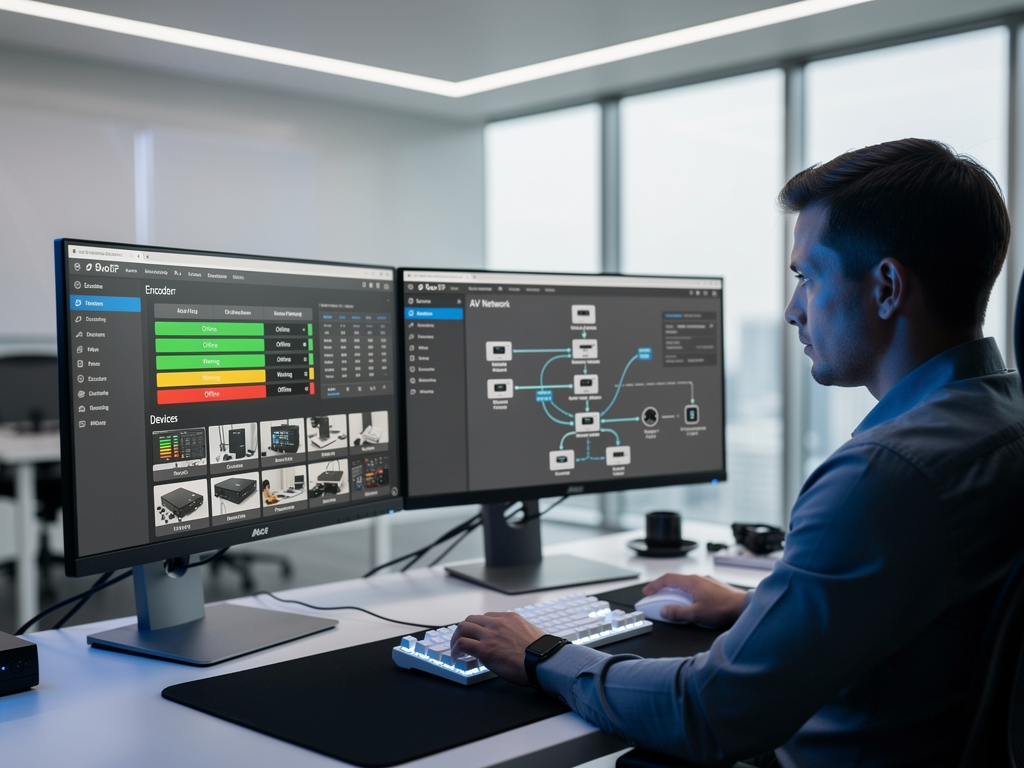
Comparing Popular Encoder Protocols and Standards
The AVoIP market offers numerous competing protocols, each with distinct advantages for specific applications. SDVoE (Software Defined Video over Ethernet) delivers zero-latency, uncompressed video distribution over 10 Gigabit Ethernet infrastructure. This protocol excels in applications demanding pixel-perfect reproduction and instantaneous switching, though it requires more substantial network investment than compressed alternatives.
NDI (Network Device Interface) has gained tremendous popularity for its flexibility and ease of deployment on standard Gigabit networks. NDI encoders work seamlessly with software-based production tools and support discovery protocols that simplify source selection. For boardrooms that occasionally serve as streaming studios or webcast origins, NDI encoders provide valuable versatility.
Dante AV combines the proven reliability of Dante audio networking with video capabilities, creating unified AV distribution systems. Organizations already invested in Dante audio infrastructure find natural synergies with Dante AV encoders. Products from manufacturers listed in the AVoIP Solutions Directory include multiple Dante AV options suitable for boardroom applications.
Proprietary protocols from established manufacturers continue serving the market effectively. These solutions often provide tighter integration between encoders, decoders, and control systems within a single ecosystem. While interoperability with other manufacturers may be limited, the simplified support relationship and guaranteed compatibility appeal to many corporate IT departments.
Budgeting and Total Cost of Ownership Analysis
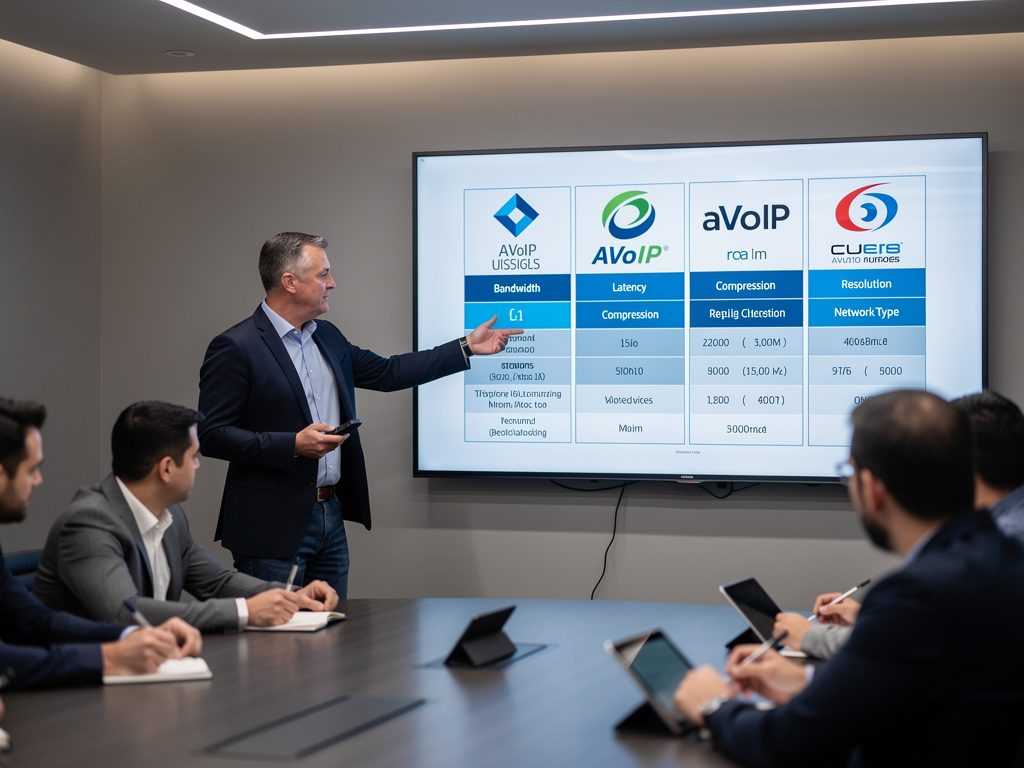
Encoder pricing spans a wide range, from entry-level units under $500 to premium models exceeding $3,000. Initial hardware cost represents only one component of total ownership expense. Consider installation labor, network infrastructure upgrades, control system integration, and ongoing maintenance when developing project budgets.
Entry-level encoders suit basic applications where 1080p resolution suffices and latency requirements remain relaxed. These units typically lack advanced features like USB-C connectivity, comprehensive control interfaces, or robust management capabilities. For executive boardrooms where reliability and performance matter, investing in mid-range or premium encoders proves worthwhile.
Mid-range encoders from manufacturers like BZBGEAR and Visionary AV deliver excellent value, combining 4K support, low latency, and comprehensive feature sets at reasonable price points. These products target the sweet spot where professional performance meets budget consciousness, making them popular choices for corporate installations.
Premium encoders justify their higher costs through exceptional build quality, extended warranty coverage, and advanced capabilities like 8K support or specialized compression options. Organizations with mission-critical boardroom requirements or demanding technical specifications find value in these top-tier products despite their premium pricing.

Installation Best Practices and Common Pitfalls
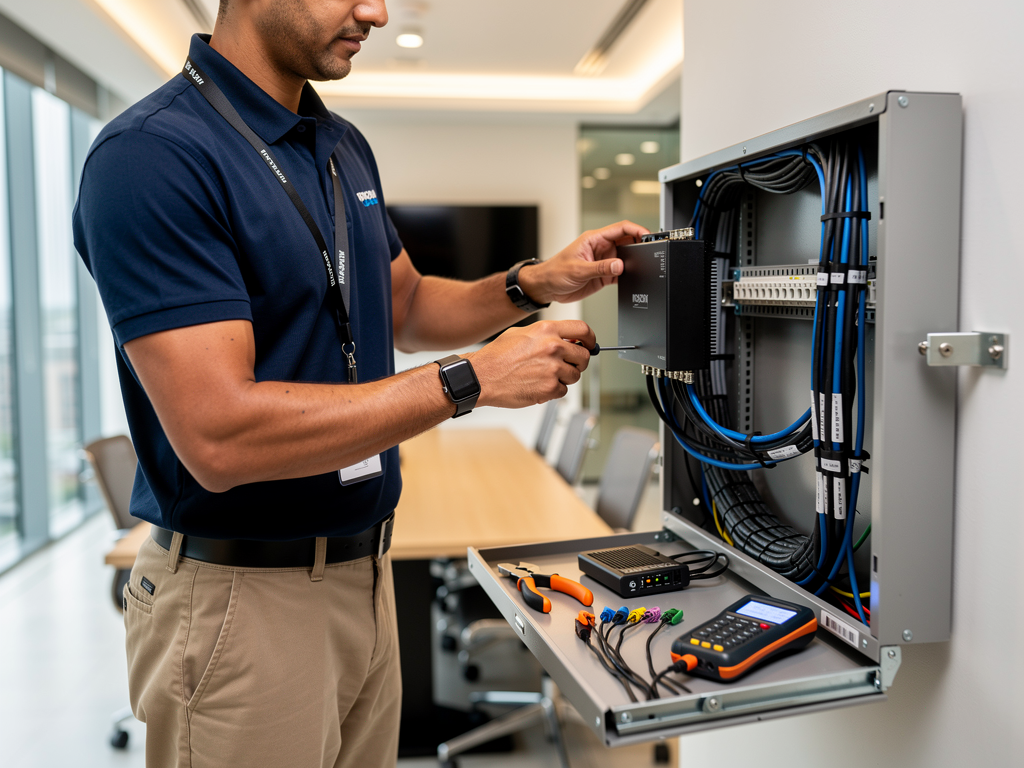
Proper encoder installation begins with thermal management considerations. Encoders generate heat during operation, and inadequate ventilation leads to performance degradation or premature failure. Allow sufficient clearance around encoders for airflow, and consider active cooling in enclosed rack spaces. Many professional encoders include temperature monitoring that triggers alerts when thermal thresholds approach concerning levels.
Cable quality significantly impacts encoder performance, particularly for HDMI connections. Use certified Premium High Speed HDMI cables for 4K60 sources, and keep cable runs within specification limits. For longer distances, active optical HDMI cables or HDBaseT extenders feeding the encoder provide reliable signal delivery without the artifacts that plague passive copper cables at extended lengths.
Network configuration errors cause the majority of AVoIP deployment problems. Verify VLAN assignments, confirm IGMP snooping activation, and test multicast routing before connecting encoders. Document all network settings thoroughly, creating reference materials that accelerate troubleshooting when issues arise. Engaging network administrators early in the project timeline prevents last-minute surprises during commissioning.
Firmware updates deserve attention both during initial deployment and throughout the system lifecycle. Manufacturers regularly release updates that improve performance, add features, and address security vulnerabilities. Establish a firmware management schedule that balances stability with access to improvements, and always test updates in non-critical environments before deploying to production boardrooms.
Future-Proofing Your Encoder Investment
Technology evolution continues accelerating, making future-proofing considerations increasingly important for encoder selection. Look for encoders with firmware-upgradeable architectures that can adapt to emerging standards and requirements. Hardware-based encoders with FPGA or ASIC processing often receive feature updates that extend their useful lifespan well beyond initial deployment.
Support for emerging video standards like HDMI 2.1 and DisplayPort 2.0 provides headroom for future source devices. While current boardroom applications may not require 8K resolution or 120Hz refresh rates, encoders supporting these specifications accommodate future upgrades without wholesale system replacement. The incremental cost for enhanced specifications often proves modest compared to future replacement expenses.
Interoperability with open standards reduces vendor lock-in risks and preserves flexibility for future expansion. Encoders supporting multiple protocols or offering protocol conversion capabilities provide insurance against market shifts. The comprehensive product listings available through specialized directories help identify encoders with broad compatibility profiles.

Making Your Final Selection Decision
Synthesizing the considerations discussed throughout this guide leads to informed encoder selection decisions. Begin by documenting your specific requirements across resolution, latency, connectivity, and control integration categories. Weight these requirements according to their importance for your particular boardroom application, recognizing that different organizations prioritize different capabilities.
Request demonstrations or evaluation units from shortlisted manufacturers whenever possible. Real-world testing reveals performance characteristics and usability factors that specifications alone cannot convey. Pay particular attention to switching speed, image quality during motion, and management interface responsiveness during evaluations.
Consult with experienced integrators who have deployed various encoder products across multiple projects. Their practical insights complement manufacturer specifications and help identify potential compatibility issues before they impact your installation. Building relationships with knowledgeable integration partners provides ongoing value throughout system lifecycle.
Finally, consider the manufacturer relationship beyond the initial purchase. Evaluate technical support responsiveness, warranty terms, and the manufacturer's track record for product longevity. Encoders from established manufacturers with strong reputations for customer support deliver peace of mind that justifies modest price premiums over lesser-known alternatives.

Selecting the right AVoIP encoder for corporate boardrooms requires balancing technical requirements against budget constraints while maintaining focus on user experience and long-term value. The guidance provided throughout this article equips you with the knowledge needed to evaluate options confidently and make decisions that serve your organization well for years to come. As boardroom technology continues evolving, the foundational understanding developed here will help you navigate future upgrades and expansions with equal confidence.
Comments(0)