Building Resilient AVoIP Systems for Mission-Critical Environments
Discover essential strategies and technologies for designing highly resilient AVoIP systems in mission-critical settings like emergency operations centers, broadcast facilities, and healthcare institutions. Learn about network architecture, hardware selection, and monitoring for continuous operation.
AVoIP AV Directory
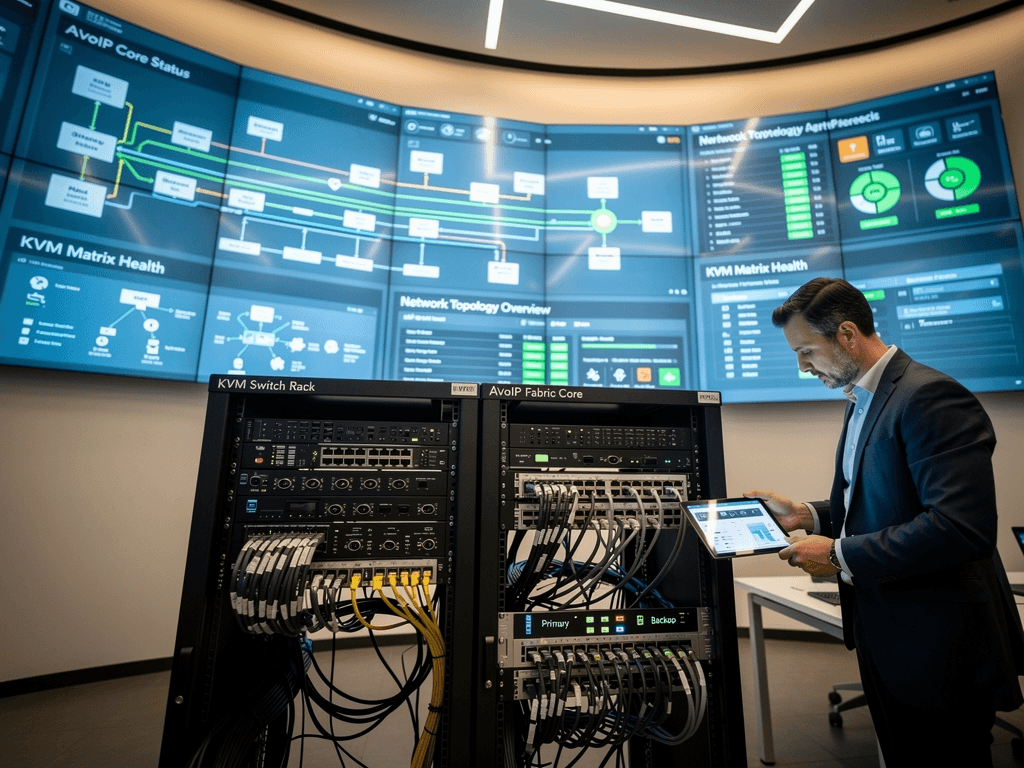
How to Build a Resilient AVoIP System for Mission-Critical Environments
When the stakes are high and downtime is simply not an option, your audio-visual infrastructure must perform flawlessly under pressure. Mission-critical environments such as emergency operations centers, broadcast facilities, healthcare institutions, and financial trading floors demand AVoIP systems that can withstand failures, adapt to changing conditions, and maintain continuous operation. Building resilience into these systems requires careful planning, strategic component selection, and a deep understanding of network architecture principles that go far beyond standard commercial installations.
The transition from traditional matrix switching to AV over IP has opened tremendous possibilities for scalability and flexibility. However, it has also introduced new considerations around network redundancy, failover mechanisms, and system monitoring that integrators must address proactively. This comprehensive guide explores the essential strategies, technologies, and best practices for designing AVoIP systems that meet the demanding requirements of mission-critical applications.
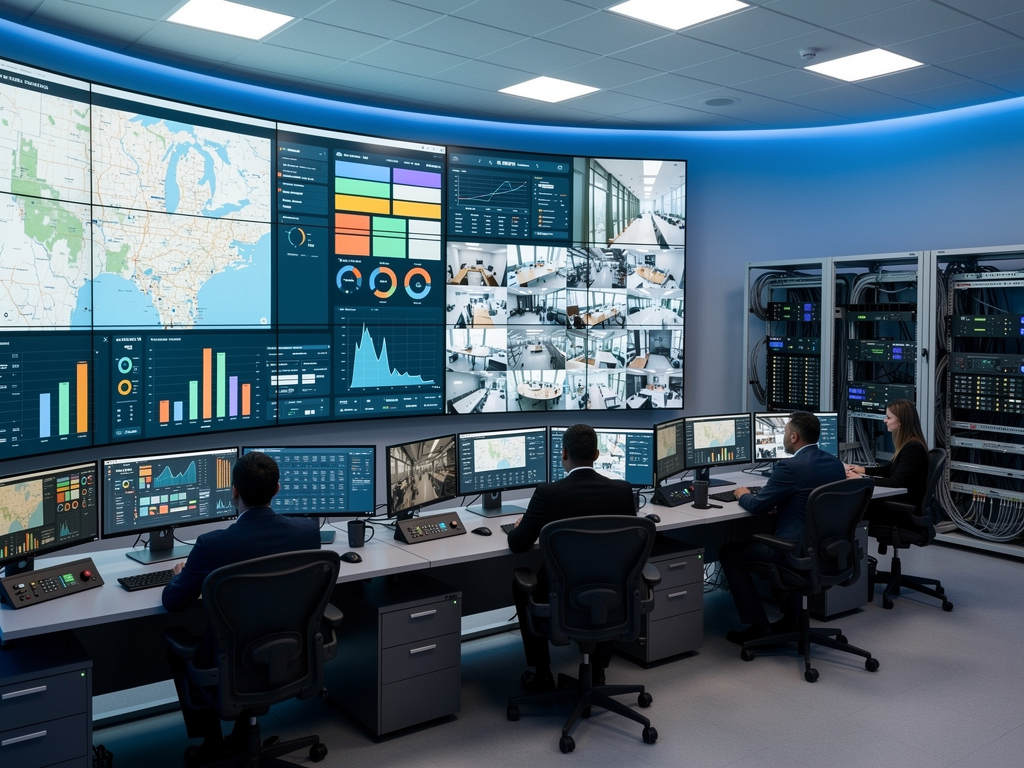
Emergency operations centers require AVoIP systems with zero tolerance for downtime
Understanding Mission-Critical Requirements and Risk Assessment
Before selecting hardware or designing network topology, you must thoroughly understand what "mission-critical" means for your specific application. A hospital surgical suite has different requirements than a military command center, even though both demand exceptional reliability. Start by conducting a comprehensive risk assessment that identifies potential failure points, quantifies the cost of downtime, and establishes acceptable recovery time objectives.
The first step involves categorizing your video and audio streams by criticality. Primary feeds that directly impact operations or safety require the highest level of protection, while secondary displays showing ambient content might tolerate brief interruptions. This tiered approach allows you to allocate resources efficiently without over-engineering every aspect of the system.
Consider the environmental factors that could affect your installation. Temperature fluctuations, power quality issues, electromagnetic interference, and physical security all play roles in system reliability. Products designed with industrial-grade components that withstand harsh conditions are excellent choices for demanding environments where consumer-grade equipment would fail prematurely.
Documentation becomes crucial in mission-critical contexts. Every network path, every failover scenario, and every recovery procedure must be clearly documented and regularly tested. Your operations team should be able to restore service following established protocols without requiring specialized technical knowledge during emergencies.

Comprehensive documentation ensures rapid response during system events
Network Architecture for Maximum Redundancy
The foundation of any resilient AVoIP system lies in its network architecture. Unlike traditional AV systems where signal paths are physically dedicated, IP-based systems share infrastructure with other network traffic, creating both opportunities and challenges for redundancy planning. A properly designed network can route around failures automatically, but poor design can create single points of failure that undermine the entire installation.
Implement a spine-and-leaf topology for larger deployments, as this architecture provides multiple paths between any two endpoints. Each leaf switch connects to every spine switch, ensuring that the failure of any single switch does not isolate any portion of the network. This approach also distributes bandwidth more evenly than traditional three-tier architectures, reducing congestion during peak usage periods.
Network switch selection deserves careful attention in mission-critical applications. Choose managed switches that support protocols like Spanning Tree Protocol (STP) or its faster variants such as Rapid Spanning Tree Protocol (RSTP) and Multiple Spanning Tree Protocol (MSTP). These protocols automatically detect and disable redundant paths during normal operation while activating them instantly when primary paths fail. For the most demanding applications, consider switches that support sub-50-millisecond failover times.
Virtual Local Area Networks (VLANs) should isolate AV traffic from general network traffic, preventing congestion or security issues in one domain from affecting the other. Quality of Service (QoS) policies must prioritize video and audio packets to ensure consistent delivery even during periods of network stress. Products compatible with standards like NDI, SDVoE, and Dante AV benefit from well-configured QoS because these protocols have specific latency and jitter requirements that must be maintained.
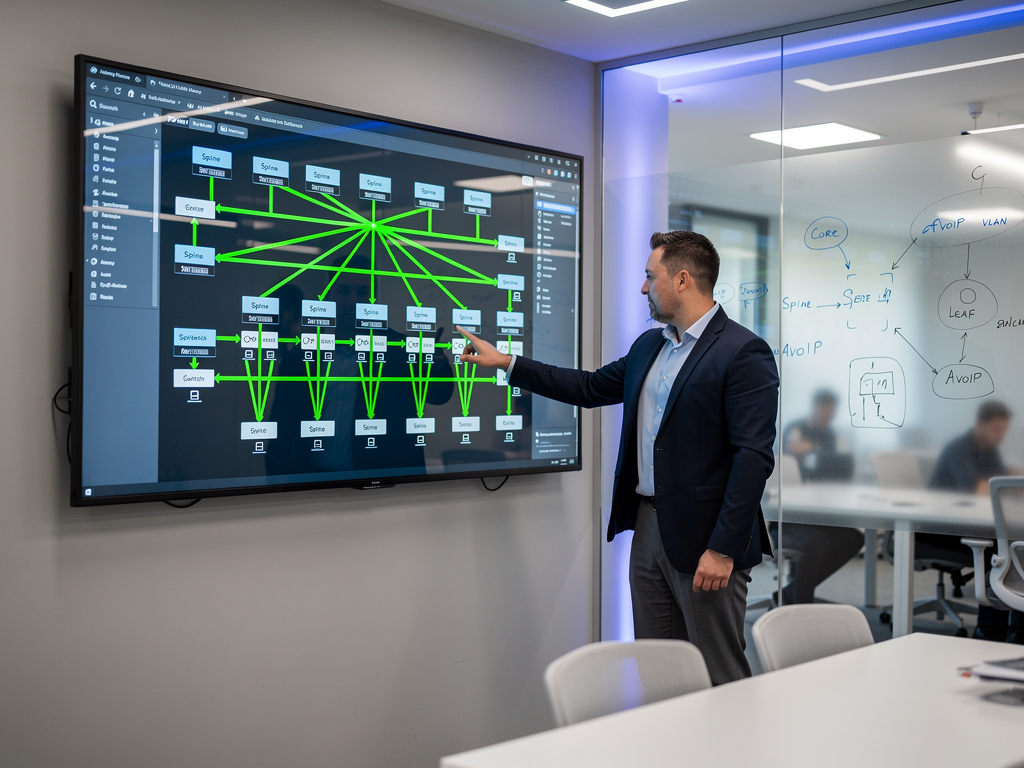
Spine-and-leaf topology provides multiple redundant paths for AVoIP traffic
Hardware Selection and Redundant Component Strategies
Selecting the right encoders, decoders, and controllers forms the next critical layer of resilience. Look for products that offer dual power supply options, redundant network ports, and hot-swappable components. Professional-grade equipment designed specifically for applications where reliability is paramount is widely available.
Consider deploying backup encoders for your most critical sources. These secondary units can remain in standby mode, continuously monitoring the primary encoder's health and taking over instantly if problems are detected. Some advanced systems can even synchronize their output so seamlessly that viewers never notice the transition.
Decoder redundancy follows similar principles. For critical displays, install primary and backup decoders with automatic failover capabilities. The backup decoder can either mirror the primary unit's configuration or be programmed to display alternative content during failures, ensuring that screens never go dark unexpectedly.
Controllers and management systems require special attention because they often represent single points of failure in AVoIP deployments. Implement controller redundancy using active-passive or active-active configurations depending on your requirements and budget. Control solutions that support clustering and failover allow mission-critical facilities to maintain management capabilities even during equipment failures.
Power redundancy extends beyond the AV equipment itself. Uninterruptible Power Supplies (UPS) should protect all critical components, with runtime sufficient to either ride through brief outages or allow graceful shutdown during extended events. For the highest reliability, connect redundant power supplies to separate UPS units fed from different electrical circuits.
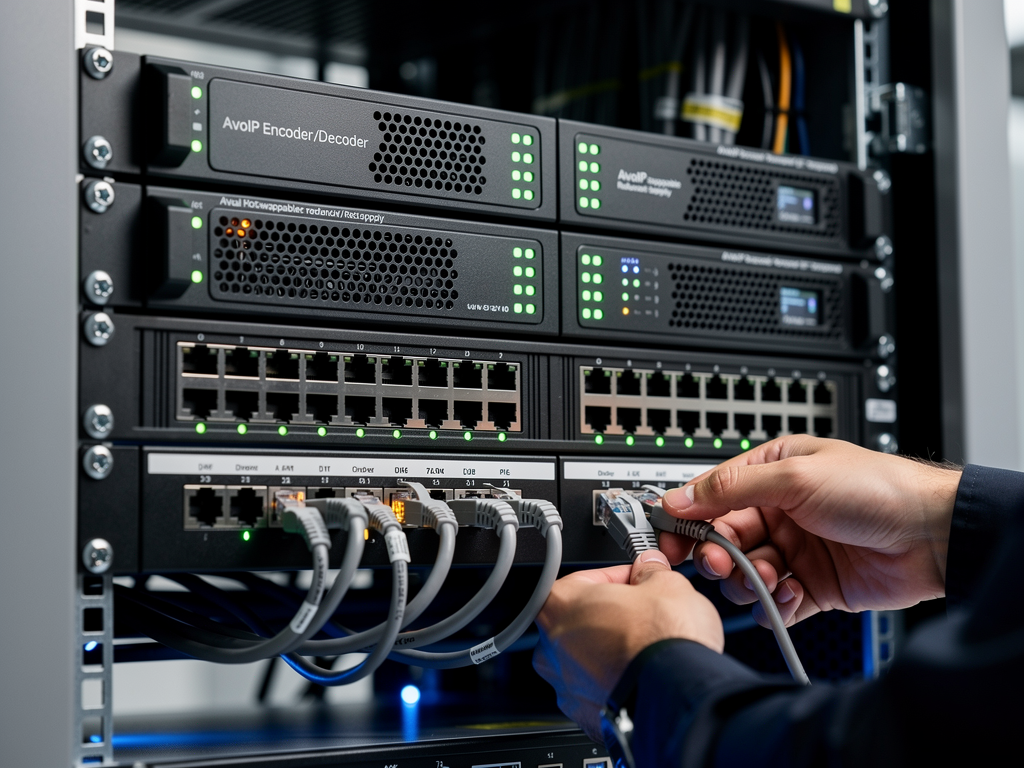
Redundant power and network connections eliminate common single points of failure
Implementing Effective Monitoring and Alerting Systems
Even the most resilient system can fail if problems go undetected. Comprehensive monitoring provides visibility into every aspect of your AVoIP infrastructure, enabling proactive maintenance and rapid response when issues arise. Modern monitoring platforms can track network health, device status, video quality metrics, and environmental conditions from a single dashboard.
Implement Simple Network Management Protocol (SNMP) monitoring across all network devices and AVoIP equipment. SNMP traps provide immediate notification when devices experience problems, allowing your team to respond before users notice any degradation. Many professional encoders and decoders support SNMP, making integration with existing network management systems straightforward.
Video quality monitoring adds another layer of visibility by analyzing the actual content being delivered. These systems can detect issues like frozen frames, black screens, audio dropouts, and synchronization problems that might not trigger traditional network alerts. For broadcast and presentation applications, this capability proves invaluable for maintaining professional standards.
Establish clear escalation procedures that define who gets notified, when, and through what channels. Critical alerts might trigger immediate phone calls or text messages, while lower-priority notifications could be batched into daily reports. Test your alerting system regularly to ensure messages reach the right people and that contact information remains current.
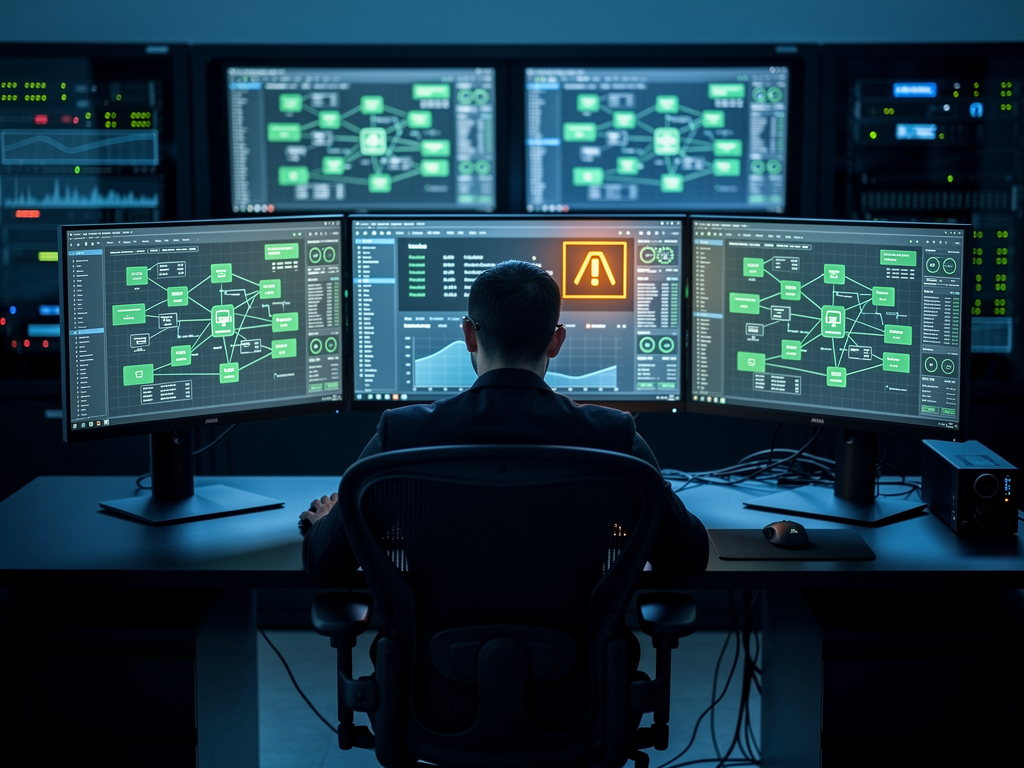
Real-time monitoring dashboards enable proactive system management
Testing, Validation, and Ongoing Maintenance Protocols
Resilience exists only when tested. Theoretical redundancy that has never been validated under realistic conditions provides false confidence that could prove catastrophic during actual emergencies. Develop a comprehensive testing program that exercises every failover mechanism on a regular schedule.
Conduct planned failover tests during maintenance windows, deliberately disabling primary components to verify that backup systems activate correctly. Document the results of each test, including failover times, any unexpected behaviors, and lessons learned. These records become invaluable for continuous improvement and for demonstrating compliance with organizational or regulatory requirements.
Firmware and software updates require careful management in mission-critical environments. While updates often include important security patches and bug fixes, they can also introduce new problems. Establish a testing environment where updates can be validated before deployment to production systems. Maintain the ability to roll back to previous versions if issues are discovered after deployment.
Preventive maintenance should include regular inspection of physical connections, cleaning of equipment ventilation, verification of backup power systems, and review of monitoring thresholds. Schedule these activities during planned maintenance windows and document all work performed. Many organizations find that quarterly comprehensive reviews, supplemented by monthly spot checks, provide an appropriate balance between thoroughness and operational impact.

Regular preventive maintenance validates system resilience and identifies potential issues
Real-World Success Stories and Implementation Examples
Understanding how other organizations have successfully implemented resilient AVoIP systems provides valuable insights for your own projects. A regional hospital network recently deployed a fully redundant AVoIP infrastructure connecting surgical suites, diagnostic imaging centers, and administrative offices across multiple campuses. By selecting encoders and decoders with dual network interfaces and implementing automatic failover at both the device and network levels, they achieved high availability over their first year of operation.
A financial trading floor installation demonstrates another approach to resilience. The integrators deployed primary and backup encoders for every critical market data feed, with the backup units continuously monitoring primary health and ready to assume operation within milliseconds. Decoders at each trading station support seamless source switching, allowing traders to access backup feeds instantly if primary sources experience problems.
Emergency operations centers present unique challenges because they must function precisely when external conditions are most chaotic. One county emergency management agency built their AVoIP system using geographically distributed components, with encoding and decoding equipment split between their primary facility and a backup location. This approach ensures that even a catastrophic event affecting one site does not eliminate their ability to coordinate emergency response.

Financial trading floors demand AVoIP systems with millisecond-level failover capabilities
Cost Considerations and Return on Investment Analysis
Building resilience requires investment, and stakeholders naturally want to understand the return on that investment. The key is quantifying the cost of downtime for your specific application. A broadcast facility losing air time during a major event faces immediate revenue loss and long-term reputation damage. A hospital experiencing video system failures during surgery could face life-threatening consequences and significant liability exposure.
Compare the cost of redundant components against the potential losses from system failures. In many mission-critical applications, the additional investment in backup encoders, redundant network paths, and comprehensive monitoring represents a small fraction of potential downtime costs. Professional-grade reliability at various price points makes redundancy financially practical for many organizations.
Consider the total cost of ownership rather than just initial purchase price. Equipment with higher upfront costs but better reliability, longer warranties, and superior support often proves more economical over a five to seven year deployment lifecycle. Factor in the cost of maintenance, the availability of spare parts, and the manufacturer's track record for supporting products throughout their expected lifespan.

ROI analysis helps stakeholders understand the value of resilient system design
Future-Proofing Your Mission-Critical AVoIP Investment
Technology evolves rapidly, and systems designed today must accommodate tomorrow's requirements. Select products and architectures that support emerging standards and provide upgrade paths without requiring complete replacement. Standards like IPMX and JPEG2000 continue maturing, offering improved interoperability and performance that mission-critical facilities will want to leverage.
Design your network infrastructure with headroom for growth. Bandwidth requirements increase as resolutions advance from 4K to 8K and beyond. Latency requirements tighten as applications demand more real-time responsiveness. Building capacity into your initial design costs less than retrofitting later.
Maintain relationships with manufacturers and integrators who understand mission-critical requirements. The AVoIP Solutions Directory provides an excellent resource for identifying products and vendors with the capabilities your applications demand. Regular engagement with industry developments ensures your systems remain current and your team stays informed about emerging best practices.
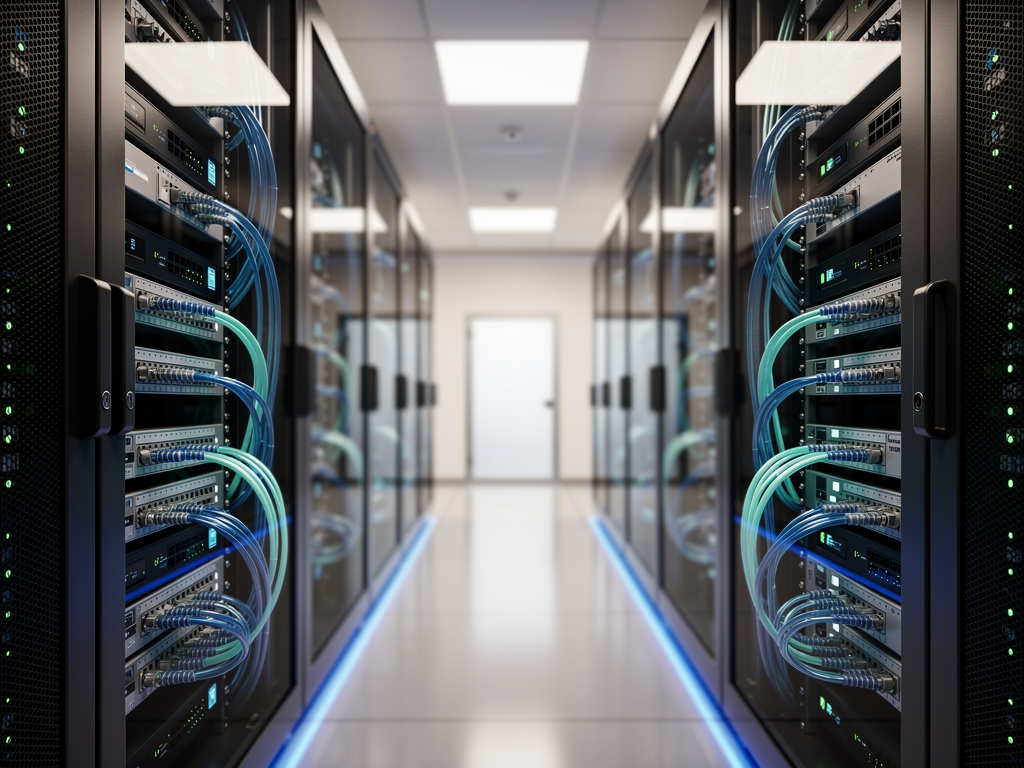
Future-proof infrastructure accommodates evolving technology requirements
Conclusion: Building Confidence Through Comprehensive Resilience
Mission-critical AVoIP systems demand a holistic approach to resilience that addresses network architecture, hardware redundancy, monitoring capabilities, and ongoing maintenance. By carefully assessing requirements, selecting appropriate components from trusted manufacturers, and implementing comprehensive testing programs, you can build systems that perform reliably when they matter most.
The investment in resilience pays dividends through reduced downtime, lower stress during emergencies, and confidence that your systems will perform when called upon. Whether you are designing a new installation or upgrading an existing facility, the principles outlined in this guide provide a framework for achieving the reliability that mission-critical applications demand.
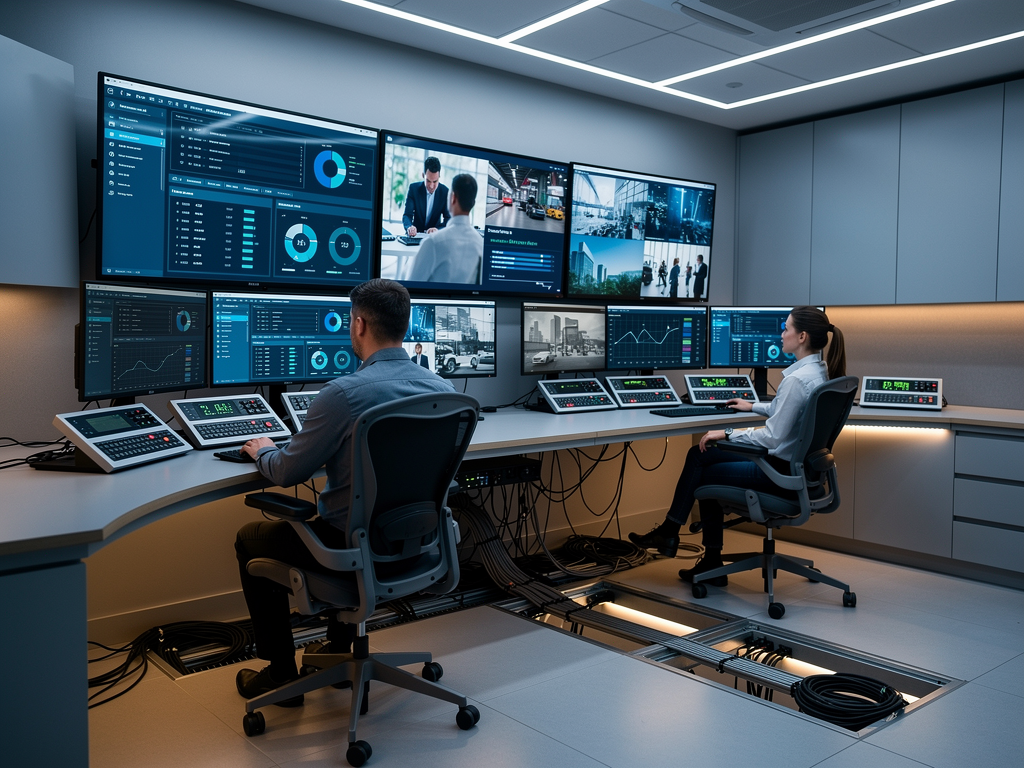
Properly designed AVoIP systems deliver the reliability mission-critical environments require
Comments(0)