AVoIP Transforms Sports Broadcasting: Architecture & Best Practices
Discover how Audio Video over IP (AVoIP) is revolutionizing sports broadcasting, replacing traditional SDI infrastructure with flexible, networked solutions. Learn about key protocols like NDI, SDVoE, and Dante AV, and explore best practices for successful implementation in modern sports venues.
AVoIP AV Directory
How AVoIP is Transforming Sports Broadcasting
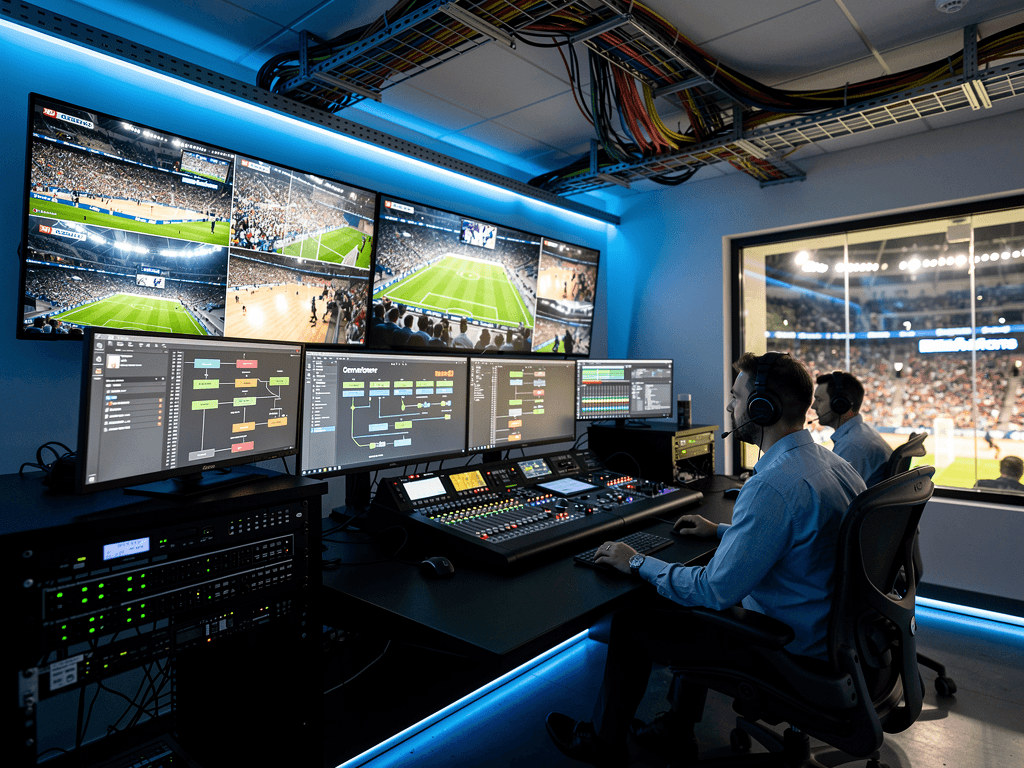
The world of sports broadcasting has undergone a remarkable transformation over the past decade. Where once massive production trucks filled with proprietary hardware dominated venue parking lots, today's broadcasts increasingly rely on sleek, networked infrastructure that delivers superior quality with unprecedented flexibility. Audio Video over Internet Protocol, commonly known as AVoIP, has emerged as the driving force behind this revolution, fundamentally changing how we capture, process, and deliver live sporting events to millions of viewers worldwide.
This shift represents more than just a technological upgrade. It signals a complete reimagining of what's possible in live sports production. From local high school football games to international championship events, AVoIP technology is democratizing professional-quality broadcasting while simultaneously pushing the boundaries of what premium productions can achieve.
Understanding the Traditional Broadcasting Challenge
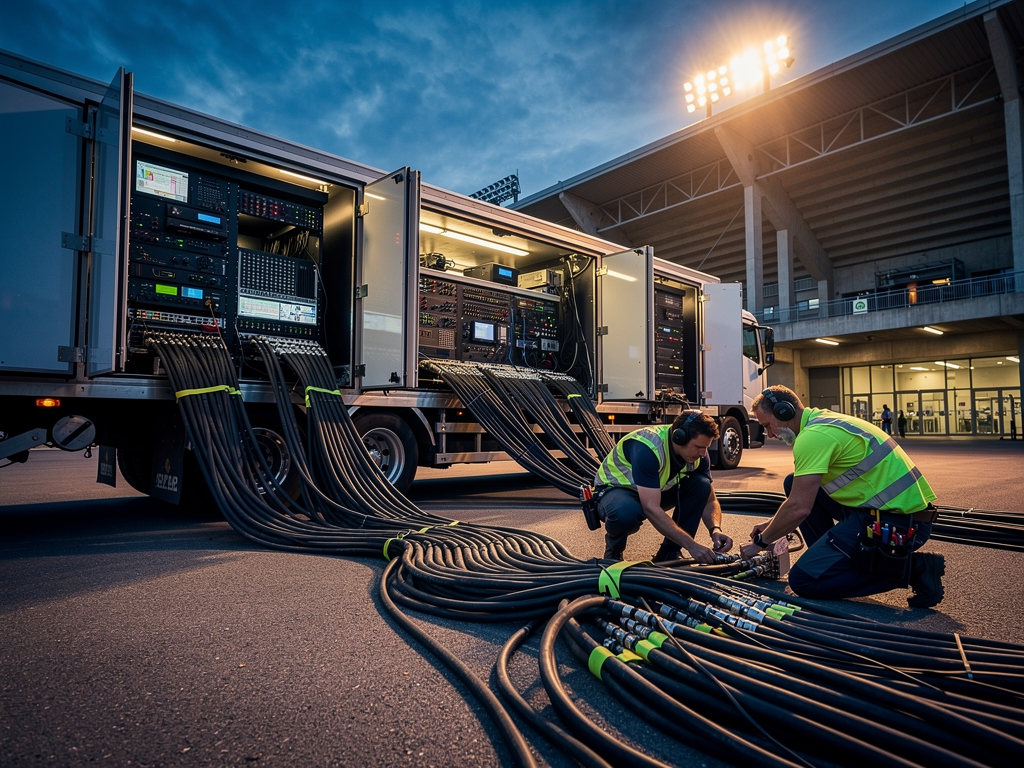
For decades, sports broadcasting relied heavily on SDI (Serial Digital Interface) infrastructure. This baseband technology required dedicated copper or fiber cables for every single video and audio signal. A typical multi-camera sports production might involve dozens of individual cable runs, each carrying a single signal from camera positions, replay systems, graphics generators, and audio sources back to a central production area.
The logistics alone were staggering. Production teams needed to arrive days before an event to install temporary cabling infrastructure. Equipment trucks housing millions of dollars worth of specialized hardware became essential components of any major broadcast. The physical limitations of cable lengths meant production areas had to be positioned within specific distances from camera positions, often compromising ideal placement.
Beyond logistics, the financial burden of traditional broadcasting created significant barriers to entry. Smaller venues, regional sports networks, and educational institutions simply couldn't justify the capital expenditure required for professional-quality production. This limitation meant countless sporting events went unbroadcast, or were captured with consumer-grade equipment that failed to do justice to the athletic performances being documented.
The AVoIP Revolution in Sports Venues
AVoIP technology has fundamentally altered this equation by leveraging standard network infrastructure to transport video, audio, and control signals. Instead of dedicated point-to-point cables, signals now travel as data packets across Ethernet networks. This seemingly simple change has cascading implications that touch every aspect of sports broadcasting.
Modern sports venues are increasingly being built or retrofitted with robust network infrastructure that serves multiple purposes. The same network backbone that handles point-of-sale systems, digital signage, and facility management can now carry broadcast-quality video signals. This convergence dramatically reduces installation costs while increasing flexibility.
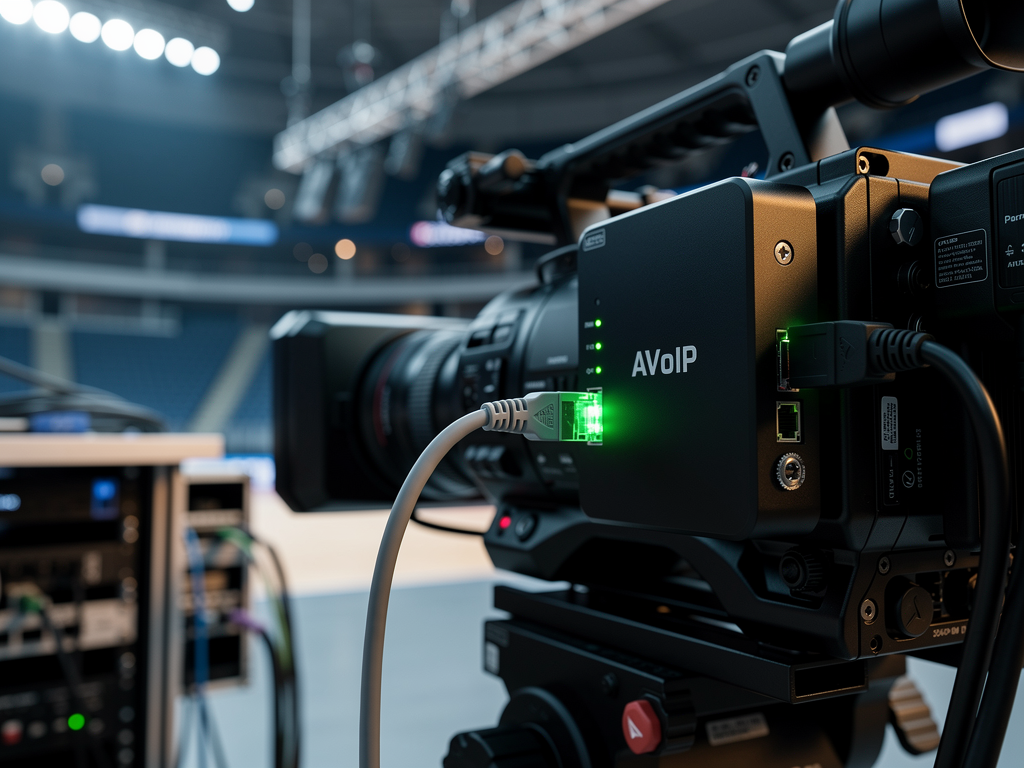
Manufacturers like TiGHT AV and BZBGEAR have developed encoder and decoder solutions specifically designed for the demanding requirements of live sports production. These devices convert camera signals to IP at the source, allowing them to travel across standard network switches to any destination on the network. A single camera position can now feed multiple production areas, replay systems, and archival storage simultaneously without additional cabling.
The scalability of AVoIP solutions means productions can easily expand or contract based on event requirements. A venue might use four cameras for a regular season game but scale to twelve cameras for playoff coverage, all using the same underlying infrastructure. This flexibility was simply impossible with traditional SDI systems, where each additional camera required dedicated cabling and routing capacity.
Protocol Standards Driving Industry Adoption
Several competing protocols have emerged to address the specific needs of professional video transport over IP networks. Understanding these standards helps explain why AVoIP has gained such rapid acceptance in sports broadcasting environments.
NDI (Network Device Interface) has become particularly popular for its ease of implementation and broad software support. Developed by NewTek, NDI allows video sources to be discovered and connected automatically across networks, dramatically simplifying production workflows. Many AVoIP manufacturers in the directory now offer NDI-compatible encoders and decoders that integrate seamlessly with software-based production systems.
For applications demanding the absolute lowest latency and highest quality, SDVoE (Software Defined Video over Ethernet) provides uncompressed video transport with sub-frame latency. This makes it ideal for applications where real-time monitoring and switching are critical. Sports replay systems, where operators must make split-second decisions, particularly benefit from SDVoE's performance characteristics.
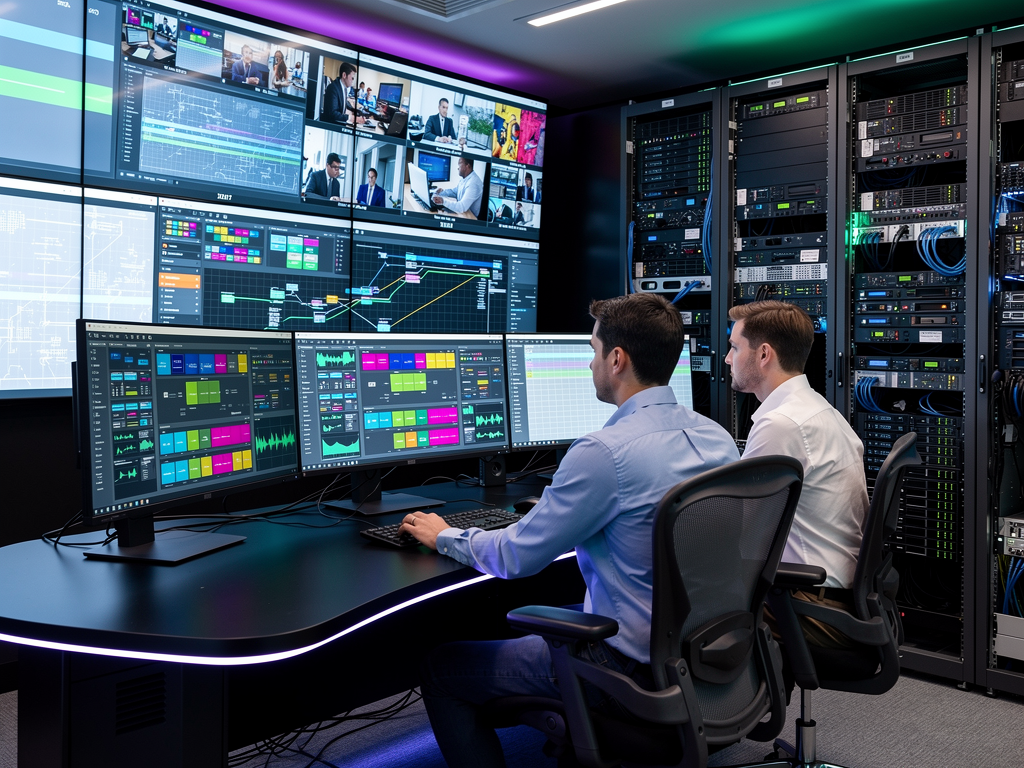
Dante AV, building on the widely adopted Dante audio networking protocol, has also gained significant traction. Its ability to synchronize audio and video across networks while maintaining broadcast-quality performance makes it attractive for venues that have already invested in Dante audio infrastructure. Products from manufacturers like Visionary AV and ADTECHNO support Dante AV, allowing seamless integration with existing audio networks.
Real-World Implementation Success Stories
The theoretical benefits of AVoIP become tangible when examining actual deployments. Major sports facilities worldwide have embraced this technology with impressive results.
Professional basketball arenas have implemented AVoIP systems that allow any camera feed to reach any production position instantly. This capability enables innovative coverage options, such as dedicated feeds for international broadcasts that can select different camera angles than the domestic production. The same infrastructure supports in-arena displays, luxury suite entertainment systems, and media distribution to press areas.
College athletic departments have found AVoIP particularly transformative. Institutions can now produce professional-quality broadcasts of multiple sports simultaneously using shared infrastructure. A university might broadcast a football game, volleyball match, and soccer game on the same Saturday afternoon, all using the same network backbone and production resources. Solutions from manufacturers like Craltech and Netvio have made this level of production accessible to educational institutions with limited budgets.
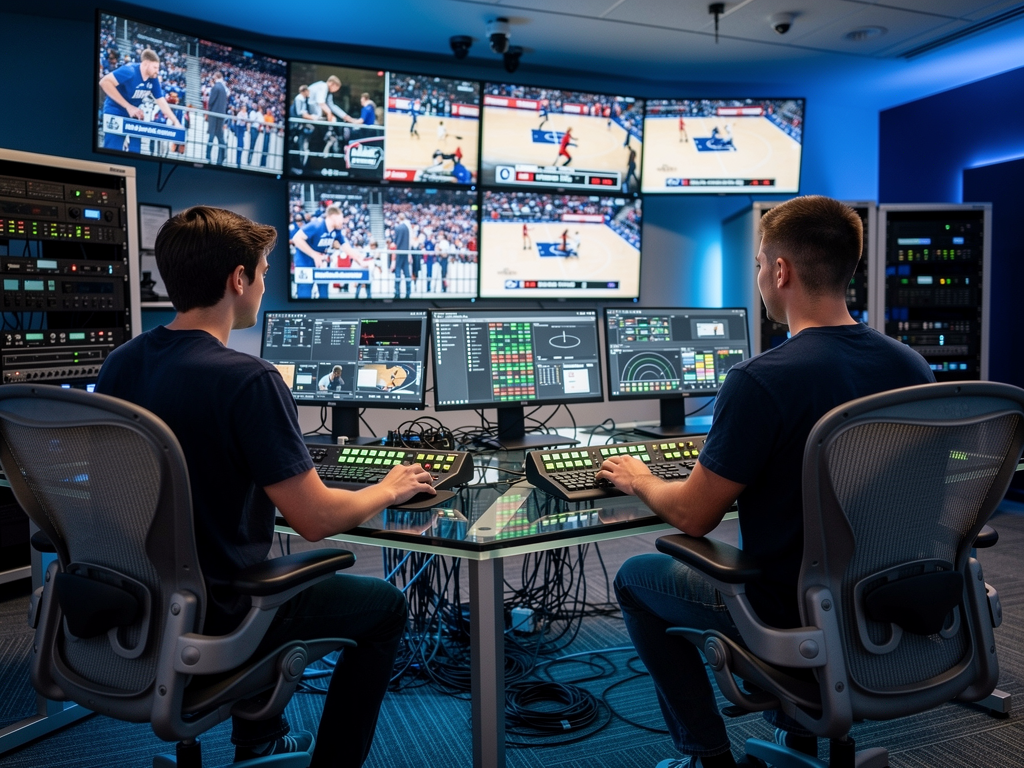
International sporting events have also embraced AVoIP for its ability to support remote production workflows. Camera signals captured at a venue can be transported via dedicated network connections to production facilities thousands of miles away. This approach reduces travel costs, minimizes the environmental impact of large production crews, and allows organizations to centralize their technical expertise.
Network Architecture Best Practices
Successful AVoIP deployment in sports broadcasting requires careful attention to network design. Unlike general-purpose IT networks, broadcast-quality video transport demands guaranteed bandwidth, minimal latency, and absolute reliability.
Network switches form the backbone of any AVoIP system. Managed switches with support for IGMP snooping, quality of service (QoS) prioritization, and jumbo frames are essential for handling the bandwidth demands of multiple simultaneous video streams. Many organizations implement dedicated VLANs for broadcast traffic, isolating it from general network activity to ensure consistent performance.
Redundancy becomes critical in live production environments where failure is not an option. Best practices include implementing redundant network paths, dual power supplies for critical equipment, and automatic failover mechanisms. Leading AVoIP equipment manufacturers design their products with these requirements in mind, offering features like dual network ports and seamless switchover capabilities.
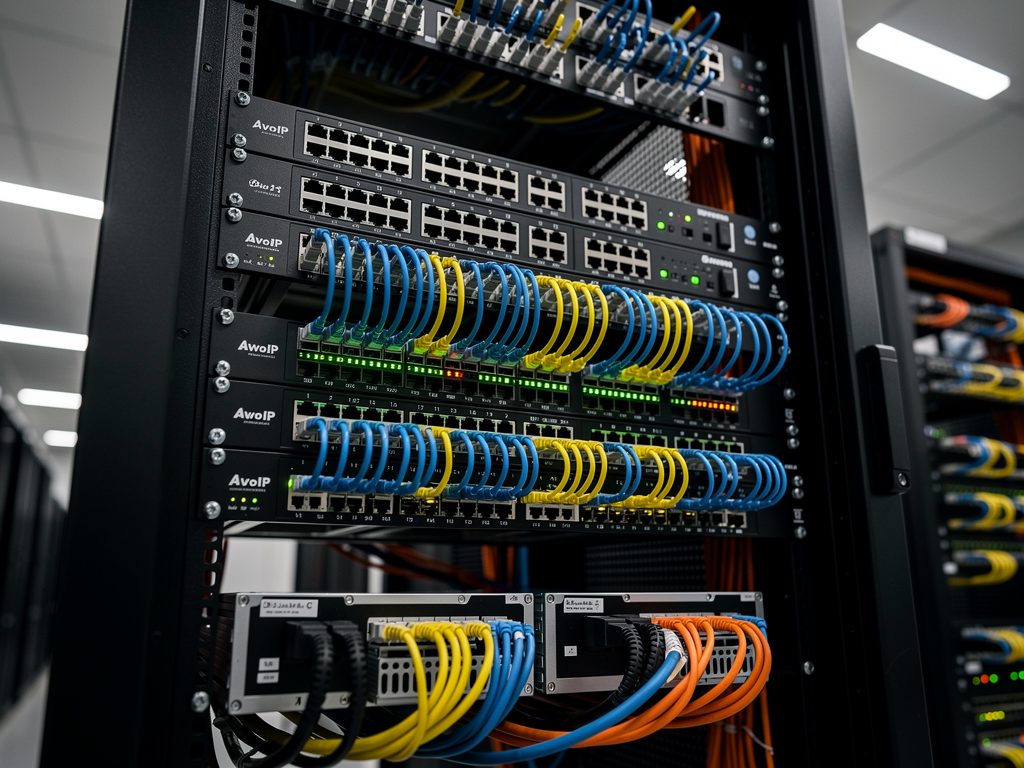
Bandwidth planning requires understanding both the technical specifications of chosen protocols and the practical requirements of production workflows. A 4K60 video stream might require anywhere from 6 Mbps using aggressive compression to over 12 Gbps for uncompressed transport. Network architects must account for all simultaneous streams, including monitoring feeds, return video, and control traffic.
Cost Comparison and Return on Investment
The financial case for AVoIP in sports broadcasting has become increasingly compelling. While initial network infrastructure investments may seem substantial, the total cost of ownership typically favors IP-based solutions over traditional approaches.
Cable infrastructure represents one of the most significant savings areas. A single Category 6A cable can carry multiple video streams in both directions, replacing dozens of individual SDI cables. Installation labor, cable management hardware, and ongoing maintenance costs all decrease proportionally.
Equipment flexibility provides additional financial benefits. AVoIP encoders and decoders from manufacturers like BZBGEAR and TiGHT AV can be repurposed as production needs evolve. A decoder used for in-arena display today might serve a remote production workflow tomorrow. This adaptability protects technology investments against changing requirements.
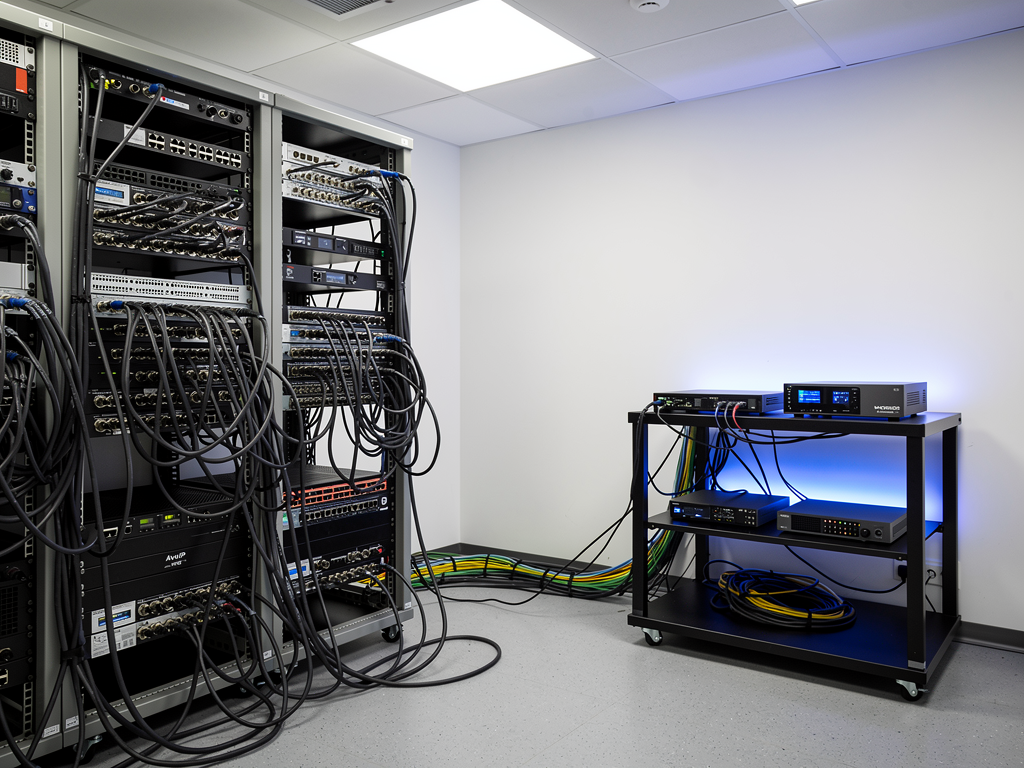
Operational savings accumulate over time through reduced setup requirements, faster troubleshooting, and simplified training. Production teams can configure signal routing through software interfaces rather than physical patch panels. Remote diagnostics allow technical support to identify and resolve issues without on-site visits.
The Future of Sports Broadcasting Technology
Looking ahead, AVoIP technology continues to evolve in ways that will further transform sports broadcasting. Higher resolution formats, including 8K video, are becoming practical through advances in compression technology and network bandwidth. Cloud-based production workflows are emerging that leverage AVoIP infrastructure to enable entirely new operational models.
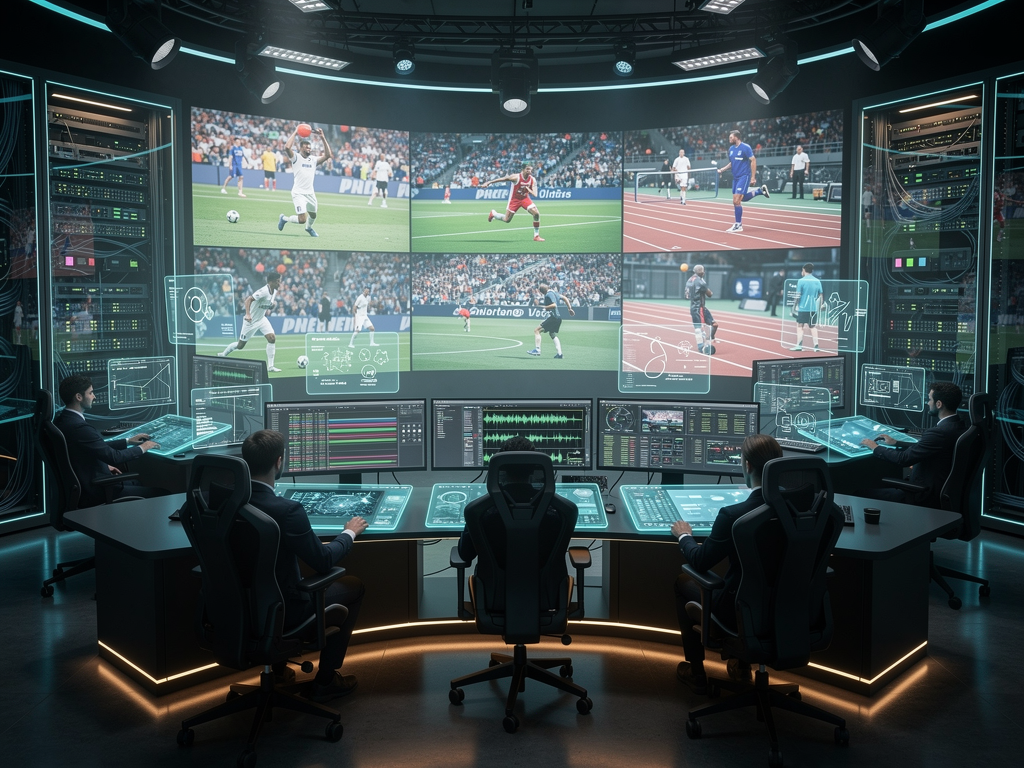
Artificial intelligence and machine learning are being integrated with AVoIP systems to automate certain production tasks. Automated camera tracking, intelligent highlight detection, and real-time graphics generation all benefit from the flexibility of IP-based infrastructure. These capabilities will make professional-quality production accessible to even more sporting events.
For organizations looking to explore AVoIP solutions for sports broadcasting, resources like automated content platforms can help communicate these technological advances to stakeholders and audiences alike.
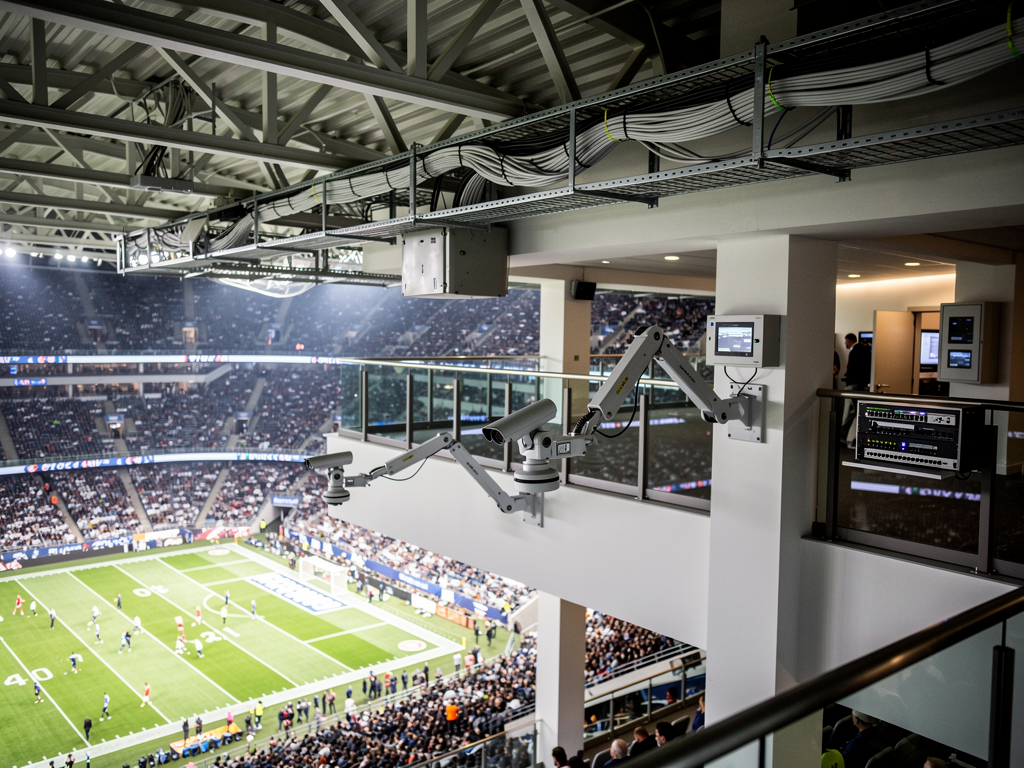
The integration of AVoIP with emerging technologies like augmented reality will create immersive viewing experiences that were previously impossible. Viewers might soon watch sporting events with real-time statistics overlaid on their screens, choose their own camera angles, or experience games from virtual positions within the venue.
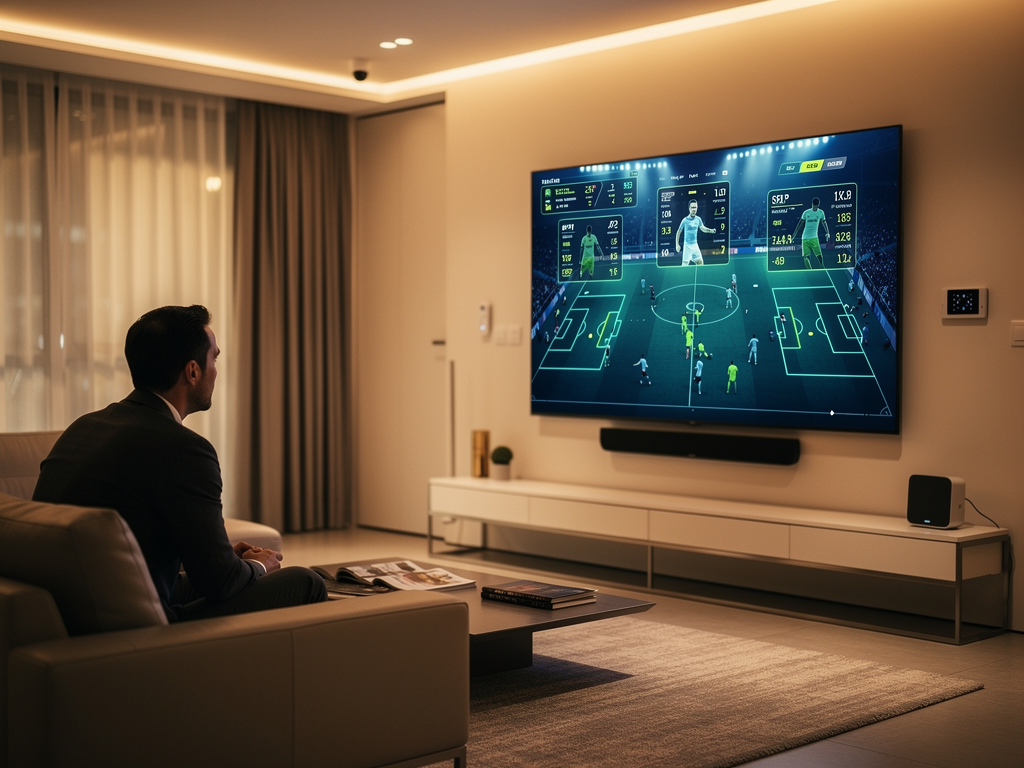
As network infrastructure continues to improve and AVoIP technology matures, the distinction between professional and amateur sports broadcasting will continue to blur. Every athletic competition, from youth leagues to professional championships, will have access to production capabilities that were once reserved for the largest broadcasters.
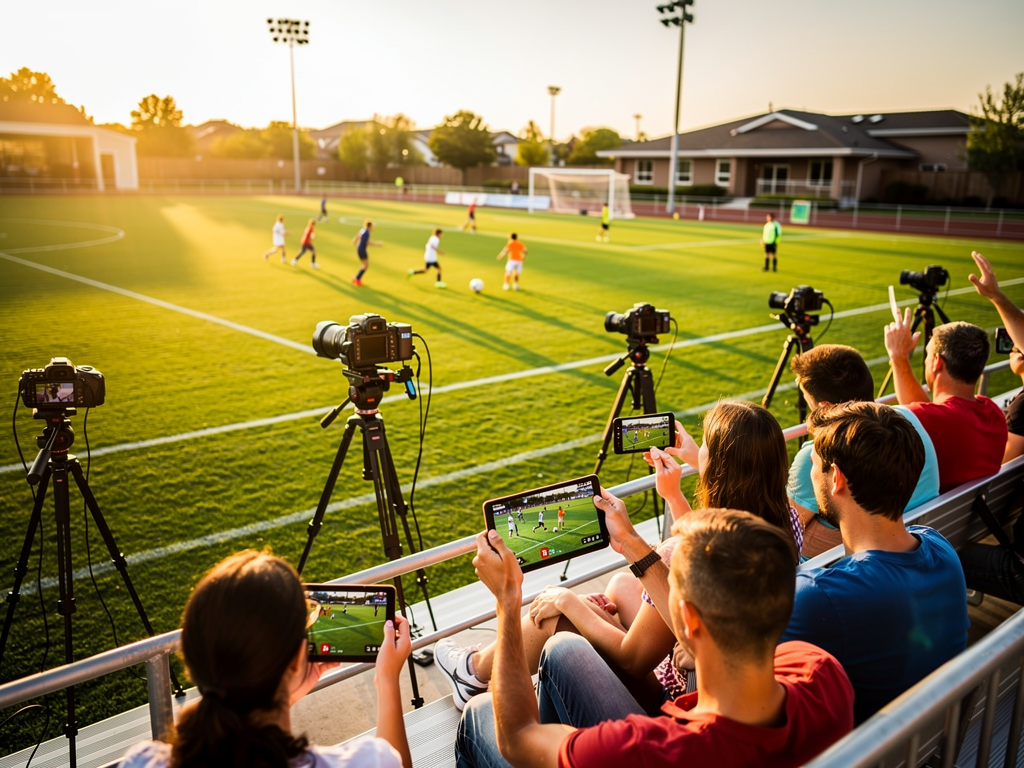
The transformation of sports broadcasting through AVoIP represents one of the most significant technological shifts in the industry's history. Organizations that embrace this technology today position themselves for success in an increasingly connected and demanding media landscape. Whether you're managing a professional sports franchise or a local athletic facility, understanding and implementing AVoIP solutions has become essential for delivering the broadcast experiences that modern audiences expect.
Comments(0)