AVoIP Latency Explained: What Milliseconds Mean for Live Events
Discover why AVoIP latency matters for live events, from corporate town halls to worship services. Learn how different systems, codecs, and network configurations impact delay and how to choose the right solution for seamless, professional productions.
AVoIP AV Directory
Decoding AVoIP Latency: What Milliseconds Mean for Live Events
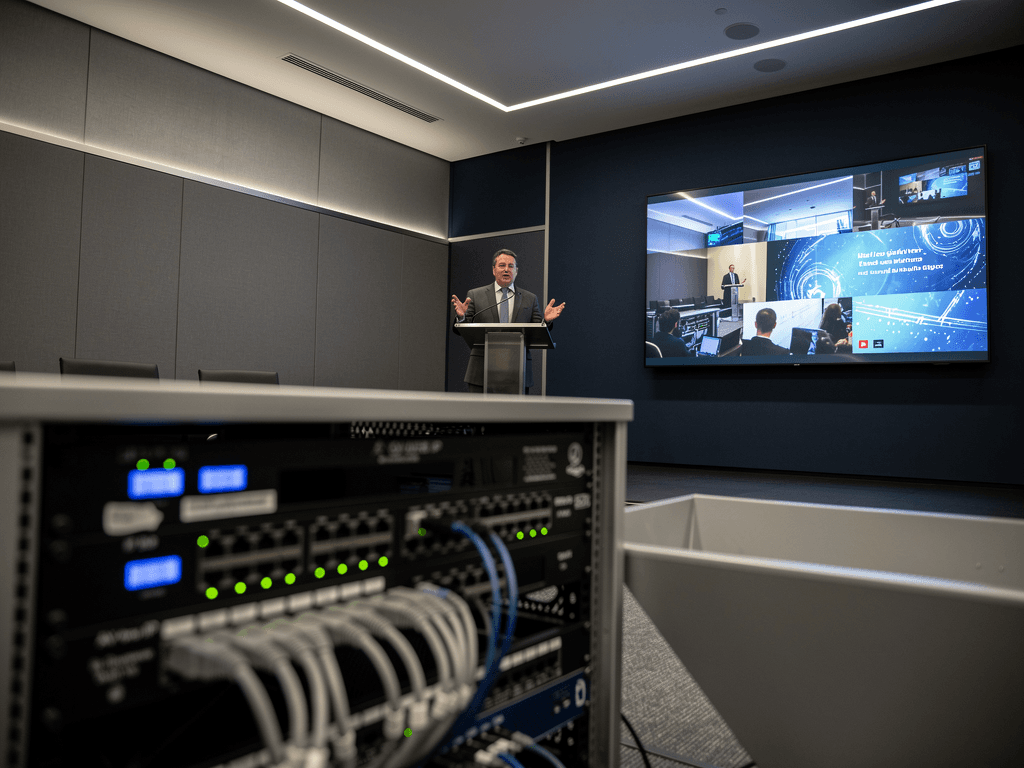
When a keynote speaker gestures toward a screen and the video lags behind their words, audiences notice immediately. That fraction of a second delay can transform a polished corporate event into an awkward technical stumble. Understanding latency in AV over IP systems has become essential knowledge for anyone involved in live event production, from corporate town halls to worship services and concert broadcasts.
Latency, measured in milliseconds, represents the time between when a video signal enters an encoder and when it appears on a display after passing through a decoder. While this sounds straightforward, the implications for live events are profound. Different applications demand different latency thresholds, and selecting the wrong AVoIP solution can undermine even the most carefully planned production.
Understanding Latency in AV over IP Systems
Every AVoIP system introduces some degree of latency as it processes, compresses, transmits, and decompresses video signals. The encoding process converts raw video into network packets, which travel across switches and cables before reaching decoders that reconstruct the original signal. Each step adds milliseconds to the total delay.
Modern AVoIP solutions typically fall into three latency categories. Ultra-low latency systems operate below 20 milliseconds, making them suitable for interactive applications where real-time response matters. Standard latency solutions range from 20 to 100 milliseconds, working well for most presentation and digital signage applications. Higher latency systems, sometimes exceeding 200 milliseconds, may suit streaming applications where synchronization with live action is less critical.
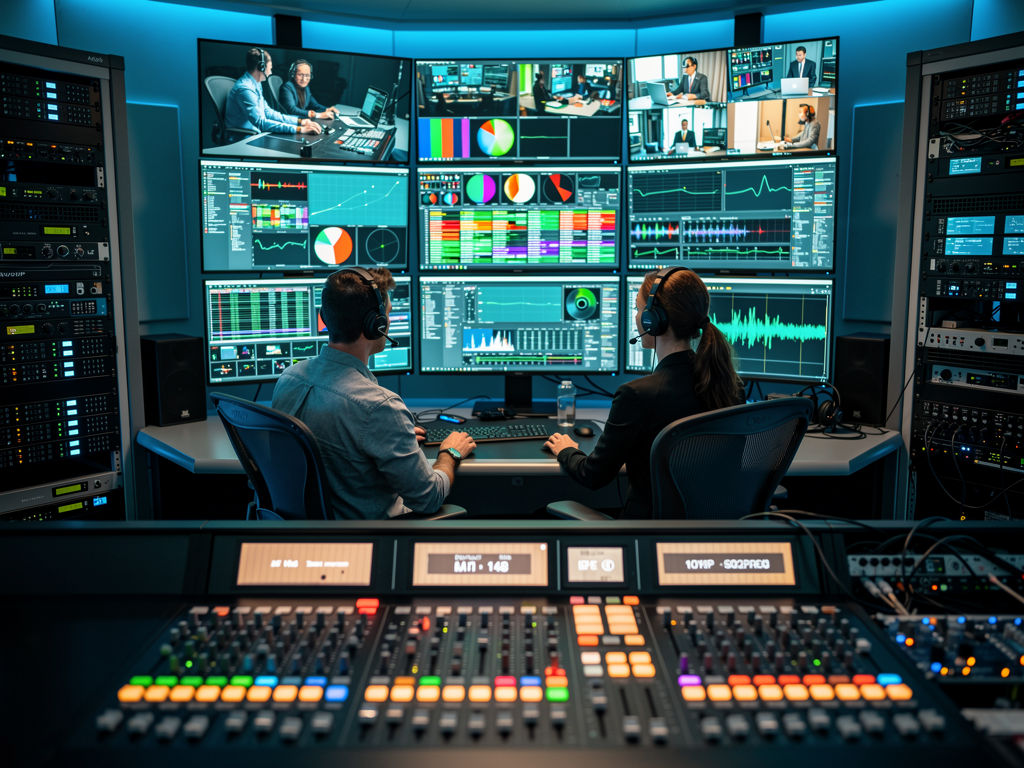
The compression codec plays a significant role in determining latency. H.264 and H.265 codecs, while efficient for bandwidth, typically introduce more delay than visually lossless codecs like JPEG2000. Manufacturers such as Visionary AV and other leading brands have developed proprietary encoding methods that balance compression efficiency with minimal delay, giving integrators options across the latency spectrum.
Why Milliseconds Matter During Live Productions
Human perception is remarkably sensitive to audio-visual synchronization. Research indicates that viewers begin noticing lip-sync errors when audio leads video by more than 45 milliseconds or lags behind by more than 125 milliseconds. For live events where presenters interact with displayed content, even smaller delays become problematic.
Consider a hybrid corporate event where an executive in the boardroom presents alongside remote participants on large LED walls. If the AVoIP system introduces 150 milliseconds of latency, the remote participants appear to react before the in-room speaker finishes their sentences. This creates a disjointed experience that undermines the professional atmosphere companies work hard to establish.
Interactive applications demand even stricter latency requirements. Touch-enabled displays, video walls responding to presenter movements, and real-time collaboration tools all suffer when delays exceed 30 to 40 milliseconds. Audiences may not consciously identify latency as the problem, but they perceive the experience as sluggish or unpolished.
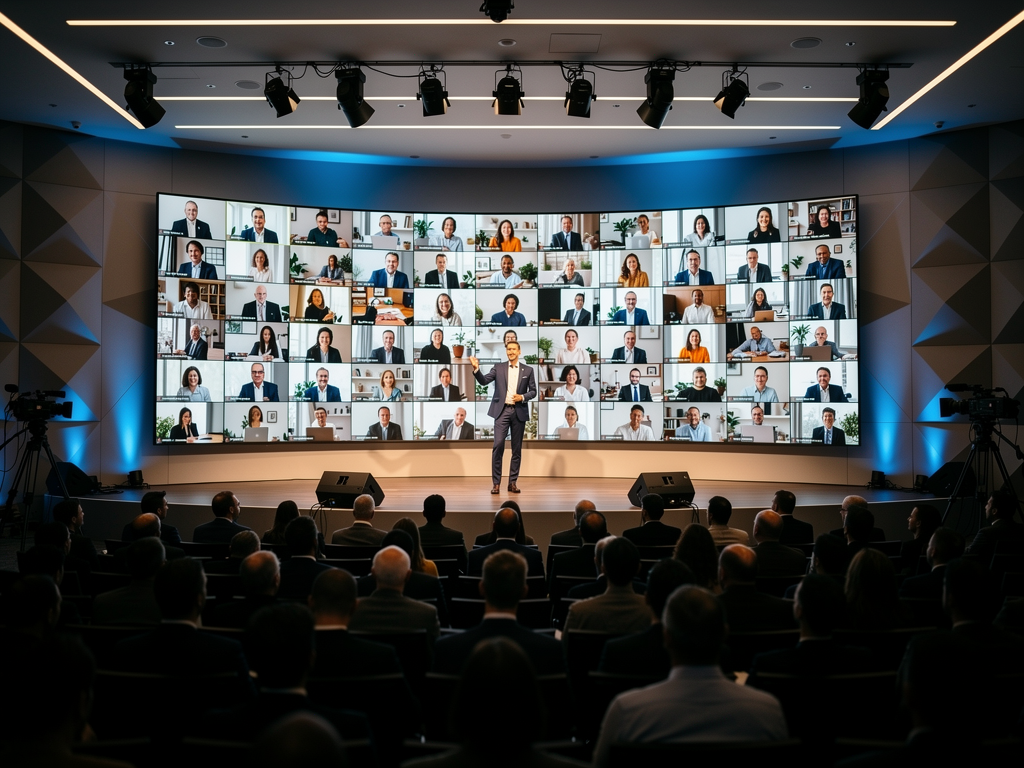
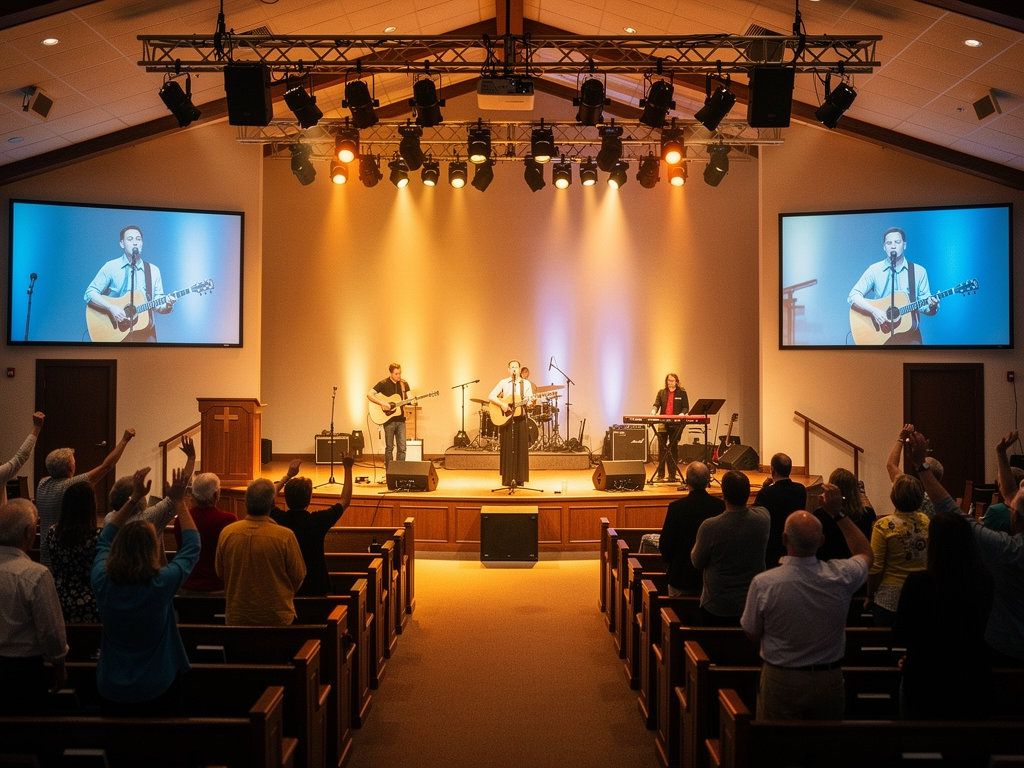
Worship environments present unique challenges because congregations expect seamless synchronization between live musicians and IMAG (image magnification) displays. When the drummer hits a cymbal and the video lags noticeably behind the audio, it distracts from the worship experience. Houses of worship increasingly rely on solutions from manufacturers like TiGHT AV and similar brands that prioritize low-latency performance for these demanding applications.
Factors That Influence AVoIP Latency
Network infrastructure significantly impacts overall system latency. Managed switches with proper IGMP snooping configuration reduce unnecessary traffic that can cause delays. Quality of Service (QoS) settings ensure video packets receive priority treatment, preventing congestion-related latency spikes during peak network usage.
The encoding and decoding hardware itself introduces processing delay. More powerful processors can compress and decompress video faster, reducing the time signals spend inside the equipment. Manufacturers like BZBGEAR and ADTECHNO have invested heavily in optimizing their chipsets for minimal processing delay while maintaining video quality.
Resolution and frame rate affect latency as well. Higher resolutions require more data processing, potentially increasing delay. Similarly, higher frame rates demand faster processing cycles. A 4K60 signal presents more latency challenges than a 1080p30 signal, all else being equal.
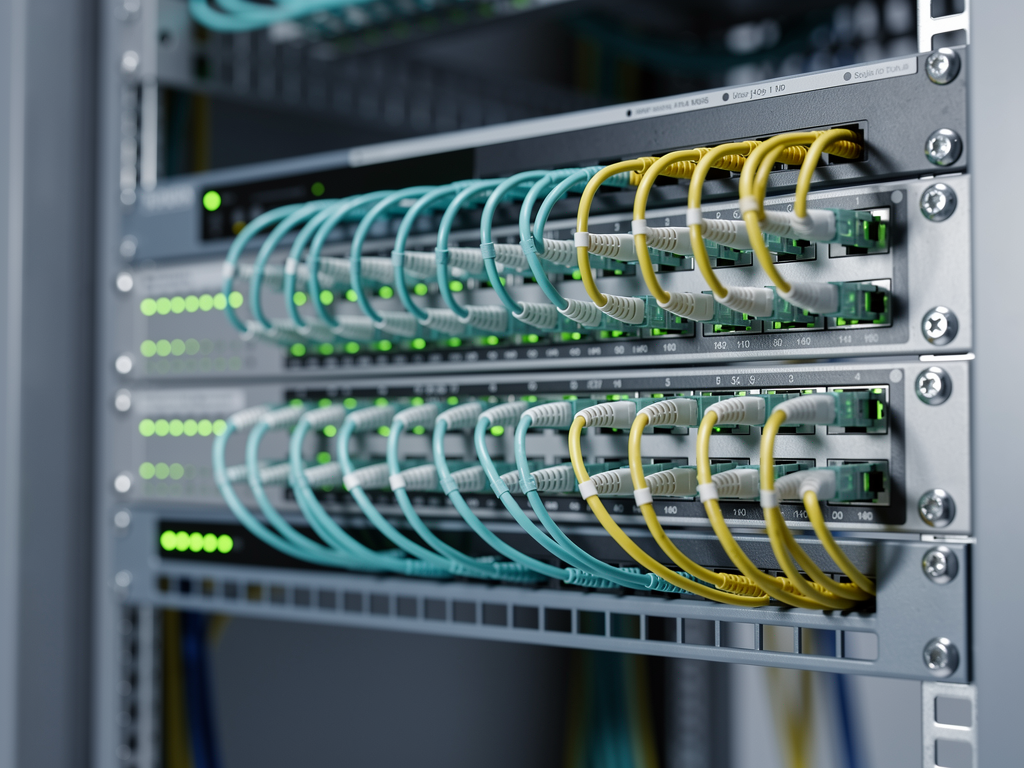
Buffer settings represent a trade-off between latency and reliability. Larger buffers protect against packet loss and network jitter but add delay. Smaller buffers reduce latency but may cause visual artifacts if network conditions fluctuate. Experienced integrators tune these settings based on the specific network environment and application requirements.
Selecting the Right AVoIP Protocol for Your Event Type
Different AVoIP protocols offer varying latency characteristics. NDI (Network Device Interface) provides excellent performance for software-based workflows, with latency typically ranging from one to three frames depending on implementation. SDVoE (Software Defined Video over Ethernet) delivers sub-frame latency, making it ideal for applications demanding the most responsive performance.
Dante AV integrates audio and video transport with latency options configurable down to a few milliseconds for audio, though video latency varies by implementation. IPMX, the emerging standard based on SMPTE ST 2110, offers broadcast-grade performance with latency suitable for live production environments.
Manufacturers approach these protocols differently. Craltech and Netvio have developed product lines supporting multiple protocols, allowing integrators to select the best option for each application. This flexibility proves valuable when a single venue hosts diverse events with varying latency requirements.

For live concerts and theatrical productions, sub-20-millisecond latency is often mandatory. Corporate presentations may tolerate 50 to 80 milliseconds without noticeable impact. Digital signage applications, where content is not synchronized with live action, can work effectively with latency exceeding 100 milliseconds while benefiting from the bandwidth efficiency of higher compression.
Best Practices for Minimizing Latency in Live Event Deployments
Successful low-latency deployments begin with network design. Dedicated VLANs for AV traffic isolate video streams from general network congestion. Jumbo frames, when supported throughout the signal path, reduce processing overhead by transmitting larger packets. Proper spanning tree configuration prevents network loops that cause unpredictable delays.
Encoder and decoder placement matters more than many integrators realize. Minimizing the number of network hops between source and destination reduces cumulative switch latency. Placing encoders near sources and decoders near displays, rather than centralizing all equipment in a single rack, can shave milliseconds from the total delay.
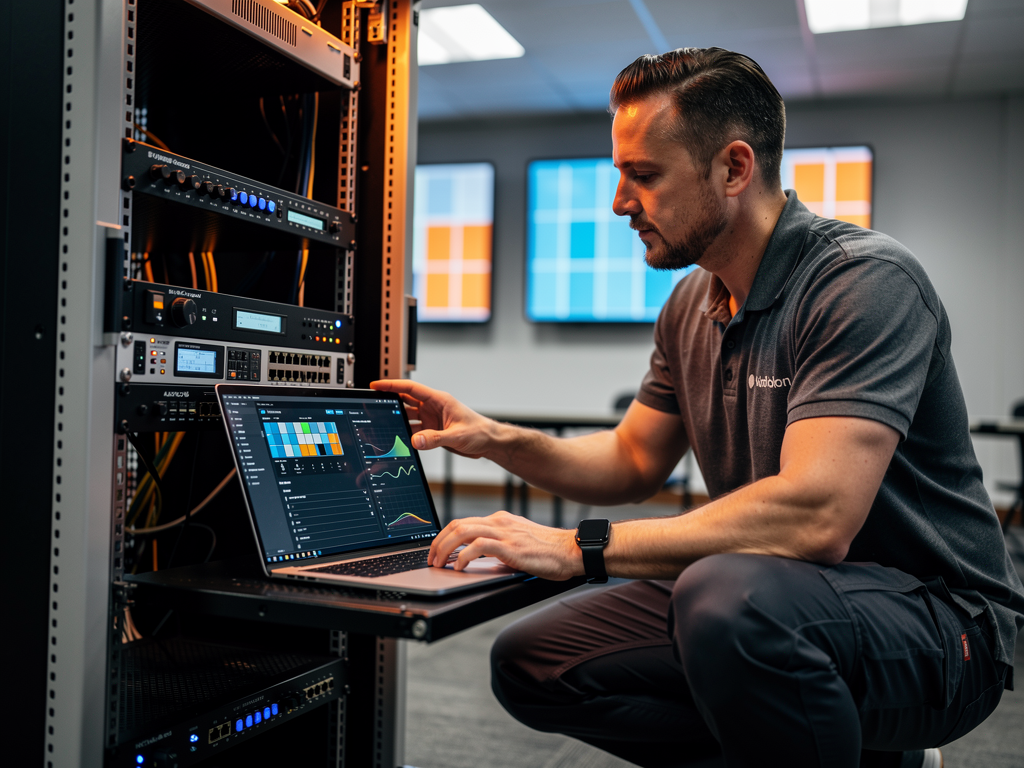
Pre-event testing should include latency measurement using specialized tools or even simple smartphone slow-motion video comparing source and destination displays. Documenting baseline latency for each signal path helps identify problems during events when something feels "off" but the cause is not immediately apparent.
Consider implementing redundant signal paths for critical feeds. If the primary path experiences congestion, automatic failover to a secondary route maintains signal integrity. Solutions from manufacturers like Visionary AV often include built-in redundancy features that protect against both equipment failure and network issues.
Real-World Applications and Success Stories
A major financial services firm recently upgraded their global town hall capabilities using AVoIP technology with sub-30-millisecond latency. Previously, their legacy matrix switching system limited them to a single auditorium. Now, they distribute executive presentations to conference rooms across three continents with synchronization tight enough that remote audiences feel genuinely connected to the live event.
A performing arts center replaced their aging SDI infrastructure with an AVoIP system capable of handling 4K60 content at under 20 milliseconds latency. The production team now routes any source to any display without the physical limitations of traditional matrix switching, while maintaining the real-time performance their live productions demand.
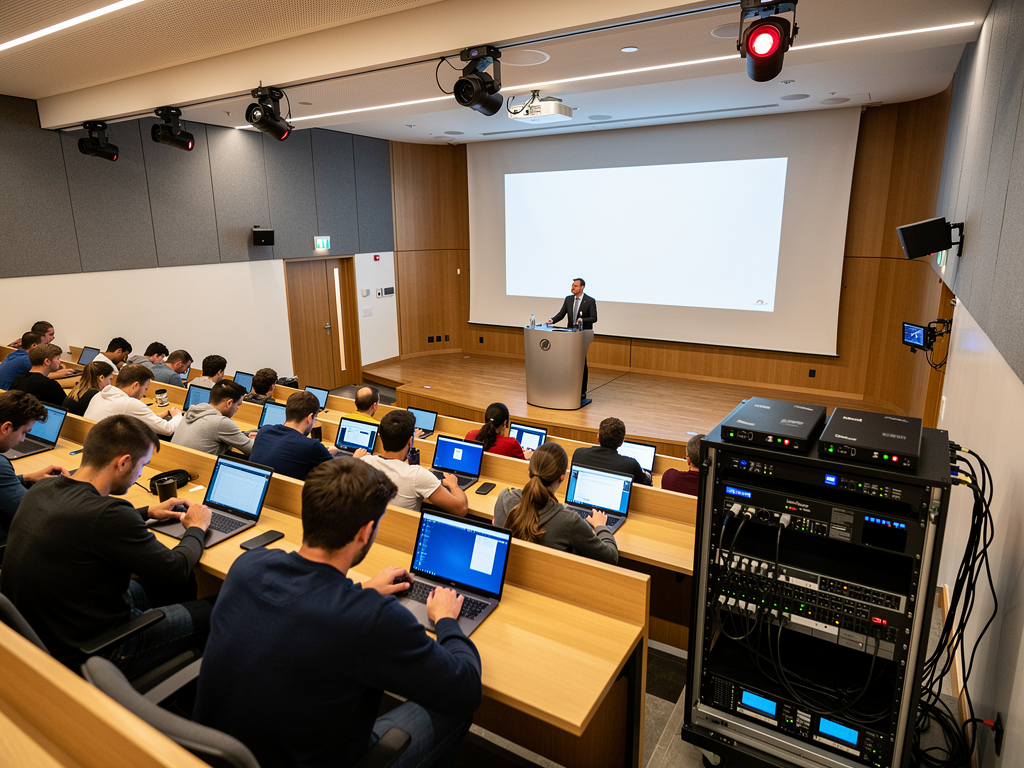
Educational institutions have embraced AVoIP for lecture capture and overflow rooms. One university deployed encoders in 200 classrooms, allowing students to watch lectures in real-time from alternate locations when primary rooms reach capacity. The 40-millisecond latency is imperceptible to students taking notes and asking questions.
Cost Considerations and Return on Investment
Lower latency typically correlates with higher equipment costs. Ultra-low latency solutions require more powerful processing hardware and often use less efficient compression, demanding greater network bandwidth. Organizations must balance their latency requirements against budget constraints and infrastructure capabilities.
However, the cost of latency-related failures during high-profile events can far exceed the premium for better equipment. A botched product launch or awkward executive presentation damages brand perception in ways that are difficult to quantify but very real. Investing in appropriate latency performance for the application represents risk mitigation as much as technical specification.
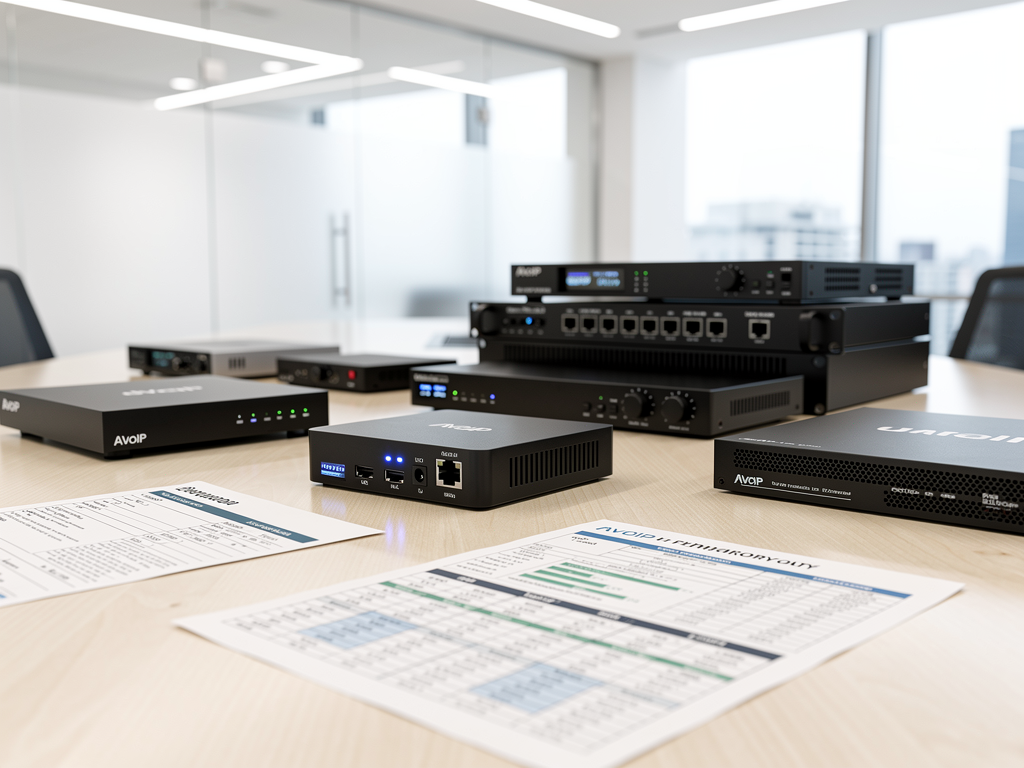
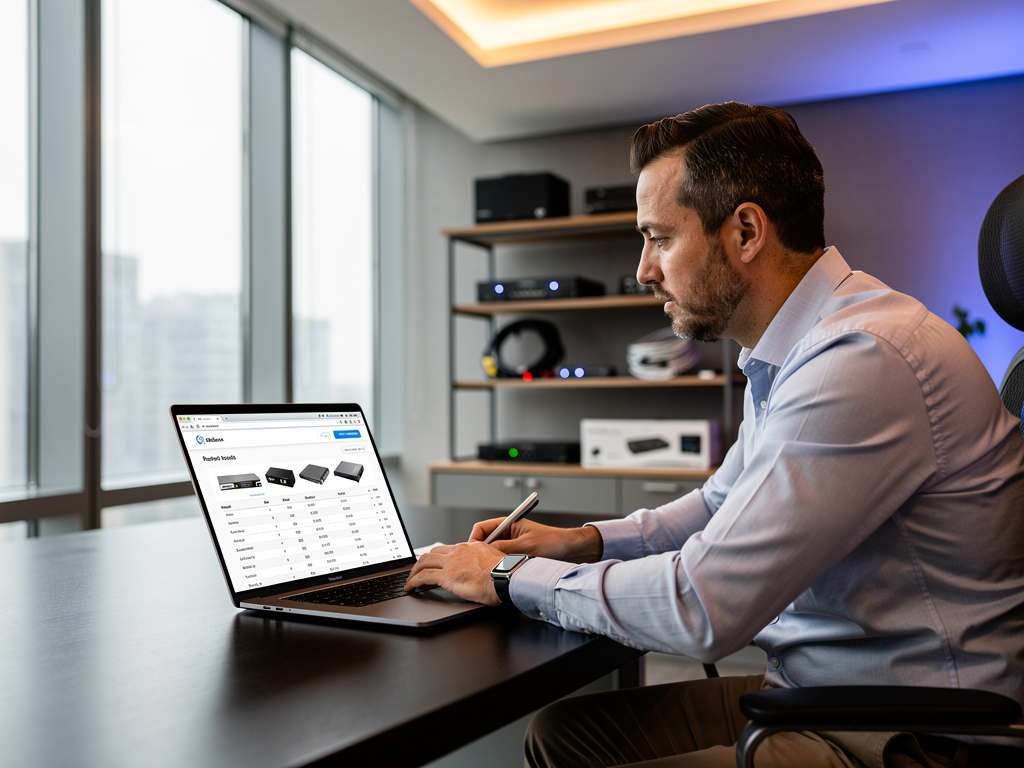
The AVoIP Solutions Directory at avoip.av-directory.com provides comprehensive specifications for hundreds of encoders, decoders, and related products. Filtering by latency requirements helps integrators identify solutions that meet their performance needs without overspending on capabilities they do not require.
Looking Ahead: The Future of Low-Latency AVoIP
Advances in compression technology and processing power continue pushing latency lower. Emerging codecs promise broadcast-quality video with sub-frame delay, while new network protocols reduce the overhead that contributes to transmission latency. The gap between AVoIP performance and traditional baseband video continues narrowing.
As 8K content becomes more common and higher frame rates gain adoption, maintaining low latency will require ongoing innovation. Manufacturers committed to live event applications, including TiGHT AV, BZBGEAR, and their peers, continue investing in research and development to meet these evolving demands.
For professionals planning live events today, understanding latency requirements and selecting appropriate AVoIP solutions ensures audiences experience seamless, professional productions. Those milliseconds matter more than many realize, and getting them right separates memorable events from forgettable ones.
Comments(0)